Overview
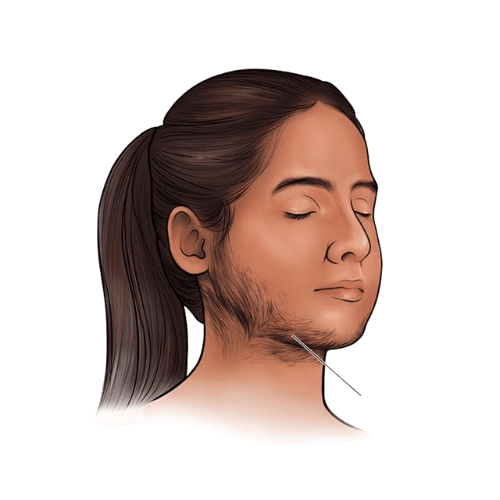
Hirsutism is a medical condition characterized by excessive, coarse, dark hair growth in women in areas where hair is typically minimal or absent, such as the face, chest, back, abdomen, and inner thighs. This pattern of hair growth is usually driven by increased androgen levels or heightened sensitivity of hair follicles to androgens, which are male hormones present in both men and women.
While hirsutism itself is not life-threatening, it can significantly affect a woman’s self-esteem, mental health, and overall quality of life. The condition may be idiopathic (with no identifiable cause) or associated with underlying disorders such as polycystic ovary syndrome (PCOS), adrenal gland disorders, thyroid imbalance, or certain medications.
Effective management of hirsutism requires a thorough clinical evaluation to identify the root cause, followed by a personalized treatment plan. Treatment may include medical therapy to control hormone levels, cosmetic or procedural hair removal methods, and long-term follow-up to ensure sustained improvement and emotional well-being.
Understanding Hirsutism
What the condition really means
Hirsutism refers specifically to excessive terminal hair growth in androgen-dependent areas of a woman’s body. It is important to distinguish hirsutism from generalized hypertrichosis, which involves excessive hair growth unrelated to hormones. Clinically, hirsutism is often assessed using standardized scoring systems and correlated with hormonal evaluations to understand its severity and cause. Recognizing hirsutism as a medical condition rather than a cosmetic issue is essential for proper diagnosis and compassionate care.
- Hormonal influence: Androgens play a central role in stimulating hair follicles to produce thick, pigmented hair in typically male-pattern areas.
- Common presentation: Excess hair may appear on the upper lip, chin, sideburns, chest, lower abdomen, and back.
- Emotional impact: Many patients experience anxiety, embarrassment, or social withdrawal due to visible hair growth.
- Medical relevance: Hirsutism can be an external sign of internal hormonal imbalance requiring evaluation.
Causes and Risk Factors
Why hirsutism develops
The causes of hirsutism range from common endocrine disorders to rare hormonal conditions. Polycystic ovary syndrome is the most frequent cause, but adrenal disorders, ovarian tumors, thyroid dysfunction, and certain medications can also contribute. In some women, no clear cause is identified, and this is termed idiopathic hirsutism. A detailed medical history and targeted investigations help in identifying contributing factors and guiding treatment.
- Polycystic ovary syndrome (PCOS): A common endocrine disorder associated with irregular periods, acne, and elevated androgen levels.
- Adrenal gland disorders: Conditions such as congenital adrenal hyperplasia can increase androgen production.
- Medications: Drugs like anabolic steroids or certain hormonal therapies may worsen hair growth.
- Genetic predisposition: Family history and ethnic background can influence hair growth patterns.
Diagnosis and Evaluation
Getting to the root cause
Diagnosing hirsutism involves more than visual assessment. Clinicians perform a comprehensive evaluation including menstrual history, onset and progression of hair growth, and associated symptoms such as weight gain or acne. Laboratory tests may assess androgen levels, thyroid function, and other relevant hormones. Imaging studies are reserved for cases where tumors or structural abnormalities are suspected.
- Clinical scoring: Standardized scoring systems help quantify hair growth severity objectively.
- Blood tests: Hormonal assays identify androgen excess or other endocrine abnormalities.
- Imaging studies: Ultrasound or other imaging may be used when ovarian or adrenal pathology is suspected.
- Individualized assessment: Each evaluation is tailored to the patient’s symptoms and clinical findings.
Treatment Options
Medical and supportive management
Treatment of hirsutism focuses on addressing the underlying cause, reducing androgen effects, and managing unwanted hair growth. Medical therapy may include hormonal regulation, while cosmetic and procedural options help manage visible hair. Treatment plans are individualized, and patients are counseled that improvement is gradual and requires consistency and follow-up.
- Hormonal therapy: Medications may be prescribed to suppress androgen production or block its effects.
- Hair removal methods: Laser therapy, electrolysis, and other techniques can provide cosmetic improvement.
- Lifestyle modification: Weight management and healthy habits can improve hormonal balance, especially in PCOS.
- Long-term follow-up: Regular monitoring ensures effectiveness and allows adjustment of therapy.
Why Choose CureU Healthcare
CureU Healthcare offers a comprehensive, patient-centered approach to the diagnosis and management of hirsutism. Our care model emphasizes accurate diagnosis, evidence-based treatment, and empathetic support. We understand that hirsutism affects both physical appearance and emotional health, and our multidisciplinary team works collaboratively to deliver holistic care. From advanced diagnostic facilities to personalized treatment plans and ongoing counseling, CureU Healthcare is committed to helping patients regain confidence and long-term well-being.
- Expert clinicians: Our specialists are experienced in managing complex hormonal and endocrine-related conditions.
- Personalized care: Each treatment plan is tailored to the patient’s medical needs and personal concerns.
- Advanced diagnostics: We use reliable, up-to-date diagnostic tools to identify underlying causes accurately.
- Compassionate support: Emotional well-being and patient education are integral parts of our care philosophy.
Conclusion
Hirsutism is a manageable medical condition when approached with accurate diagnosis, appropriate treatment, and empathetic care. While the visible symptoms can be distressing, understanding the underlying cause empowers patients and clinicians to work together toward effective, long-term solutions. With a combination of medical management, supportive therapies, and consistent follow-up, most women experience meaningful improvement in both physical symptoms and quality of life. At CureU Healthcare, we are dedicated to providing expert guidance, compassionate care, and sustained support throughout every stage of treatment, helping patients move forward with confidence and reassurance.

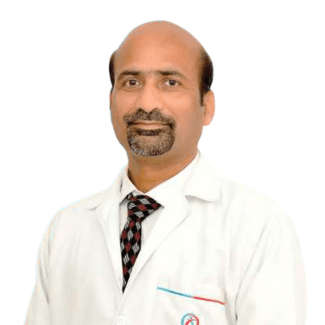
B.U.M.S, M.D. (NAT) | Reg No. 9153 | Ex. Secretary & Treasurer, N.I.M.A.
Qualified healthcare professional in Unani and Naturopathic medicine with deep expertise in traditional healthcare systems, patient-centered clinical care, and medical content review.