Overview
Anal Sphincteroplasty is a specialized reconstructive surgical procedure performed to repair and restore the function of damaged or weakened anal sphincter muscles.
These muscles play a critical role in maintaining bowel continence, and damage can result from childbirth trauma, previous anorectal surgeries, injuries, or long-standing sphincter degeneration.
The primary aim of this procedure is to improve continence, reduce accidental stool leakage, and significantly enhance a patient’s quality of life.
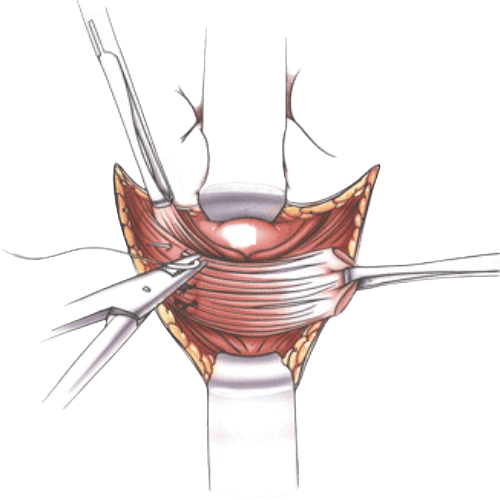
During the surgery, the damaged ends of the sphincter muscles are carefully identified, mobilized, and overlapped or sutured together to recreate a functional muscular ring.
Anal Sphincteroplasty is usually recommended when conservative treatments such as pelvic floor exercises, medications, or biofeedback have failed to provide adequate relief.
With proper patient selection, meticulous surgical technique, and structured postoperative rehabilitation, the procedure can offer durable improvement in continence and daily comfort.
Understanding Anal Sphincter Damage
Why bowel control is affected
The anal sphincter consists of complex muscle layers that work together to maintain continence. When these muscles are disrupted or weakened, the ability to voluntarily control bowel movements is compromised. Damage most commonly occurs due to obstetric injuries, especially complicated vaginal deliveries, but can also result from anorectal surgeries, trauma, infections, or neurological conditions. Patients may experience urgency, leakage, or complete loss of bowel control, which can deeply affect physical comfort, emotional well-being, and social confidence. A thorough clinical evaluation helps determine whether surgical repair is the most appropriate option.
- Obstetric injury: Tears during childbirth can disrupt sphincter continuity, especially after forceps delivery or prolonged labor.
- Surgical trauma: Previous procedures on the anus or rectum may inadvertently damage sphincter muscles.
- Accidental injury: Pelvic or perineal trauma from accidents can compromise sphincter integrity.
- Degenerative changes: Age-related muscle weakening or chronic strain may worsen continence over time.
The Anal Sphincteroplasty Procedure
How the repair is performed
Anal Sphincteroplasty is performed under anesthesia with careful attention to anatomical detail. The surgeon exposes the damaged sphincter ends, mobilizes them, and reconstructs the muscle ring using precise suturing techniques. The goal is to restore muscle strength and coordination without excessive tension. The procedure may be combined with pelvic floor reconstruction when required. Surgical planning is individualized, based on the extent of muscle damage and the patient’s overall health status.
- Identification of damaged sphincter muscle ends through careful dissection.
- Mobilization of muscle tissue to allow tension-free reconstruction.
- Overlapping or end-to-end suturing to recreate sphincter continuity.
- Meticulous wound closure to promote healing and reduce infection risk.
Recovery and Rehabilitation
Healing and functional improvement
Recovery after Anal Sphincteroplasty is gradual and requires patience. Initial healing focuses on wound care and pain control, while long-term success depends on pelvic floor rehabilitation. Patients are guided on bowel management strategies to avoid strain and protect the repair. Pelvic floor physiotherapy plays a crucial role in strengthening the repaired muscles and improving coordination. Most patients notice progressive improvement over several months.
- Hospital stay: Typically short, with close monitoring for pain control and wound healing.
- Bowel regulation: Dietary adjustments and medications help maintain soft, regular stools.
- Physiotherapy: Targeted exercises enhance muscle strength and continence control.
- Follow-up care: Regular assessments ensure healing is on track and address concerns early.
Why Choose CureU Healthcare
Expert care with a patient-first approach
CureU Healthcare is committed to delivering advanced surgical care with compassion, precision, and transparency. Our multidisciplinary team carefully evaluates each patient to ensure Anal Sphincteroplasty is truly indicated and likely to provide meaningful benefit. From preoperative counseling to postoperative rehabilitation, care is structured around patient comfort, dignity, and long-term functional outcomes. We emphasize clear communication, realistic expectations, and evidence-based practices at every step.
- Experienced specialists: Surgeons skilled in reconstructive pelvic and anorectal procedures.
- Personalized treatment planning: Care tailored to individual anatomy, symptoms, and lifestyle needs.
- Comprehensive rehabilitation support: Integrated physiotherapy and follow-up for sustained results.
- Patient-centered philosophy: Focus on quality of life, confidence, and long-term well-being.
Conclusion
Anal Sphincteroplasty is a valuable surgical option for patients suffering from fecal incontinence due to sphincter damage. When conservative therapies fail, this reconstructive procedure can restore muscle continuity, improve bowel control, and significantly enhance daily functioning and self-confidence. Success depends on accurate diagnosis, skilled surgical execution, and committed postoperative rehabilitation. With expert care and appropriate patient selection, Anal Sphincteroplasty offers meaningful, lasting improvement and a renewed sense of control and dignity.

B.U.M.S, M.D. (NAT) | Reg No. 9153 | Ex. Secretary & Treasurer, N.I.M.A.
Qualified healthcare professional in Unani and Naturopathic medicine with deep expertise in traditional healthcare systems, patient-centered clinical care, and medical content review.