
Overview
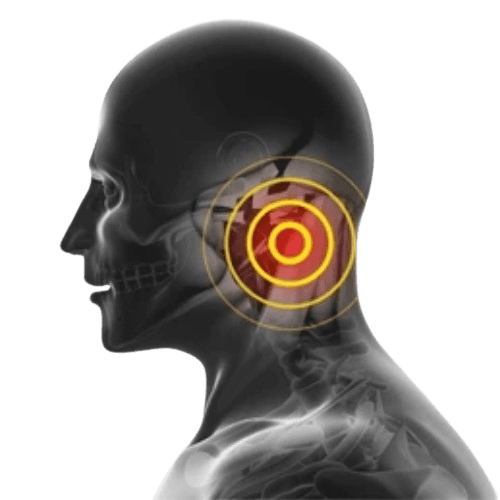
Mastoidectomy is a specialized ENT surgical procedure performed to remove infected or diseased mastoid air cells located in the mastoid bone behind the ear.
This surgery is commonly recommended for patients with chronic ear infections, cholesteatoma, or complications of middle ear disease that do not respond to medical treatment.
The mastoid bone contains honeycomb-like air cells that connect to the middle ear, and infection in these spaces can spread to the brain or facial nerve if untreated.
The primary goals of mastoidectomy are to eliminate infection, prevent life-threatening complications, preserve hearing function, and restore healthy ear anatomy.
What is Mastoidectomy?
Understanding the surgical concept
Mastoidectomy is a surgical procedure that involves removing diseased mastoid air cells from the mastoid bone. These air cells can become infected due to chronic otitis media or cholesteatoma, leading to persistent ear discharge, hearing loss, and risk of serious complications. The procedure is performed by an ENT surgeon under general anesthesia using microscopic or endoscopic techniques to ensure precision and safety.
- Simple Mastoidectomy: Removal of infected mastoid air cells while preserving the ear canal and middle ear structures.
- Canal Wall Up Mastoidectomy: Preserves the ear canal wall, maintaining normal ear anatomy and reducing long-term cavity issues.
- Canal Wall Down Mastoidectomy: Involves removal of the ear canal wall for extensive disease, creating an open cavity for disease control.
- Modified Radical Mastoidectomy: A tailored approach balancing disease clearance with hearing preservation when possible.
Indications and Symptoms Requiring Mastoidectomy
When surgery becomes necessary
Mastoidectomy is recommended when chronic ear infections persist despite medication, or when complications arise. Delaying treatment can lead to serious neurological or facial nerve complications. ENT specialists evaluate imaging and hearing tests before recommending surgery.
- Chronic Ear Discharge: Persistent pus-like discharge from the ear despite antibiotic therapy.
- Cholesteatoma: Abnormal skin growth in the middle ear that destroys bone and spreads infection.
- Hearing Loss: Conductive hearing loss due to damage in the middle ear structures.
- Complications of Otitis Media: Risk of brain abscess, meningitis, or facial nerve paralysis if untreated.
Procedure and Recovery Process
Step-by-step surgical journey
Mastoidectomy is performed under general anesthesia and typically takes 2 to 4 hours depending on disease severity. The surgeon accesses the mastoid bone through an incision behind the ear and carefully removes infected tissue using precision instruments. Post-surgery, the ear is packed, and antibiotics and pain management are prescribed. Recovery usually takes a few weeks, with gradual improvement in symptoms and hearing stabilization.
- Preoperative Evaluation: Includes CT scan, audiometry, and clinical ENT assessment.
- Surgical Technique: Microscopic drilling of mastoid air cells to remove infection while preserving critical structures.
- Hospital Stay: Most patients are discharged within 1–3 days depending on complexity.
- Follow-up Care: Regular ENT visits for ear cleaning, hearing assessment, and monitoring healing progress.
Why Choose CureU Healthcare
Patient-centered ENT surgical excellence
CureU Healthcare provides advanced ENT surgical care with a strong focus on patient safety, precision, and long-term outcomes. Our ENT surgeons are highly trained in microscopic and endoscopic ear surgery, ensuring minimal tissue damage and optimal hearing preservation. We emphasize personalized treatment planning, transparent communication, and comprehensive postoperative care. Patients benefit from modern operation theaters, high-resolution imaging, and multidisciplinary support, ensuring both medical excellence and compassionate care throughout their treatment journey.
- Expert ENT Surgeons: Highly experienced specialists trained in advanced mastoid and ear surgeries.
- Modern Surgical Technology: Use of high-definition microscopes and minimally invasive techniques.
- Comprehensive Postoperative Care: Structured follow-up, hearing rehabilitation, and infection monitoring.
- Patient-Centered Approach: Individualized treatment plans, clear guidance, and emotional support for patients and families.
Conclusion
Mastoidectomy is a critical surgical intervention for chronic and complicated ear infections that fail medical therapy. When performed by experienced ENT specialists, it effectively removes disease, prevents dangerous complications, and helps preserve or improve hearing. Early diagnosis and timely surgical management significantly improve outcomes and reduce the risk of life-threatening conditions such as meningitis or brain abscess. With expert surgical care, modern technology, and structured postoperative follow-up, mastoidectomy can restore ear health and quality of life for patients suffering from chronic ear disease.

B.U.M.S, M.D. (NAT) | Reg No. 9153 | Ex. Secretary & Treasurer, N.I.M.A.
Qualified healthcare professional in Unani and Naturopathic medicine with deep expertise in traditional healthcare systems, patient-centered clinical care, and medical content review.