Overview
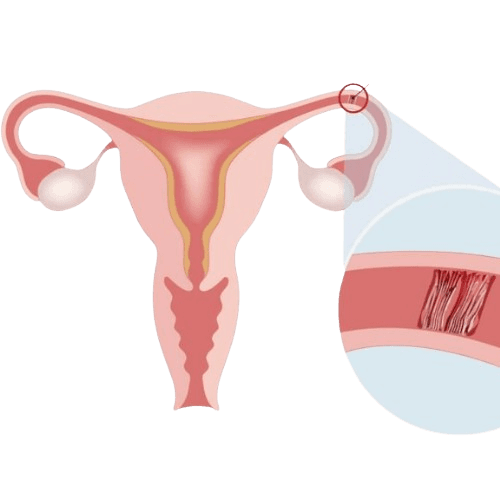
A Blocked Fallopian Tube is a medical condition where one or both fallopian tubes are partially or completely obstructed, preventing the egg and sperm from meeting naturally.
Fallopian tubes play a critical role in natural conception, as fertilization typically occurs within these tubes. When a blockage exists, it can significantly reduce the chances of pregnancy or lead to complications such as ectopic pregnancy.
This condition is often silent, meaning many women experience no obvious symptoms until they face difficulty conceiving. Causes may include pelvic inflammatory disease, previous abdominal or pelvic surgery, endometriosis, tuberculosis, or sexually transmitted infections.
Modern diagnostic techniques and minimally invasive treatments now allow accurate identification and effective management of blocked fallopian tubes, helping many women regain their fertility and reproductive confidence.
Understanding Blocked Fallopian Tube
What it means for fertility
Blocked fallopian tubes disrupt the natural pathway required for fertilization. Depending on whether the blockage is unilateral or bilateral, fertility impact can vary significantly. Early understanding of this condition empowers patients to make informed decisions about treatment options, timelines, and expectations under professional guidance.
- Role of fallopian tubes: They transport the egg from the ovary to the uterus and serve as the site of natural fertilization, making them essential for conception.
- Types of blockage: Blockages can be proximal, distal, or complete, and may affect one or both tubes, influencing treatment approach.
- Silent nature: Most women do not experience pain or discomfort, and infertility is often the first sign prompting evaluation.
- Fertility implications: A blocked tube can reduce pregnancy chances and increase the risk of ectopic pregnancy if partially open.
Causes and Risk Factors
Why blockages occur
Several medical and lifestyle-related factors can lead to tubal blockage. Identifying the underlying cause is crucial, as it directly influences treatment success and future fertility outcomes.
- Pelvic inflammatory disease: Infections can cause inflammation and scarring within the tubes, leading to partial or complete obstruction.
- Previous surgeries: Pelvic or abdominal surgeries may result in adhesions that compress or block the fallopian tubes.
- Endometriosis: Endometrial tissue growth around the tubes can distort anatomy and impair tubal function.
- Genital tuberculosis: A significant cause in certain regions, TB can severely damage the reproductive tract if untreated.
Diagnosis and Treatment Options
Modern medical approach
Accurate diagnosis followed by individualized treatment planning is the cornerstone of managing blocked fallopian tubes. Advances in imaging and minimally invasive surgery have improved outcomes and reduced recovery time.
- Hysterosalpingography (HSG): An X-ray test using contrast dye to assess tubal patency and uterine structure.
- Laparoscopy: A minimally invasive surgical procedure that allows direct visualization and possible correction of tubal blockages.
- Tubal surgery: Selected cases benefit from surgical removal of adhesions or reconstruction of the tubes.
- Assisted reproductive techniques: When surgery is not feasible, IVF offers an effective alternative by bypassing the fallopian tubes entirely.
Why Choose CureU Healthcare
CureU Healthcare is committed to delivering evidence-based, compassionate fertility care tailored to each patient’s unique medical and emotional needs. Our multidisciplinary team combines clinical expertise with advanced technology to ensure accurate diagnosis, transparent counseling, and personalized treatment planning. Patients benefit from a supportive environment where concerns are heard, options are clearly explained, and care decisions are made collaboratively. From initial consultation to post-treatment follow-up, CureU Healthcare prioritizes safety, success rates, and patient confidence, ensuring that every individual feels informed, respected, and supported throughout their fertility journey.
- Expert-led care: Highly trained specialists with extensive experience in diagnosing and managing complex fertility conditions.
- Advanced diagnostics: State-of-the-art imaging and minimally invasive techniques for precise and timely diagnosis.
- Personalized treatment plans: Each patient receives a tailored approach based on medical history, fertility goals, and overall health.
- Holistic patient support: Emotional counseling, clear communication, and continuous guidance throughout the treatment process.
Conclusion
Blocked fallopian tubes can feel overwhelming, especially for individuals trying to conceive, but modern medicine offers multiple effective solutions. With timely diagnosis, expert evaluation, and the right treatment strategy, many women achieve successful pregnancies or move forward confidently with assisted reproductive options. At CureU Healthcare, the focus extends beyond treatment alone, emphasizing education, emotional reassurance, and long-term reproductive well-being. Early consultation and personalized care remain key to improving outcomes and restoring hope for patients navigating this condition.