Overview
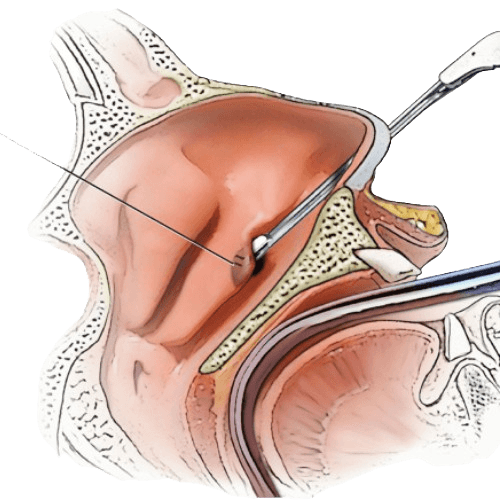
Caldwell-Luc antrostomy is a traditional open surgical procedure used to treat chronic maxillary sinus disease that does not respond to medical therapy or less invasive endoscopic sinus surgery. It involves creating an opening in the maxillary sinus through the upper gum (canine fossa) to directly remove diseased tissue, cysts, polyps, or foreign bodies. Although modern endoscopic sinus surgery has largely replaced it, Caldwell-Luc remains an important option in complex or recurrent cases. The procedure aims to restore proper sinus drainage, relieve chronic facial pain, and eliminate persistent infection.
Key Clinical Highlights
- Direct Sinus Access: Allows complete removal of diseased tissue in complex maxillary sinus cases.
- Effective in Refractory Cases: Useful when endoscopic sinus surgery is not sufficient or feasible.
- Long-Term Symptom Relief: Helps reduce chronic infection and facial pressure significantly.
When to Consider
Caldwell-Luc antrostomy is considered in patients with chronic maxillary sinusitis that does not improve with medications or endoscopic surgery, recurrent sinus infections, maxillary sinus cysts, foreign bodies in the sinus, or fungal sinus disease. It may also be recommended when anatomical obstruction prevents effective endoscopic access. Persistent facial pain, nasal blockage, and repeated antibiotic use despite treatment are key indicators for evaluation.
Restore Sinus Drainage and Eliminate Chronic Infection
Caldwell-Luc antrostomy is performed to directly access and clear the maxillary sinus in severe or persistent sinus disease where other treatments fail, ensuring long-term relief from infection and obstruction.
- Clear Chronic Infection: Removes infected tissue and blocked sinus material.
- Improve Sinus Drainage: Restores proper airflow and mucus drainage pathways.
- Reduce Facial Pain: Relieves long-term pressure and sinus-related headaches.
Symptoms and Indications
- Chronic Facial Pain: Persistent pressure or pain in the cheek area.
- Nasal Blockage: Difficulty breathing due to sinus obstruction.
- Foul Nasal Discharge: Persistent infected or foul-smelling mucus.
- Recurrent Sinus Infections: Repeated episodes despite medical treatment.
Types of Caldwell-Luc Antrostomy
Standard Caldwell-Luc Procedure
Traditional open approach through the upper gum for sinus access.
- Mucosal Clearance Technique: Removal of infected sinus lining and debris.
Modified Caldwell-Luc Approach
Less invasive variation with limited bone removal and faster recovery.
- Conservative Sinus Access: Focused drainage with minimal tissue disruption.
Pre-Procedure Preparation
- ENT Assessment: Complete nasal and sinus examination
- CT Scan: Imaging to evaluate sinus blockage and anatomy
- Medical Clearance: Blood tests and anesthesia fitness evaluation
- Pre-Surgery Instructions: Fasting and medication adjustment before surgery
Treatment Stages
- Diagnostic Evaluation (Day 1–2): ENT examination and CT scan of sinuses
- Pre-Surgical Planning (2–3 days): Anesthesia clearance and surgical mapping
- Surgery (Scheduled day): Caldwell-Luc antrostomy performed under general anesthesia
- Recovery Phase (2–4 weeks): Healing of gum incision and sinus drainage improvement
Recovery Guidelines
- Maintain Oral Hygiene: Keep the surgical area clean to prevent infection
- Avoid Nose Blowing: Prevent pressure buildup during healing
- Use Prescribed Medications: Take antibiotics and nasal care treatments regularly
- Follow-Up Visits: Ensure proper sinus healing and drainage
Life After Treatment
- Long-term relief from chronic sinus pain
- Improved nasal breathing and airflow
- Reduced frequency of sinus infections
Caldwell-Luc antrostomy provides effective relief in complex sinus disease cases where other treatments fail, restoring comfort and sinus function.
Potential Risks
- Swelling and Pain: Temporary facial swelling after surgery.
- Numbness in Upper Teeth: Temporary nerve irritation in the upper jaw region.
- Infection: Rare risk managed with antibiotics and care.
Cost Estimation in India
Estimated procedure package range: $2,000 to $7,000 USD.
Package Inclusions:
- ENT specialist consultation and nasal endoscopy
- Pre-operative imaging (CT scan of sinuses)
- General anesthesia and surgical planning
- Creation of maxillary sinus access via gum incision
- Removal of infected tissue or cysts
- Post-operative hospital care and medications
- Follow-up visits and nasal care instructions
Global Cost Comparison
- USA: $18,000 USD
- UK: $14,000 USD
- Germany: $12,000 USD
- Thailand: $8,000 USD
- India: $3,500 USD