Overview
Turbinate reduction surgery is an ENT procedure performed to treat chronic nasal obstruction caused by enlarged inferior turbinates.
Turbinates are structures inside the nose that help warm, humidify, and filter air, but when chronically enlarged due to allergies or inflammation, they can severely block airflow.
The surgery aims to reduce turbinate size while preserving their essential function, resulting in improved nasal breathing.
Modern turbinate reduction techniques are minimally invasive, cause minimal discomfort, and are often performed alongside septoplasty or other nasal procedures for optimal results.
Overview of Turbinate Reduction Surgery
Understanding the procedure
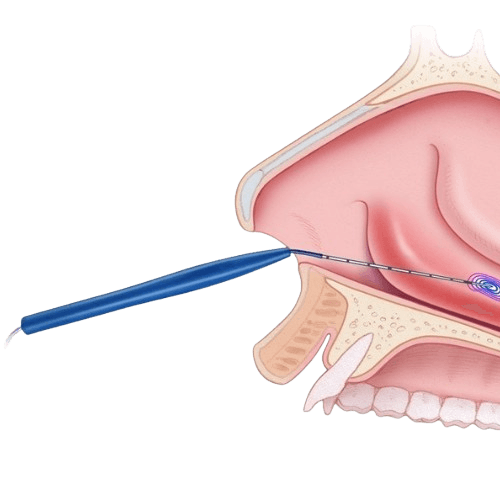
Turbinate reduction surgery focuses on decreasing the size of enlarged nasal turbinates that obstruct airflow. Depending on severity, the procedure may involve radiofrequency reduction, partial removal, or submucosal techniques that preserve the outer lining. It is usually performed under local or general anesthesia and tailored to the patient’s nasal anatomy and symptoms.
- Indication: Chronic nasal blockage due to turbinate hypertrophy
- Techniques: Radiofrequency, submucosal reduction, or partial turbinectomy
- Anesthesia: Local or general anesthesia based on patient needs
- Procedure Duration: Typically 20 to 45 minutes
Benefits and Functional Outcomes
How breathing improves
By reducing turbinate size, airflow through the nasal passages improves significantly. Patients experience reduced congestion, better sleep, improved exercise tolerance, and enhanced quality of life. Importantly, modern techniques preserve turbinate function, preventing excessive dryness or crusting.
- Improved Airflow: Relief from persistent nasal congestion
- Better Sleep: Reduced mouth breathing and nighttime discomfort
- Preserved Function: Maintains natural humidification and filtration
- Long-Term Relief: Sustained improvement when underlying causes are managed
Recovery and Postoperative Care
Healing and precautions
Recovery after turbinate reduction is generally quick, with mild nasal congestion or crusting for a few days. Patients are advised to use saline sprays, avoid irritants, and follow medication instructions. Regular follow-up ensures proper healing and optimal results.
- Recovery Time: Return to routine activities within a few days
- Postoperative Symptoms: Temporary congestion or mild bleeding
- Care Measures: Saline sprays and prescribed medications
- Follow-Up Visits: ENT review to assess healing and airflow
Why Choose CureU Healthcare
Comprehensive nasal airway care
CureU Healthcare offers advanced management of nasal obstruction with individualized treatment plans. Our ENT specialists use conservative, tissue-preserving techniques to ensure effective symptom relief while maintaining nasal function. We emphasize patient education, careful surgical planning, and long-term follow-up to deliver consistent and reliable outcomes.
- Specialist ENT Team: Experienced surgeons focused on functional nasal surgery
- Modern Techniques: Minimally invasive, turbinate-preserving approaches
- Personalized Care: Treatment tailored to each patient’s anatomy and symptoms
- Holistic Follow-Up: Long-term guidance for allergy and nasal health management
Conclusion
Turbinate reduction surgery is an effective and safe solution for patients with chronic nasal obstruction due to turbinate enlargement. By improving airflow while preserving essential nasal functions, the procedure significantly enhances breathing comfort and overall quality of life. Success depends on accurate diagnosis, appropriate technique selection, and diligent postoperative care. At CureU Healthcare, patients benefit from expert ENT evaluation, modern surgical methods, and compassionate support, ensuring lasting relief and improved nasal health.

B.U.M.S, M.D. (NAT) | Reg No. 9153 | Ex. Secretary & Treasurer, N.I.M.A.
Qualified healthcare professional in Unani and Naturopathic medicine with deep expertise in traditional healthcare systems, patient-centered clinical care, and medical content review.