Overview
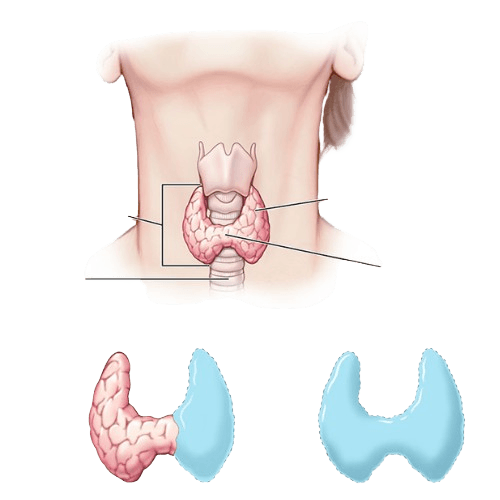
Thyroidectomy surgery is a well-established surgical procedure that involves partial or complete removal of the thyroid gland, a butterfly-shaped organ located at the front of the neck. The thyroid plays a vital role in regulating metabolism, energy levels, heart rate, and body temperature through hormone production.
This surgery is commonly recommended for conditions such as thyroid nodules, multinodular goiter, hyperthyroidism unresponsive to medication, and thyroid cancer. Depending on the diagnosis, the surgeon may perform a total thyroidectomy, hemithyroidectomy, or subtotal thyroidectomy.
Modern thyroidectomy is performed using refined surgical techniques that prioritize nerve preservation, minimal scarring, and rapid recovery. With appropriate surgical expertise and postoperative hormone management, patients can return to normal life with excellent long-term outcomes.
What is Thyroidectomy Surgery?
Understanding thyroid removal
Thyroidectomy surgery involves the surgical removal of part or all of the thyroid gland when it becomes diseased or dysfunctional. The decision to operate is based on clinical symptoms, imaging findings, biopsy results, and hormone levels. This surgery not only treats the underlying condition but also prevents serious complications such as airway compression, hormone imbalance, or cancer progression.
ENT surgeons perform thyroidectomy with meticulous attention to nearby structures, especially the vocal cord nerves and parathyroid glands, ensuring both functional and cosmetic safety for the patient.
- Total Thyroidectomy: Complete removal of the thyroid gland, commonly done for thyroid cancer or severe hyperthyroidism.
- Partial Thyroidectomy: Removal of one thyroid lobe, often used for benign nodules or localized disease.
- Indications: Thyroid cancer, large goiters, suspicious nodules, and uncontrolled hyperthyroidism.
- Primary Goal: Disease control while preserving voice quality and calcium balance.
Surgical Procedure and Technique
How thyroidectomy is performed
Thyroidectomy surgery is performed under general anesthesia through a carefully placed incision in the lower neck. The surgeon identifies and protects critical structures such as the recurrent laryngeal nerve and parathyroid glands while removing the diseased thyroid tissue.
Advanced tools like nerve monitoring and magnification are often used to enhance precision and reduce complications. The incision is closed cosmetically to minimize visible scarring, and most patients experience excellent functional and aesthetic outcomes.
- Anesthesia: General anesthesia ensures patient comfort and complete immobility during surgery.
- Nerve Monitoring: Intraoperative monitoring helps protect vocal cord nerve function.
- Parathyroid Preservation: Special care is taken to maintain calcium-regulating glands.
- Surgical Duration: Typically completed within 1.5 to 3 hours depending on complexity.
Recovery and Postoperative Care
Healing and long-term management
Recovery after thyroidectomy surgery is generally smooth when proper postoperative care is followed. Most patients are able to eat, speak, and walk within a few hours after surgery. Mild neck discomfort, temporary voice changes, or swallowing difficulty may occur initially and usually resolve over time.
Patients undergoing total thyroidectomy will require lifelong thyroid hormone replacement, which is carefully adjusted based on blood tests. Regular follow-up ensures stable hormone levels, scar healing, and early detection of any complications.
- Hospital Stay: Most patients are discharged within 24 to 48 hours after surgery.
- Pain Management: Mild pain is managed effectively with oral medications.
- Hormone Therapy: Thyroid hormone replacement is essential after total thyroidectomy.
- Follow-up Care: Regular blood tests and ENT reviews ensure optimal recovery.
Why Choose CureU Healthcare
Excellence in thyroid and ENT surgery
CureU Healthcare provides comprehensive and patient-focused thyroid surgical care led by experienced ENT surgeons. Our approach combines clinical expertise, advanced surgical technology, and compassionate care to deliver safe and effective outcomes.
We emphasize detailed preoperative evaluation, transparent counseling, and meticulous surgical planning. Postoperative care is equally prioritized, with structured follow-up, hormone management guidance, and long-term health monitoring. At CureU, patients are treated with dignity, clarity, and continuous support throughout their treatment journey.
- Experienced ENT Surgeons: Specialists trained in high-volume thyroid and neck surgeries.
- Advanced Safety Protocols: Use of nerve monitoring and modern surgical techniques.
- Patient-Centered Care: Clear communication, emotional support, and personalized treatment plans.
- Comprehensive Follow-up: Integrated postoperative care including hormone and voice monitoring.
Conclusion
Thyroidectomy surgery is a definitive and highly effective treatment for a wide range of thyroid disorders, from benign nodules to thyroid cancer. When performed by skilled ENT surgeons, the procedure offers excellent disease control, preservation of voice function, and a high quality of life after recovery.
With modern surgical advancements, careful nerve protection, and structured postoperative hormone management, patients can expect safe outcomes and long-term stability. Choosing a trusted center like CureU Healthcare ensures expert surgical execution, compassionate care, and ongoing support, empowering patients to move forward confidently after thyroid surgery.

B.U.M.S, M.D. (NAT) | Reg No. 9153 | Ex. Secretary & Treasurer, N.I.M.A.
Qualified healthcare professional in Unani and Naturopathic medicine with deep expertise in traditional healthcare systems, patient-centered clinical care, and medical content review.