
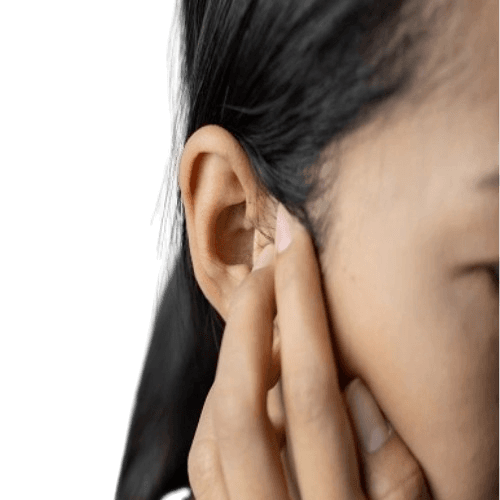
What Is a Preauricular Skin Tag?
A preauricular skin tag is a small, harmless growth that appears in front of the ear. It is usually present from birth and may look like a small piece of extra skin or a tiny bump.
These growths are also called ear tags or accessory tragus. They may contain skin, fat, or cartilage, which is the firm but flexible tissue that helps give the ear its shape.
Most preauricular skin tags are harmless and do not cause pain or affect everyday life. However, some people choose to have them removed because of their appearance or repeated irritation.
Why Are Babies Born With Ear Tags?
Preauricular skin tags develop while a baby is growing in the womb. During early pregnancy, different tissues come together to form the ears. If some extra tissue remains during this process, an ear tag may form.
This is a natural difference in ear development and is not usually caused by anything the mother did during pregnancy.
Common features include:
- Present at birth: Most ear tags are noticed when a baby is born.
- Different sizes: Some are tiny and soft, while others are larger or contain cartilage.
- One or both ears: They may appear on one side or both sides of the face.
- Usually harmless: Most occur alone without any other health problem.
Does Every Ear Tag Need Removal?
No. Preauricular skin tag removal is usually a personal choice rather than a medical need.
If the tag is small and does not cause any problems, it can often be left untreated.
Removal may be considered when the tag:
- Frequently catches on clothing, towels, or other objects.
- Becomes irritated or uncomfortable.
- Causes concerns about appearance.
- Makes cleaning around the ear difficult.
- Needs further examination because the diagnosis is uncertain.
An ENT specialist or another appropriately trained surgeon can examine the ear tag and help you decide whether removal is suitable.
How Is Preauricular Skin Tag Removal Done?
Preauricular skin tag removal is usually a minor surgical procedure. The aim is to remove the extra tissue carefully while keeping the surrounding skin and ear shape as natural as possible.
Steps Involved in the Procedure
Step 1: Examination
The doctor checks the size, position, and attachment of the ear tag. They also assess whether cartilage is present.
Step 2: Anesthesia
The area may be numbed with local anesthesia. Some children or patients with larger or more complex tags may require general anesthesia, which allows them to sleep through the procedure.
Step 3: Skin Tag Removal
The surgeon makes a small cut around the base of the tag and removes the extra tissue. If cartilage is present, the surgeon may remove the cartilage extending beneath the skin to prevent a remaining bump.
Step 4: Wound Closure
The area may be closed with fine stitches, skin glue, or another suitable method. A small dressing may be applied to protect the wound.
Many preauricular skin tag removals are performed as outpatient procedures, allowing patients to return home the same day.
The exact procedure and time required depend on the size and complexity of the tag.
What Is the Best Age for Ear Tag Removal?
There is no single age that is right for every child.
Some simple ear tags can be removed during infancy using local anesthesia. Larger tags, tags containing cartilage, or those needing a more detailed procedure may be treated later under general anesthesia.
The doctor considers the child's age, health, the size of the tag, and the type of anesthesia needed before recommending treatment.
Parents do not usually need to rush into surgery when the ear tag is harmless and the baby is otherwise healthy.
An early consultation can still be helpful to understand the available options.
Is Ear Tag Removal Painful?
Doctors use anesthesia to reduce or prevent pain during the procedure.
With local anesthesia, the treatment area becomes numb, although the patient may still feel some pressure or movement.
With general anesthesia, the patient is asleep during surgery.
After removal, mild soreness, swelling, or tenderness may occur for a few days.
The doctor may recommend suitable pain medicine based on the patient's age and medical condition.
How Long Does Recovery Take?
Recovery after preauricular skin tag removal is generally straightforward, especially when the tag is small.
Many small wounds begin healing well within 1 to 2 weeks, although complete healing and scar fading take longer.
What to Expect During Recovery
First few days: Mild swelling, tenderness, or slight redness may occur around the treated area.
First 1 to 2 weeks: The wound continues to heal. Stitches, skin glue, or wound tapes are managed according to the doctor's instructions.
Following weeks and months: The scar gradually settles and may become less noticeable.
Patients may return to light daily activities soon after treatment, but the exact timing depends on the procedure and anesthesia used.
How to Care for the Wound
- Keep the treated area clean and follow the doctor's instructions about keeping it dry.
- Avoid scratching, rubbing, or picking at the wound.
- Do not remove stitches or wound tapes unless advised.
- Give prescribed medicines exactly as directed.
- Attend follow up appointments when recommended.
Contact the doctor if there is increasing redness, swelling, pus, fever, uncontrolled pain, or bleeding that does not stop.
Will Ear Tag Removal Leave a Scar?
A small scar is expected whenever the skin is cut during surgery.
However, surgeons plan the incision carefully to help make the scar as neat and less noticeable as possible.
The final appearance depends on the tag's size, skin type, healing process, and surgical technique.
Most scars become less noticeable with time, but completely scar free healing cannot be guaranteed.
Following wound care instructions and protecting healed skin from excessive sun exposure can support better scar healing.
Can a Preauricular Skin Tag Grow Back?
When the entire ear tag, including any cartilage at its base, is removed properly, it is unlikely to grow back.
However, a small remaining bump may occur if tissue beneath the skin has not been fully removed.
This is one reason why proper surgical removal is generally preferred over simply tying off an ear tag.
Can Ear Tags Affect Hearing?
Most children with an isolated preauricular skin tag have no hearing problems.
However, some studies have found an association between ear tags and hearing difficulties in newborns.
All newborn babies should receive a hearing screening test, whether or not they have an ear tag.
If a baby has not had hearing screening, or parents notice concerns about hearing or speech development, a pediatrician or ENT specialist should be consulted.
Are Ear Tags Linked to Kidney Problems?
In most cases, an isolated preauricular skin tag does not mean a child has a kidney problem.
However, ear differences can sometimes occur alongside other conditions that affect the kidneys or other parts of the body.
Doctors may consider a kidney ultrasound when a child has other physical differences, a relevant family history, or findings that need further examination.
Research has produced mixed results about whether every baby with an isolated ear tag needs a kidney scan.
A kidney ultrasound is not automatically required for every child with an ear tag, but the decision should be made by the child's doctor after an individual assessment.
Can You Remove an Ear Tag at Home?
No. Parents should not try to cut, pull, freeze, or tie off a baby's ear tag at home.
Unlike ordinary skin tags that develop later in life, preauricular ear tags may contain cartilage beneath the skin.
Trying to remove them without medical care can cause bleeding, infection, skin damage, or an unwanted remaining bump.
The safest approach is to have the ear tag examined and, if needed, removed by a qualified medical professional.
What Are the Risks of Ear Tag Removal?
Preauricular skin tag removal is generally a low risk procedure when performed by an appropriately trained surgeon.
However, every surgical procedure has some possible risks.
These include:
- Bleeding: A small amount of bleeding may occur during or after removal.
- Infection: The wound may occasionally become infected.
- Scarring: A permanent scar will remain, although it may become less noticeable.
- Swelling or discomfort: Temporary soreness or swelling can occur.
- Remaining tissue: A small bump may remain if deeper tissue is not completely removed.
- Anesthesia risks: When sedation or general anesthesia is used, the medical team will discuss the possible side effects and risks.
A proper examination before the procedure and careful wound care afterward help reduce the risk of complications.
Why Choose CureU Healthcare?
Choosing the right specialist is an important part of planning preauricular skin tag removal, particularly for infants and young children.
At CureU Healthcare, we help patients connect with ENT specialists, doctors, and hospitals for suitable evaluation and treatment.
Our focus is on making the treatment journey easier to understand and manage.
How CureU Healthcare Can Help
Specialist Consultation
We help patients explore consultation options with suitable medical specialists who can assess the ear tag and discuss treatment.
Personalized Treatment Planning
Every ear tag is different. Treatment recommendations depend on the patient's age, health, and the size and structure of the growth.
Clear Procedure Information
We help families understand the available treatment options, expected recovery, and questions to discuss with their surgeon.
Appointment and Care Coordination
Our team can assist with hospital appointments, treatment estimates, and coordinating the next steps in care.
Get Guidance for Preauricular Skin Tag Removal
If you or your child has a preauricular skin tag, a consultation can help determine whether removal is needed and which treatment approach is appropriate.
Connect with CureU Healthcare to explore specialist consultation and preauricular skin tag removal options.
Trusted Medical Sources
Children's Hospital of Philadelphia: Ear Tags
American Family Physician: Evaluation of Newborns With Preauricular Skin Lesions
PubMed: Renal Ultrasound in Patients With Preauricular Skin Tags, 2026
Children's Hospital of Philadelphia: Preauricular Skin Tag Removal Aftercare
Medical information is provided for general education and should not replace advice from a qualified healthcare professional. Treatment and recovery vary between patients.

B.U.M.S, M.D. (NAT) | Reg No. 9153 | Ex. Secretary & Treasurer, N.I.M.A.
Qualified healthcare professional in Unani and Naturopathic medicine with deep expertise in traditional healthcare systems, patient-centered clinical care, and medical content review.