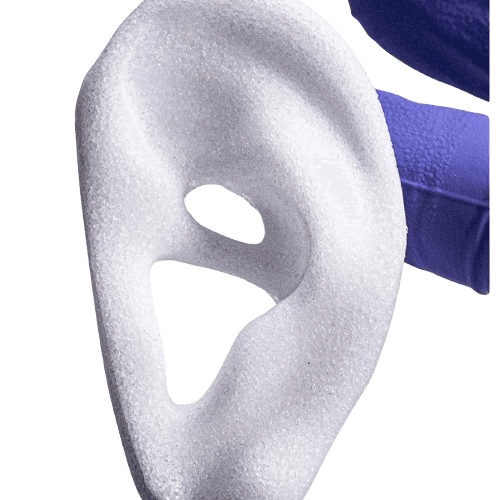
Overview
Canalplasty is a specialized ear surgery performed to widen or reshape the external auditory canal when it becomes narrowed or blocked. This condition, known as canal stenosis or exostosis, can lead to hearing loss, recurrent infections, and difficulty in ear cleaning. The procedure involves removing excess bone or soft tissue obstructing the ear canal, restoring its normal diameter and improving sound conduction. By enhancing airflow and drainage within the ear, canalplasty helps reduce infection risk and supports better long-term ear health.
Key Clinical Highlights
- Precision Surgery: Microscopic and endoscopic techniques allow accurate removal of obstructive bone.
- Improved Hearing: Restores proper sound conduction by widening the ear canal.
- Infection Reduction: Enhances ventilation and drainage, lowering risk of repeated infections.
When to Consider
Canalplasty is recommended when the ear canal becomes significantly narrowed, leading to symptoms such as hearing loss, frequent ear infections, water trapping, or difficulty in earwax removal. It is commonly advised for patients with exostosis caused by repeated cold water exposure, chronic inflammation, or post-traumatic deformities. The procedure is also considered when conservative treatments fail to relieve symptoms or when the narrowed canal interferes with proper examination and treatment of the middle ear. Early intervention helps prevent long-term complications and improves hearing quality.
Restore Ear Canal Function
Canalplasty helps in correcting structural narrowing that affects hearing and ear health.
- Better Hearing: Improves sound transmission to the eardrum.
- Prevent Infections: Reduces moisture retention and bacterial growth.
- Enhanced Ear Hygiene: Allows natural cleaning of the ear canal.
Symptoms and Indications
- Hearing Loss: Reduced hearing due to blocked ear canal.
- Frequent Infections: Repeated ear infections caused by poor drainage.
- Ear Fullness: Feeling of blockage or pressure in the ear.
- Water Trapping: Water retention after swimming or bathing.
Types of Canalplasty
Exostosis Removal
Surgical removal of bony growths narrowing the ear canal.
- Single Growth Removal: Targets isolated bony obstruction.
- Multiple Growth Removal: Addresses extensive narrowing caused by multiple exostoses.
Canal Widening Surgery
Reshaping of the ear canal to restore normal diameter.
- Soft Tissue Reconstruction: Corrects narrowing caused by tissue scarring.
Pre-Procedure Preparation
- Ear Examination: Detailed ear check and imaging if needed.
- Hearing Test: Audiometry to assess hearing levels.
- Medication Review: Adjust medications before surgery.
- Fasting: Avoid food prior to procedure.
Treatment Stages
- Pre Arrival (Day 1): Consultation and ear evaluation
- Admission (Week 1): Hearing tests and preparation
- Surgery (Week 2): Canalplasty procedure
- Recovery (Weeks 2-4): Healing and follow up
Recovery Guidelines
- Keep Ear Dry: Avoid water exposure during healing period.
- Follow Medication: Use prescribed drops or antibiotics.
- Avoid Trauma: Do not insert objects into ear canal.
- Attend Follow Ups: Regular checkups ensure proper healing.
Life After Treatment
- Improved hearing clarity and comfort.
- Reduced risk of recurring ear infections.
- Better ear hygiene and maintenance.
Restoring the natural pathway of sound leads to better hearing and healthier ears.
Potential Risks
- Infection: Minor risk of infection at surgical site.
- Canal Narrowing Recurrence: Rare regrowth of bone or tissue over time.
- Hearing Changes: Temporary hearing fluctuation during healing.
Cost Estimation in India
Estimated procedure package range: $2,000 to $5,000 USD.
Package Inclusions:
- Pre-surgery tests
- Surgical procedure
- Hospital stay
- Surgeon fees
Global Cost Comparison
- USA: $12,000 USD
- UK: $9,000 USD
- Germany: $8,000 USD
- Thailand: $6,000 USD
- India: $3,000 USD