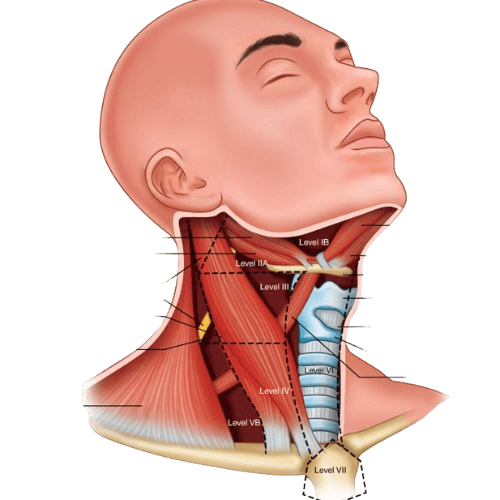
Overview
Neck Dissection Surgery is a specialized ENT procedure performed to remove lymph nodes and surrounding tissues in the neck that may be affected by cancer.
This surgery is crucial for controlling the spread of head and neck cancers and is tailored based on the stage, location, and extent of the disease.
Modern techniques aim to maximize cancer control while preserving essential nerves, muscles, and vascular structures, minimizing functional and cosmetic impact.
Postoperative care is critical and involves monitoring for complications such as nerve injury, hematoma, infection, and shoulder dysfunction. Recovery is progressive, often involving physiotherapy to restore neck mobility and strength.
Patient counseling and a multidisciplinary approach are key to optimizing outcomes and ensuring holistic care throughout the treatment journey.
Overview of Neck Dissection Surgery
Understanding the Procedure
Neck Dissection Surgery involves the precise removal of lymph nodes and surrounding tissues to manage cancers originating in the head and neck region. The type of neck dissection is chosen based on tumor location, stage, and potential spread. Surgeons aim to remove affected tissues while preserving critical nerves such as the spinal accessory nerve, vagus nerve, and structures important for swallowing and speaking.
- Purpose: To remove cancerous lymph nodes and prevent further spread of head and neck malignancies.
- Procedure Types: Includes Radical, Modified Radical, and Selective Neck Dissections based on disease extent.
- Surgical Approach: Performed under general anesthesia using precise dissection techniques for optimal outcomes.
- Recovery Focus: Emphasis on early mobilization, physiotherapy, and wound care to ensure functional preservation.
Preoperative Considerations
Preparing for Surgery
Before Neck Dissection Surgery, a thorough evaluation is conducted including imaging studies, blood tests, and assessment of overall health. Patients are counseled on potential risks, expected recovery timelines, and lifestyle adjustments. Preoperative planning also involves discussing anesthesia, surgical approach, and the need for potential reconstructive procedures if extensive tissue removal is required.
- Medical Assessment: Comprehensive evaluation to ensure patient is fit for surgery.
- Imaging: CT, MRI, or PET scans to map lymph node involvement and tumor spread.
- Patient Counseling: Discussion of risks, benefits, and functional outcomes post-surgery.
- Prehabilitation: Physiotherapy and exercises may be advised to aid post-surgical recovery.
Why Choose CureU Healthcare
Excellence in ENT Surgical Care
CureU Healthcare provides world-class ENT care with a patient-centric approach to Neck Dissection Surgery. Our multidisciplinary team combines the expertise of ENT surgeons, oncologists, anesthesiologists, and rehabilitation specialists to ensure comprehensive care. We employ state-of-the-art surgical techniques designed to minimize complications and preserve quality of life. Every patient receives personalized preoperative planning, meticulous intraoperative care, and structured postoperative follow-up. Patient education and support services are integrated into the care pathway, ensuring informed decisions and optimal recovery outcomes.
- Expert Surgical Team: Highly skilled ENT and oncology surgeons with years of experience in complex head and neck procedures.
- Advanced Facilities: Operating theaters equipped with modern imaging, navigation, and minimally invasive technologies.
- Patient-Centered Care: Focus on individualized treatment plans, clear communication, and emotional support.
- Comprehensive Rehabilitation: Physiotherapy and speech therapy programs to restore neck function and overall quality of life.
Postoperative Recovery and Care
Ensuring Smooth Healing
Recovery after Neck Dissection Surgery involves monitoring for complications such as nerve injury, hematoma, infection, or shoulder dysfunction. Pain management, wound care, and physiotherapy are essential components. Early mobilization and structured rehabilitation programs aid in restoring neck strength and range of motion. Patients are advised on lifestyle modifications, nutrition, and follow-up schedules. Long-term monitoring is critical to detect recurrence or secondary complications and ensure optimal functional and cosmetic outcomes.
- Immediate Care: Hospital stay with continuous monitoring of vital signs and wound integrity.
- Physiotherapy: Targeted exercises to improve neck mobility and shoulder function.
- Nutrition & Lifestyle: Balanced diet and activity modifications to support healing.
- Follow-Up: Regular check-ups for early detection of recurrence and management of long-term effects.
Conclusion
Neck Dissection Surgery is a cornerstone procedure for managing head and neck cancers, offering both curative and preventive benefits. Success relies on meticulous surgical technique, comprehensive preoperative planning, and structured postoperative care. Patients treated at specialized centers like CureU Healthcare benefit from a multidisciplinary approach, advanced surgical technologies, and individualized rehabilitation programs. With thorough counseling, patient education, and follow-up, patients can achieve optimal oncologic control while maintaining function and quality of life.