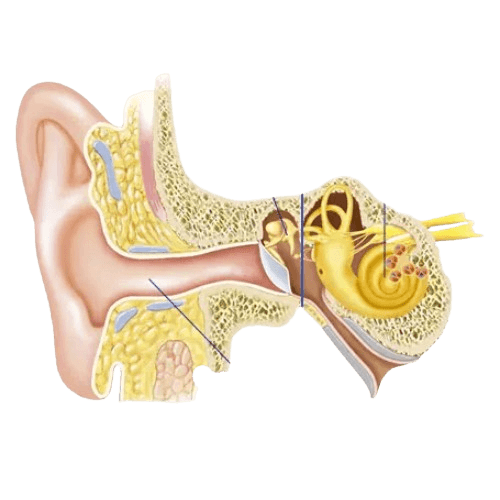
Overview
Hearing loss treatment encompasses a range of advanced diagnostic and therapeutic approaches designed to improve hearing ability, restore communication, and enhance quality of life. Treatment is tailored to the underlying cause and may include medical management, hearing devices, minimally invasive procedures, or specialized surgical interventions.
Key Clinical Highlights
- Comprehensive Hearing Assessment: Advanced audiological testing helps identify the exact cause and severity of hearing impairment.
- Personalized Treatment Planning: Therapy is tailored according to the patient's hearing profile and underlying condition.
- Advanced Hearing Restoration: Modern devices and surgical options can significantly improve hearing and communication abilities.
When to Consider
Hearing loss treatment should be considered when an individual experiences difficulty understanding conversations, frequently asks others to repeat themselves, struggles to hear phone calls, increases television volume excessively, or notices a gradual decline in hearing ability. Medical evaluation is particularly important when hearing loss occurs suddenly, affects one ear, is accompanied by ringing in the ears, dizziness, ear fullness, recurrent infections, or balance disturbances. Individuals exposed to prolonged occupational noise, older adults experiencing age-related hearing decline, and patients with chronic ear conditions should undergo timely assessment to prevent further deterioration. Early diagnosis and treatment can significantly improve communication, daily functioning, social participation, and overall quality of life.
Preserve Hearing And Improve Communication
Timely treatment helps maintain hearing ability, supports clearer communication, reduces social limitations, and improves overall quality of life for individuals with hearing impairment.
- Improve Speech Understanding: Enhances the ability to follow conversations in daily and professional settings.
- Prevent Further Decline: Early intervention may slow progression and protect remaining hearing function.
- Enhance Quality Of Life: Supports independence, confidence, and social engagement across all age groups.
Symptoms and Indications
- Difficulty Hearing Conversations: Speech may sound unclear, especially in noisy environments or group discussions.
- Frequent Requests For Repetition: Patients often ask others to repeat words or sentences.
- Tinnitus: Ringing, buzzing, or other sounds in the ear may accompany hearing loss.
- Increased Volume Dependence: Needing higher television or phone volume than usual can indicate hearing impairment.
Types of Hearing Loss Treatment
Conductive Hearing Loss
Occurs when sound cannot effectively travel through the outer or middle ear structures.
- Ear Canal Disorders: Hearing loss caused by blockages, infections, or structural abnormalities.
- Middle Ear Disorders: Conditions affecting the eardrum or hearing bones that impair sound transmission.
Sensorineural Hearing Loss
Results from damage to the inner ear or auditory nerve pathways.
- Age Related Hearing Loss: Gradual hearing decline associated with the natural aging process.
- Noise Induced Hearing Loss: Permanent hearing damage caused by prolonged exposure to loud sounds.
Pre-Procedure Preparation
- Audiological Testing: Comprehensive hearing evaluation to determine the type and severity of hearing loss.
- Medical Examination: Assessment of ear health, symptoms, and contributing medical conditions.
- Imaging If Needed: Advanced scans may be recommended for specific hearing disorders.
- Treatment Planning: Development of a personalized hearing restoration strategy.
Treatment Stages
- Pre Arrival (Day 1): Review of symptoms and medical history
- Evaluation (Week 1): Comprehensive hearing tests and diagnosis
- Treatment (Week 2): Medical, device-based, or surgical intervention
- Follow Up (Ongoing): Hearing monitoring and rehabilitation
Recovery Guidelines
- Attend Follow Up Visits: Regular assessments help monitor hearing progress and treatment effectiveness.
- Protect Your Ears: Avoid excessive noise exposure and use hearing protection when necessary.
- Follow Device Instructions: Use hearing aids or implanted devices according to specialist recommendations.
- Continue Rehabilitation: Participate in hearing therapy programs when advised by your care team.
Life After Treatment
- Many patients experience improved communication and greater confidence.
- Modern hearing technologies support long-term hearing rehabilitation.
- Regular monitoring helps maintain hearing performance and ear health.
Restoring hearing can reconnect individuals with conversations, relationships, and everyday experiences.
Potential Risks
- Progressive Hearing Decline: Untreated hearing loss may worsen over time depending on the underlying cause.
- Communication Challenges: Hearing impairment can affect social interactions and daily activities.
- Balance Difficulties: Certain inner ear conditions may contribute to dizziness or balance problems.
Cost Estimation in India
Estimated procedure package range: $1,000 to $15,000 USD.
Package Inclusions:
- ENT consultation
- Audiological evaluation
- Diagnostic hearing tests
- Treatment planning and follow-up
Global Cost Comparison
- USA: $45,000 USD
- UK: $32,000 USD
- Germany: $28,000 USD
- Thailand: $18,000 USD
- India: $8,000 USD