Overview
Frontoethmoidectomy is a specialized ENT surgical procedure performed to remove diseased tissue from the frontal and ethmoid sinuses. It is commonly recommended for patients with chronic sinusitis, recurrent sinus infections, nasal polyps, or tumors that do not respond to medications or less invasive treatments.
This surgery aims to restore proper sinus drainage, reduce inflammation, and improve breathing and overall quality of life. It can be performed using endoscopic (minimally invasive) techniques or through an external approach depending on disease severity and anatomy.
Frontoethmoidectomy is usually done under general anesthesia and requires a skilled ENT surgeon due to the proximity of critical structures such as the eyes and brain. With modern surgical techniques and postoperative care, most patients experience significant symptom relief and improved sinus function.
What is Frontoethmoidectomy?
Understanding the procedure
Frontoethmoidectomy is a surgical intervention targeting the frontal and ethmoid sinuses, which are air-filled spaces in the skull that can become chronically inflamed or infected. The procedure involves removing infected mucosa, polyps, and obstructive tissue to restore natural sinus drainage pathways. It is often recommended when conservative treatments like antibiotics, nasal sprays, and steroids fail.
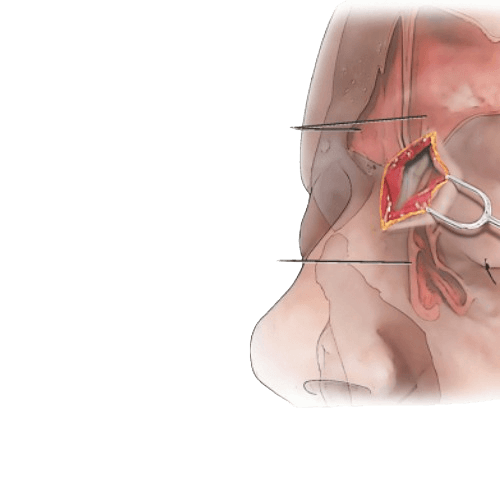
This surgery can be performed endoscopically through the nostrils or via an external incision in complex cases. The primary goal is to reduce symptoms like facial pain, nasal blockage, postnasal drip, and recurrent infections, while preventing complications such as orbital or intracranial spread of infection.
- Target Sinuses: Frontal and ethmoid sinuses are cleared of diseased tissue to improve ventilation and drainage.
- Surgical Approach: Can be endoscopic (minimally invasive) or external depending on anatomy and disease severity.
- Indications: Chronic sinusitis, nasal polyps, mucoceles, tumors, and refractory infections.
- Goal: Restore sinus function, reduce symptoms, and prevent serious complications.
Procedure and Surgical Steps
How the surgery is performed
Frontoethmoidectomy is performed under general anesthesia. Using endoscopic instruments or external access, the surgeon removes inflamed tissue, polyps, and bony partitions blocking sinus drainage. Advanced imaging and navigation systems may be used to improve precision and safety.
The surgeon carefully avoids nearby critical structures such as the orbit and skull base. Once the sinuses are cleared, the nasal passages are widened to allow natural airflow and drainage. Nasal packing or stents may be placed temporarily to support healing.
- Anesthesia: General anesthesia is typically used for patient comfort and surgical precision.
- Endoscopic Instruments: High-definition endoscopes allow precise visualization and tissue removal.
- Image Guidance: Navigation systems help avoid complications near the brain and eyes.
- Post-surgical Support: Nasal packing or stents may be placed to control bleeding and maintain airway patency.
Recovery and Aftercare
Healing timeline and patient care
Recovery after frontoethmoidectomy varies based on the surgical approach and patient health. Most patients can go home within 1–2 days, but full recovery may take several weeks. Nasal congestion, mild bleeding, and facial pressure are common initially and gradually improve.
Regular follow-up visits are essential to clean the surgical site and monitor healing. Saline rinses, antibiotics, and steroid sprays are often prescribed to prevent infection and reduce inflammation. Patients are advised to avoid strenuous activities and nose blowing during early recovery.
- Hospital Stay: Typically outpatient or short hospital stay depending on complexity.
- Medications: Antibiotics, pain relievers, and nasal steroids are commonly prescribed.
- Follow-up Visits: Endoscopic cleaning and monitoring ensure proper healing and prevent scar formation.
- Activity Restrictions: Avoid heavy lifting, strenuous exercise, and nose blowing for a few weeks.
Why Choose CureU Healthcare
Expert ENT care with patient-first approach
CureU Healthcare offers comprehensive ENT surgical care with a strong focus on patient safety, comfort, and long-term outcomes. Our team of experienced ENT surgeons uses advanced endoscopic techniques and image-guided systems to ensure precision and minimize complications.
We follow evidence-based protocols for preoperative evaluation, surgical planning, and postoperative care. Patients receive personalized treatment plans, clear counseling, and continuous support throughout the recovery journey. Our multidisciplinary approach ensures coordination with radiologists, anesthesiologists, and infection specialists to deliver world-class sinus care.
- Experienced ENT Surgeons: Highly trained specialists with extensive experience in complex sinus surgeries.
- Advanced Technology: Use of endoscopic systems and surgical navigation for maximum safety and accuracy.
- Personalized Care Plans: Tailored treatment and recovery plans based on individual patient needs.
- Comprehensive Follow-up: Dedicated postoperative monitoring and rehabilitation support for optimal outcomes.
Conclusion
Frontoethmoidectomy is a highly effective surgical solution for patients suffering from chronic or complicated sinus disease that does not respond to medical therapy. By removing obstructive and diseased tissue from the frontal and ethmoid sinuses, the procedure restores proper sinus drainage, reduces infection risk, and significantly improves quality of life.
With advancements in endoscopic techniques and image-guided surgery, frontoethmoidectomy has become safer and more precise, with faster recovery and fewer complications. Choosing an experienced ENT center like CureU Healthcare ensures expert surgical care, comprehensive postoperative management, and long-term symptom relief. Patients considering this procedure should discuss their symptoms, imaging findings, and treatment goals with an ENT specialist to make an informed and confident decision.