
Overview
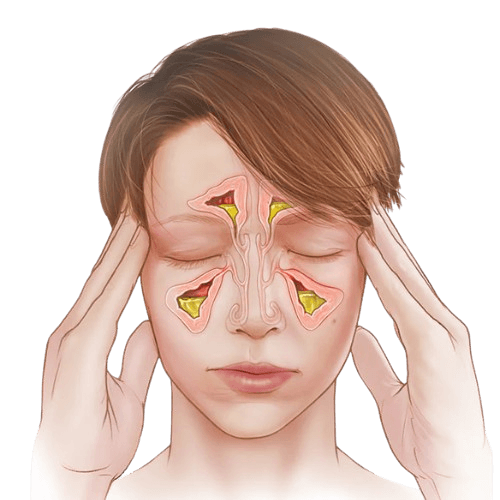
Sinusitis, commonly referred to as a sinus infection, is an inflammation of the sinus lining caused by infection, allergies, or blockage of sinus drainage pathways. It leads to symptoms such as facial pain, nasal congestion, headache, thick nasal discharge, and reduced sense of smell.
Sinusitis can be acute, subacute, chronic, or recurrent depending on duration and frequency. Early diagnosis and appropriate treatment are essential to prevent complications and improve long-term sinus health.
Understanding Sinusitis
What causes sinus infections
Sinusitis occurs when mucus becomes trapped in the sinuses, creating an environment for bacteria, viruses, or fungi to grow. Structural issues, allergies, and repeated infections can worsen the condition. Understanding the underlying cause is key to selecting the most effective treatment approach.
- Types of Sinusitis: Acute, subacute, chronic, and recurrent sinusitis based on symptom duration.
- Common Causes: Viral infections, bacterial growth, allergies, nasal polyps, and deviated nasal septum.
- Risk Factors: Allergic rhinitis, smoking, pollution exposure, and weakened immunity.
- Symptom Patterns: Facial pain, nasal blockage, headache, post-nasal drip, and fatigue.
Diagnosis and Evaluation
How sinusitis is diagnosed
Accurate diagnosis involves clinical examination and, when needed, imaging studies. ENT specialists evaluate nasal passages and sinuses to identify infection severity and contributing factors.
- Clinical Examination: Detailed assessment of nasal cavity and facial tenderness.
- Nasal Endoscopy: Direct visualization of sinus openings and nasal structures.
- Imaging Studies: CT scan of sinuses in chronic or complicated cases.
- Allergy Evaluation: Testing may be advised if allergies are suspected contributors.
Treatment Options
Medical and supportive management
Treatment depends on the type and severity of sinusitis. Most cases respond well to medications, lifestyle modifications, and nasal care. Surgery is considered only when conservative measures fail.
- Medications: Antibiotics, nasal sprays, antihistamines, and decongestants as indicated.
- Nasal Irrigation: Saline rinses help clear mucus and reduce inflammation.
- Lifestyle Measures: Hydration, steam inhalation, and avoidance of allergens.
- Surgical Referral: Chronic cases may require endoscopic sinus surgery.
Why Choose CureU Healthcare
Comprehensive and compassionate sinus care
CureU Healthcare provides holistic management of sinusitis with a strong focus on identifying root causes and preventing recurrence. The ENT team combines clinical expertise with advanced diagnostic tools to deliver precise, evidence-based care. Patients receive individualized treatment plans, clear education about their condition, and ongoing support to maintain long-term sinus health.
- Experienced ENT Specialists: Expert clinicians skilled in both medical and surgical sinus care.
- Accurate Diagnosis: Advanced endoscopic and imaging facilities for precise evaluation.
- Personalized Treatment: Customized therapy based on sinus type, severity, and patient lifestyle.
- Continuity of Care: Long-term follow-up to prevent recurrence and complications.
Conclusion
Sinusitis is a common yet potentially persistent ENT condition that can significantly affect daily life if left untreated. With timely diagnosis, appropriate medical management, and expert guidance, most patients achieve excellent symptom control and recovery. CureU Healthcare’s patient-centered approach ensures accurate evaluation, effective treatment, and long-term sinus wellness, helping patients breathe comfortably and live healthier lives.

B.U.M.S, M.D. (NAT) | Reg No. 9153 | Ex. Secretary & Treasurer, N.I.M.A.
Qualified healthcare professional in Unani and Naturopathic medicine with deep expertise in traditional healthcare systems, patient-centered clinical care, and medical content review.