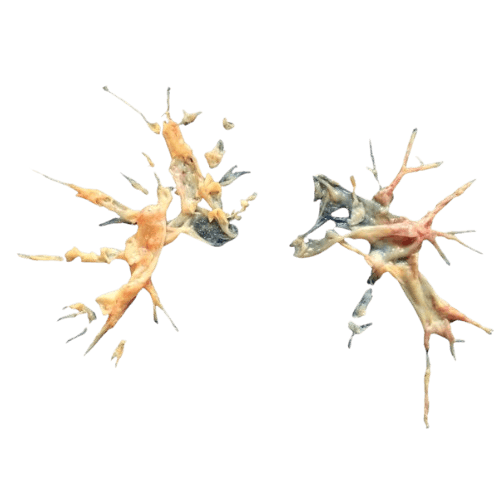
Overview
Pulmonary Thromboendarterectomy (PTE) is a complex surgical procedure performed to remove organized blood clots obstructing the pulmonary arteries.
This operation is often the definitive treatment for chronic thromboembolic pulmonary hypertension (CTEPH), a condition that causes severe breathing difficulty and strain on the right side of the heart.
By clearing these clots, the procedure significantly improves oxygen delivery and restores normal pulmonary circulation.
Overview And Clinical Background
Understanding Pulmonary Thromboendarterectomy
PTE is performed on patients with CTEPH, where long-standing blood clots narrow or block the pulmonary arteries.
Without surgery, the condition can progress to right heart failure.
PTE is a curative treatment when medical therapy alone is insufficient.
- Procedure goal:: To remove chronic thromboembolic material from the pulmonary arteries, relieving obstruction and reducing pulmonary artery pressure. -br This restores efficient blood flow between the heart and lungs, improving oxygenation and exercise tolerance.
- Performed under deep hypothermic circulatory arrest, allowing surgeons to precisely remove blockages from both lungs while maintaining safety.
- Outcome focus:: Significant reduction in pulmonary vascular resistance and normalization of right heart function in most patients post-surgery.
Symptoms, Signs And Presentation
Patients typically present with progressive shortness of breath, fatigue, and reduced exercise tolerance.
Some may experience chest discomfort, fainting spells, or swelling in the legs due to right heart strain.
- Common symptom:: Shortness of breath that worsens gradually over months and limits daily activities.
- General fatigue, palpitations, and swelling around the ankles due to elevated pulmonary pressure.
- Red flag:: Syncope (fainting) or severe breathlessness at rest may indicate advanced pulmonary hypertension and urgent need for surgical assessment.
Diagnosis Methods And Investigations
Imaging And Laboratory Tests
Diagnosis of CTEPH and surgical candidacy for PTE require detailed imaging and hemodynamic evaluation.
A multidisciplinary team evaluates each patient to ensure surgery is safe and beneficial.
- Imaging:: CT pulmonary angiography and ventilation-perfusion (V/Q) scans identify chronic blockages and confirm surgical feasibility. -br Echocardiography helps assess heart function and pulmonary artery pressure.
- Lab tests:: Routine tests including coagulation profiles, cardiac biomarkers, and renal function panels ensure the patient’s readiness for surgery.
- Right heart catheterization provides definitive measurement of pulmonary pressures and guides intraoperative planning.
Treatment Options And Surgical Techniques
The cornerstone of CTEPH management is surgical PTE, complemented by pre- and post-operative medical care.
The surgery is performed under deep hypothermia with short periods of circulatory arrest, enabling complete removal of fibrotic material.
- Conservative:: Patients unsuitable for surgery may be managed with pulmonary vasodilators or anticoagulation, though improvement is limited.
- Minimally invasive options:: Balloon pulmonary angioplasty may be considered in patients with distal, inoperable disease when PTE is not feasible.
- PTE remains the definitive curative treatment, often restoring near-normal pulmonary pressures and markedly improving quality of life.
Recovery, Risks And Prognosis
Recovery typically involves an ICU stay for a few days with gradual weaning from ventilatory support.
Risks include reperfusion lung injury, bleeding, or arrhythmias, but experienced centers maintain high success rates.
With appropriate rehabilitation, patients regain normal activity levels and markedly improved cardiac function.
Why Choose Us
CureU Healthcare brings together expert cardiothoracic and vascular surgeons, anesthetists, and intensive care specialists with vast experience in PTE procedures.
Our precision imaging, advanced monitoring, and patient-centered follow-up ensure safety, comfort, and durable recovery.
Conclusion
Pulmonary Thromboendarterectomy offers renewed life to patients suffering from chronic pulmonary hypertension.
At CureU Healthcare, our integrated vascular team ensures each patient receives the safest, most effective path back to breathing freely and living fully.


