Overview
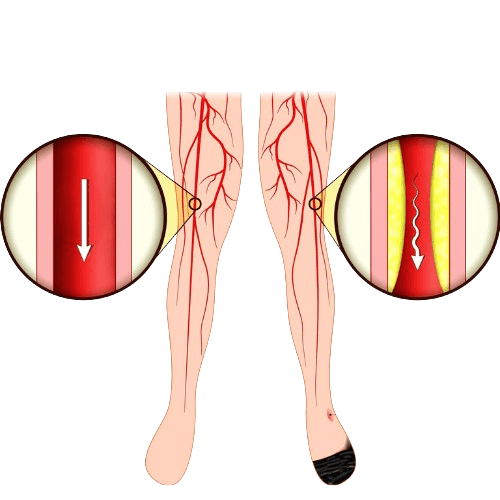
Peripheral artery disease (PAD) is a chronic circulatory condition in which arteries supplying blood to the limbs become narrowed due to atherosclerosis.
This restriction limits oxygen delivery to muscles and tissues, especially during activity, causing pain, fatigue, and in advanced stages, tissue damage.
PAD is a major yet often underdiagnosed health issue, particularly in people with diabetes, smoking habits, or high cholesterol.
Early diagnosis and targeted treatment greatly reduce the risk of limb loss and cardiovascular events.
Overview And Clinical Background
PAD occurs when fatty deposits or calcium build up along arterial walls, gradually narrowing the passageway for blood.
The legs are most commonly affected, though arms and abdominal arteries can also be involved.
This disease not only impacts mobility but also signals widespread atherosclerosis, increasing the risk of heart attack and stroke.
- Pathophysiology:: Arterial walls thicken due to plaque formation, reducing elasticity and restricting blood flow. As oxygen delivery declines, muscles become ischemic, triggering pain and fatigue with exertion.
- Long-standing PAD can cause chronic wounds, infections, and even gangrene if not treated promptly. The reduced circulation slows healing and compromises tissue integrity.
- Progression:: Early symptoms are often mild or absent, but without intervention, PAD can progress to critical limb ischemia—an advanced stage that threatens limb survival.
Symptoms, Signs And Presentation
Symptoms develop slowly, often mistaken for natural aging or arthritis.
Recognizing subtle changes early allows timely intervention and prevention of complications.
- Common symptom:: Intermittent claudication, characterized by leg pain during walking that subsides with rest. It’s the hallmark of PAD and indicates insufficient blood supply during physical exertion.
- Numbness, weakness, or coldness in the lower limbs due to reduced perfusion. Skin may appear pale or bluish, and toenails grow slowly or become brittle.
- Red flag:: Rest pain, ulcers, or dark discoloration of toes signal severe ischemia and an urgent need for vascular evaluation.
Diagnosis Methods And Investigations
Imaging And Laboratory Tests
Diagnosis combines clinical examination with imaging and blood tests.
The aim is to locate the blockage, assess severity, and evaluate risk factors contributing to disease progression.
- Imaging:: Duplex ultrasound visualizes arterial narrowing and measures blood velocity. CT or MR angiography provides a detailed 3D view of vessel structure and plaque location.
- Lab tests:: Cholesterol levels, HbA1c, and inflammatory markers are evaluated to detect and manage underlying conditions like diabetes and dyslipidemia.
- Ankle-brachial index (ABI) compares blood pressure in the ankle and arm, a simple yet powerful screening tool for PAD.
Treatment Options And Surgical Techniques
Treatment focuses on relieving symptoms, halting progression, and restoring circulation.
The strategy depends on disease severity and individual health status.
- Conservative:: Lifestyle changes including smoking cessation, regular walking exercises, and control of cholesterol, blood pressure, and blood sugar. Medications like statins and antiplatelets slow disease progression.
- Minimally invasive options:: Endovascular angioplasty and stent placement for focal lesions, offering rapid recovery and effective symptom relief with minimal hospitalization.
- For advanced blockages, bypass surgery or endarterectomy (removal of plaque) restores durable blood flow to save limbs.
Recovery, Risks And Prognosis
With appropriate treatment, most patients experience significant improvement in walking distance and pain relief.
Ongoing lifestyle management and follow-up are vital to maintain vessel health.
PAD is a chronic condition, but with medical and interventional care, patients can lead full, active lives with minimal limitations.
Why Choose Us
CureU Healthcare offers comprehensive PAD management—from advanced imaging to endovascular and surgical expertise.
Our multidisciplinary vascular team prioritizes early diagnosis, customized treatment, and long-term prevention to restore mobility and confidence.
Conclusion
Peripheral artery disease can be effectively managed with a proactive approach.
Timely intervention and sustained care prevent complications and ensure a better, pain-free quality of life.


