Overview
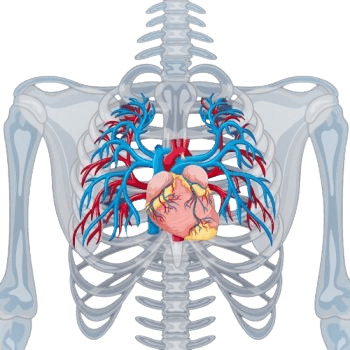
A Thoracic Aortic Aneurysm (TAA) is a balloon-like bulge in the wall of the aorta within the chest.
Over time, this dilation weakens the vessel wall, risking rupture or dissection — both potentially fatal events.
TAAs may develop silently or present with subtle symptoms like chest pain, cough, or back discomfort.
Early detection through imaging and timely repair are crucial for survival.
Overview And Clinical Background
Understanding Thoracic Aortic Aneurysm
A TAA occurs when the upper section of the aorta becomes abnormally dilated due to weakening of its wall.
Causes include genetic disorders, hypertension, trauma, or atherosclerosis.
The risk of rupture increases as the aneurysm enlarges, making early surgical assessment vital.
- Pathogenesis:: Degeneration of the aortic wall's elastic tissue leads to progressive dilation, often exacerbated by uncontrolled blood pressure.
- TAAs are commonly located in the ascending aorta, arch, or descending segment, each posing distinct surgical challenges.
- Clinical importance:: If rupture occurs, mortality exceeds 80%, underscoring the need for vigilant surveillance and elective repair.
Symptoms, Signs And Presentation
Many TAAs are asymptomatic until large or leaking.
When symptomatic, signs are often mistaken for cardiac or respiratory conditions.
- Common symptom:: Deep, constant chest or back pain caused by stretching of the aortic wall.
- Shortness of breath, cough, or hoarseness when the aneurysm compresses nearby structures.
- Red flag:: Sudden severe chest or back pain with low blood pressure may signal impending rupture — a medical emergency.
Diagnosis Methods And Investigations
Imaging And Laboratory Tests
Diagnosis relies on advanced imaging to define aneurysm size, shape, and risk profile.
Early detection allows for elective, safer repair rather than emergency intervention.
- Imaging:: CT angiography and MRI provide detailed visualization of the thoracic aorta and guide surgical planning.
- Lab tests:: Blood pressure monitoring and genetic testing (for Marfan or Ehlers-Danlos syndromes) may reveal predisposing factors.
- Echocardiography helps assess associated aortic valve abnormalities or root dilation.
Treatment Options And Surgical Techniques
Treatment depends on aneurysm size, location, and patient health.
The goal is to prevent rupture by replacing or reinforcing the affected aortic segment.
- Conservative:: Small aneurysms are managed with blood pressure control, lifestyle modification, and regular imaging.
- Minimally invasive options:: Thoracic Endovascular Aortic Repair (TEVAR) places a stent graft to exclude the aneurysm, offering faster recovery.
- Open surgical repair replaces the diseased aortic section with a synthetic graft for long-term durability in eligible patients.
Recovery, Risks And Prognosis
Recovery varies based on procedure type.
TEVAR allows discharge within days, while open repair may require longer hospitalization.
Complications like bleeding or paraplegia are rare but serious.
Lifelong follow-up imaging ensures graft integrity and stability.
Why Choose Us
CureU Healthcare combines advanced imaging, hybrid operating suites, and expert vascular surgeons to treat complex aortic aneurysms.
Our patient-first approach ensures precision repair, personalized care, and strong postoperative outcomes.
Conclusion
Thoracic Aortic Aneurysm, though silent, demands respect and timely management.
CureU Healthcare’s vascular experts deliver life-saving interventions using innovation and compassion.


