Overview
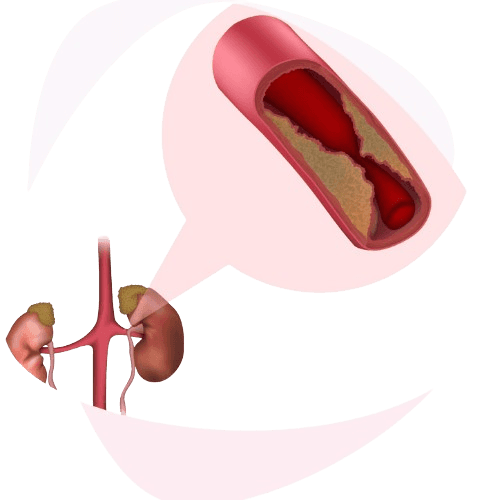
Renal angioplasty is a minimally invasive vascular procedure performed to restore healthy blood flow to the kidneys in patients with narrowed or blocked renal arteries. Reduced circulation to the kidneys can lead to uncontrolled high blood pressure, declining kidney function, and long term vascular complications if left untreated. The procedure uses advanced catheter based techniques to widen the affected artery and improve blood supply to the kidneys, helping stabilize renal function, improve blood pressure control, and reduce the risk of progressive kidney damage.
Key Clinical Highlights
- Minimally Invasive Technique: The procedure restores renal circulation without major open vascular surgery.
- Improved Kidney Perfusion: Enhanced blood flow helps support kidney function and circulation stability.
- Advanced Endovascular Care: Modern catheter and stent technologies improve procedural precision and recovery.
When to Consider
Renal angioplasty is considered for patients with significant renal artery narrowing causing uncontrolled hypertension, worsening kidney function, recurrent pulmonary edema, or reduced kidney blood supply. It may also be recommended for patients who do not respond adequately to blood pressure medications or those experiencing progressive renal impairment linked to vascular disease. Diagnostic imaging showing severe renal artery stenosis along with symptoms of compromised kidney circulation may indicate the need for intervention.
Restore Kidney Circulation and Blood Pressure Stability
The procedure improves blood supply to the kidneys, helping preserve renal function and reduce complications associated with renal artery disease.
- Improves Kidney Blood Flow: Restores circulation to kidneys affected by narrowed arteries.
- Supports Blood Pressure Control: Improved kidney circulation may help stabilize resistant hypertension.
- Protects Kidney Function: Timely treatment may slow progression of vascular related kidney damage.
Symptoms and Indications
- Uncontrolled High Blood Pressure: Persistent hypertension despite medications may indicate renal artery narrowing.
- Reduced Kidney Function: Declining renal performance can occur due to poor kidney circulation.
- Fluid Retention: Swelling or fluid overload may develop in advanced cases.
- Shortness of Breath: Fluid buildup associated with kidney dysfunction may affect breathing.
Types of Renal Angioplasty Restoring Kidney Blood Flow
Balloon Renal Angioplasty
A balloon catheter is used to widen the narrowed renal artery and restore circulation.
- Standard Balloon Angioplasty: Uses balloon expansion alone to improve renal artery blood flow.
Renal Artery Stenting
A vascular stent is placed to maintain long term artery patency after angioplasty.
- Bare Metal Stent: Provides structural support to keep the renal artery open.
- Drug Coated Stent: May help reduce the risk of recurrent arterial narrowing.
Pre-Procedure Preparation
- Renal Imaging: CT angiography or Doppler studies assess renal artery narrowing.
- Blood Investigations: Kidney function and general health are evaluated before intervention.
- Medication Review: Blood pressure and blood thinning medications may be adjusted.
- Fasting: Patients avoid eating before the vascular procedure.
Treatment Stages
- Initial Assessment (Day 1): Kidney and vascular imaging evaluation
- Admission (Week 1): Procedure planning and preparation
- Procedure (Week 2): Renal angioplasty and possible stenting
- Recovery (Day 4): Monitoring and discharge planning
Recovery Guidelines
- Monitor Blood Pressure: Regular blood pressure checks are important after treatment.
- Stay Hydrated: Adequate hydration supports kidney recovery and circulation.
- Take Prescribed Medications: Continue vascular and blood pressure medications as advised.
- Attend Follow Ups: Routine imaging helps evaluate long term artery patency.
Life After Treatment
- Many patients experience improved blood pressure control after treatment.
- Enhanced kidney circulation may help stabilize renal function over time.
- Lifestyle management and regular vascular follow ups support long term recovery.
Modern renal angioplasty helps restore healthy kidney circulation with minimally invasive vascular care.
Potential Risks
- Bleeding: Minor bleeding or bruising may occur at the catheter insertion site.
- Artery Re Narrowing: Some patients may develop recurrent narrowing over time.
- Kidney Function Changes: Temporary kidney function fluctuations may occur after contrast exposure.
Cost Estimation in India
Estimated procedure package range: $3,500 to $7,500 USD.
Package Inclusions:
- Vascular and renal evaluation
- Renal angioplasty procedure
- Stent placement if required
- Hospital stay and monitoring
Global Cost Comparison
- USA: $32,000 USD
- UK: $24,000 USD
- Germany: $21,000 USD
- Thailand: $11,000 USD
- India: $6,000 USD


