Overview
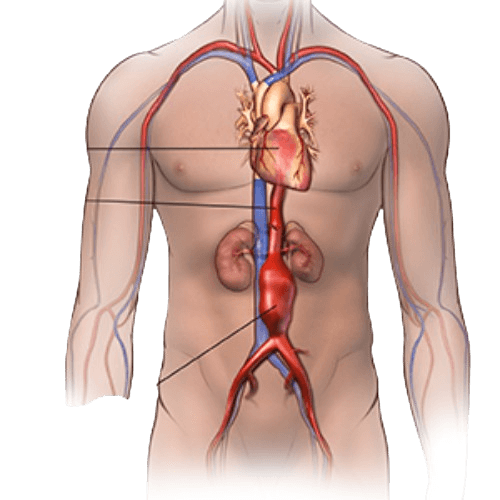
An Abdominal Aortic Aneurysm (AAA) is a localized enlargement of the lower part of the aorta, the main blood vessel that supplies blood to the body.
When the wall weakens, it can expand and, if left untreated, may rupture and cause massive internal bleeding.
Screening and timely surgical or endovascular repair are vital to prevent rupture and improve survival rates.
Overview And Clinical Background
Understanding the weakened vessel wall
AAA develops due to progressive weakening of the aortic wall, often from atherosclerosis or genetic factors.
It typically occurs in older adults, especially men who smoke or have hypertension.
- Pathophysiology:: The aortic wall loses elasticity and strength, leading to gradual dilation that can exceed safe limits.
- Risk factors:: Smoking, age over 65, family history, and chronic hypertension significantly increase the risk.
- Progression:: Aneurysms enlarge over years, and rupture risk grows sharply once the diameter exceeds 5.5 cm.
Symptoms, Signs And Presentation
Most AAAs are silent until they expand or rupture, but some patients notice subtle abdominal or back pain.
A pulsating mass may sometimes be felt on physical examination.
- Silent presentation:: Detected incidentally during imaging for other reasons.
- Pain warning sign:: Dull abdominal or flank pain may indicate rapid expansion or impending rupture.
- Rupture symptoms:: Sudden severe pain, low blood pressure, and collapse demand emergency surgery.
Diagnosis Methods And Investigations
Imaging-based evaluation
Diagnosis and monitoring rely on imaging to measure aneurysm size and plan intervention.
Regular surveillance helps time surgery before rupture risk escalates.
- Ultrasound:: First-line screening method; noninvasive and accurate for size measurement.
- CT angiography:: Provides detailed anatomy, rupture risk assessment, and surgical planning.
- MRI angiography:: Alternative imaging for patients with contrast allergy or kidney impairment.
Treatment Options And Surgical Techniques
Treatment depends on aneurysm size, growth rate, and symptoms.
Surgical intervention can be open or endovascular, both aiming to prevent rupture.
- Medical management:: Blood pressure control, smoking cessation, and routine imaging for small aneurysms.
- Open surgical repair:: A synthetic graft replaces the weakened segment via abdominal incision.
- Endovascular repair (EVAR):: Minimally invasive stent graft placed through femoral arteries seals the aneurysm from inside.
Recovery, Risks And Prognosis
Recovery after surgery varies; EVAR allows faster healing than open repair.
Complications include bleeding, graft leaks, or renal impairment, but modern techniques achieve high success rates.
Why Choose Us
CureU Healthcare provides advanced imaging, vascular specialists, and both open and endovascular options.
Our team emphasizes safety, precision, and long-term surveillance to ensure durable outcomes.
Conclusion
Abdominal Aortic Aneurysm is manageable when identified early.
With skilled vascular intervention at CureU Healthcare, rupture can be prevented and quality of life preserved.


