Overview
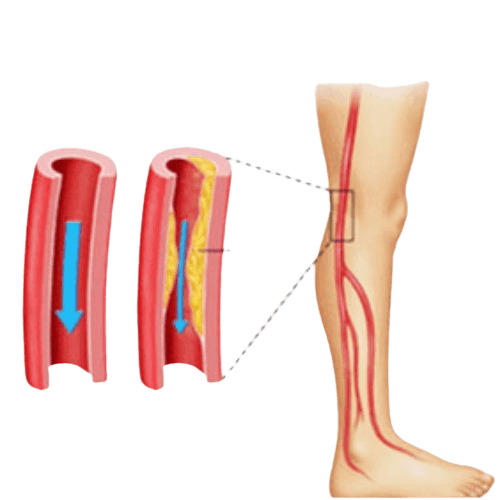
Peripheral vascular surgery includes a range of operations to repair, reconstruct, or bypass damaged arteries and veins outside the heart and brain.
It’s typically recommended when non-surgical treatments like angioplasty are no longer sufficient.
These surgeries restore blood flow to the limbs, prevent gangrene, and improve walking capacity.
With modern techniques and better anesthesia, patients recover faster and benefit from long-term relief and limb preservation.
Overview And Clinical Background
Peripheral vascular surgery is a cornerstone of advanced vascular care.
It involves either bypassing blocked arteries using vein grafts or reconstructing damaged vessels to re-establish blood flow.
These operations are life- and limb-saving in patients with severe arterial disease where less invasive options are inadequate.
- Indication:: Recommended for patients with critical limb ischemia, extensive arterial blockages, or aneurysms that threaten circulation. Surgery helps salvage limbs and improve function.
- Bypass grafts may use the patient’s own vein or a synthetic conduit to route blood around the blockage and supply oxygenated blood to deprived tissues.
- Goal:: To restore sustainable circulation, promote wound healing, relieve rest pain, and prevent limb amputation or tissue necrosis.
Symptoms, Signs And Presentation
Candidates for vascular surgery often have advanced peripheral arterial disease with persistent symptoms despite medical and endovascular therapy.
Recognizing late signs is vital to prevent irreversible tissue loss.
- Common symptom:: Severe pain in legs or feet even at rest, indicating critical reduction in blood flow. It often worsens at night and may disturb sleep.
- Darkening of skin, cold toes, non-healing ulcers, and loss of sensation due to chronic oxygen deprivation in tissues.
- Red flag:: Gangrene or tissue death—when parts of the limb turn black or emit foul odor—requires urgent vascular surgery to prevent amputation.
Diagnosis Methods And Investigations
Imaging And Laboratory Tests
Before surgery, detailed vascular imaging is crucial to map the extent of arterial disease and plan the operation accurately.
General health assessment ensures the patient can safely undergo anesthesia and recovery.
- Imaging:: CT angiography, MR angiography, and duplex scans provide a roadmap of the vessels. These help surgeons identify precise blockage sites, vessel quality, and potential graft paths.
- Lab tests:: Blood counts, kidney function, and clotting profiles ensure fitness for surgery and safe use of anesthesia and contrast agents.
- Cardiac evaluation and chest imaging assess overall cardiovascular health, as many vascular patients have coexisting heart disease.
Treatment Options And Surgical Techniques
Peripheral vascular surgery covers several advanced techniques aimed at restoring durable blood flow.
The approach depends on disease location, patient health, and vessel condition.
- Conservative:: For mild cases, medical management and wound care continue under strict monitoring. Regular foot care and pressure offloading reduce the risk of progression.
- Minimally invasive options:: Hybrid procedures combining open and endovascular techniques allow limited incisions and faster recovery. Endarterectomy may remove plaque directly from the artery wall.
- Bypass grafting remains the gold standard for severe disease, offering durable flow restoration using vein or synthetic grafts to reroute blood around obstructions.
Recovery, Risks And Prognosis
Recovery time varies depending on surgery complexity and overall health.
Most patients stay in hospital for several days, followed by gradual rehabilitation.
Risks include infection, graft occlusion, or bleeding, but success rates are high with proper follow-up.
With modern surgical techniques and vigilant care, limb salvage and quality of life improve significantly.
Why Choose Us
CureU Healthcare’s vascular surgeons specialize in complex limb salvage procedures, using advanced graft materials and hybrid techniques.
Our team provides multidisciplinary care covering surgery, wound management, and rehabilitation, ensuring both safety and sustained recovery.
Conclusion
Peripheral vascular surgery represents the highest level of vascular care for patients with critical blood flow impairment.
With skilled hands and holistic care, it restores circulation, preserves limbs, and redefines recovery possibilities for patients once facing amputation.


