Overview
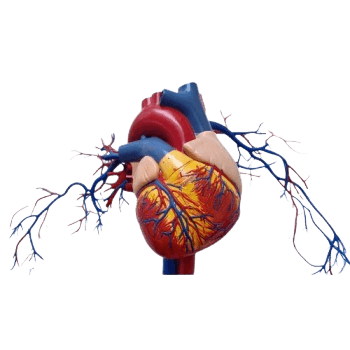
Transposition of the Great Arteries (TGA) is a congenital defect in which the two main arteries leaving the heart are reversed.
This causes oxygen-poor blood to circulate through the body and oxygen-rich blood to recirculate in the lungs.
Surgery is required soon after birth to restore normal circulation, ensuring the baby receives adequate oxygen for survival and development.
Overview And Clinical Background
Understanding TGA Surgery
In TGA, the aorta arises from the right ventricle and the pulmonary artery from the left — the reverse of normal anatomy.
This condition prevents oxygen from reaching the body efficiently.
Surgical correction, usually the arterial switch operation, is performed within the first weeks of life.
- Condition explained:: Due to arterial reversal, the baby’s systemic and pulmonary circulations are disconnected, causing severe cyanosis (bluish skin).
- Prostaglandin infusion and balloon atrial septostomy may be used before surgery to temporarily improve oxygenation.
- Goal of surgery:: To reattach the great arteries to their correct ventricles, ensuring normal blood oxygenation and heart function.
Symptoms, Signs And Presentation
TGA is typically detected soon after birth.
Without surgery, infants develop profound cyanosis, rapid breathing, and poor feeding.
- Common symptom:: Bluish discoloration of lips and skin (cyanosis) evident within hours of birth.
- Difficulty breathing and poor feeding due to inadequate systemic oxygen delivery.
- Red flag:: Sudden deterioration or unresponsiveness in a newborn with known heart defect requires immediate emergency care.
Diagnosis Methods And Investigations
Imaging And Laboratory Tests
Diagnosis is confirmed through cardiac imaging.
Early and accurate identification enables prompt surgical correction and survival.
- Imaging:: Echocardiography clearly shows arterial connections and helps plan surgical correction.
- Lab tests:: Oxygen saturation monitoring and blood gas analysis evaluate the severity of hypoxemia.
- Chest X-ray and ECG provide additional cardiac structural and rhythm information before surgery.
Treatment Options And Surgical Techniques
Definitive treatment is surgical correction — the arterial switch operation.
The aorta and pulmonary arteries are repositioned to their proper ventricles.
Coronary arteries are also reimplanted to maintain heart perfusion.
- Conservative:: Before surgery, prostaglandin and supplemental oxygen keep the ductus arteriosus open, improving temporary circulation.
- Minimally invasive options:: None; surgery is the only definitive treatment for complete TGA.
- The arterial switch operation has excellent long-term outcomes, allowing near-normal heart function into adulthood.
Recovery, Risks And Prognosis
Recovery involves ICU care with gradual stabilization.
Risks include arrhythmias, coronary complications, or valve issues, but survival rates exceed 95%.
Most children live healthy lives with regular follow-up and normal growth milestones.
Why Choose Us
CureU Healthcare’s pediatric cardiac surgeons specialize in neonatal arterial switch operations.
Our NICU team provides round-the-clock monitoring, post-operative cardiac care, and family-centered support ensuring excellent long-term outcomes.
Conclusion
Transposition of the Great Arteries surgery transforms survival chances for newborns with complex heart anatomy.
CureU Healthcare stands as a center of excellence for advanced neonatal cardiac repair and lifelong care.


