Overview
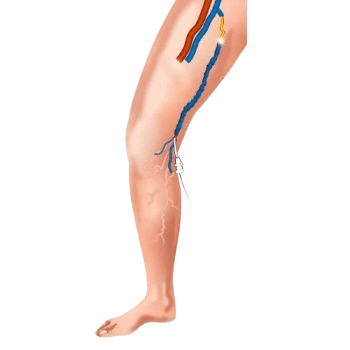
Varicose veins ablation is a modern, minimally invasive procedure that treats enlarged, twisted veins by closing them from within.
Using laser or radiofrequency energy, the diseased vein is sealed shut, allowing blood to reroute through healthier veins.
This results in improved leg circulation, reduced swelling, and enhanced cosmetic appearance with minimal downtime.
Overview And Clinical Background
Understanding Varicose Veins Ablation
This technique targets the root cause of varicose veins — venous insufficiency.
It provides an alternative to surgical stripping, offering similar results with much faster recovery.
The procedure is performed under local anesthesia with real-time ultrasound guidance.
- Procedure aim:: To eliminate refluxing superficial veins responsible for venous hypertension, thereby relieving symptoms and improving aesthetics.
- The ablation process involves inserting a catheter into the vein and using controlled energy to heat and seal its walls, permanently closing it.
- Result:: Once closed, blood naturally redirects to nearby healthy veins, improving overall circulation and comfort.
Symptoms, Signs And Presentation
Varicose veins commonly present with heaviness, aching, swelling, or visible bulging veins in the legs.
Prolonged standing can worsen symptoms, and in advanced stages, skin changes or ulcers may occur.
- Common symptom:: Leg discomfort, throbbing, or burning sensation after long hours of standing or walking.
- Visible rope-like veins on the calves or thighs accompanied by ankle swelling or skin darkening.
- Red flag:: Non-healing ulcers, sudden leg pain, or swelling may indicate deep vein thrombosis and require urgent evaluation.
Diagnosis Methods And Investigations
Ultrasound and Clinical Assessment
Diagnosis begins with a detailed clinical evaluation followed by duplex ultrasound mapping to identify venous reflux patterns.
Accurate localization ensures targeted and effective treatment.
- Imaging:: Duplex Doppler ultrasound maps vein structure and detects faulty valves contributing to reflux.
- Lab tests:: Routine preoperative tests ensure patient safety, while coagulation profiles assess bleeding risk.
- In some cases, vein mapping software is used to assist in treatment planning and long-term tracking.
Treatment Options And Surgical Techniques
Varicose vein ablation can be performed using endovenous laser therapy (EVLT) or radiofrequency ablation (RFA).
Both methods are outpatient procedures with rapid recovery and minimal scarring.
- Conservative:: Compression stockings and leg elevation help relieve mild symptoms in early cases.
- Minimally invasive options:: Endovenous ablation closes the vein from inside without incisions, providing fast relief and cosmetic improvement.
- Advanced surgical methods are reserved for extensive or recurrent varicose veins not suitable for ablation.
Recovery, Risks And Prognosis
Most patients walk immediately after the procedure and return to routine activity within a day.
Mild bruising or tightness may occur but resolves quickly.
Long-term results show high satisfaction with durable relief from symptoms.
Why Choose Us
CureU Healthcare uses the latest endovenous ablation technology with experienced vascular surgeons.
Our precise imaging, tailored care plans, and focus on cosmetic results ensure excellent outcomes and fast recovery.
Conclusion
Varicose veins ablation is a safe, effective, and elegant solution for venous insufficiency.
CureU Healthcare provides advanced care that combines expertise, technology, and compassion for confident recovery.


