Overview
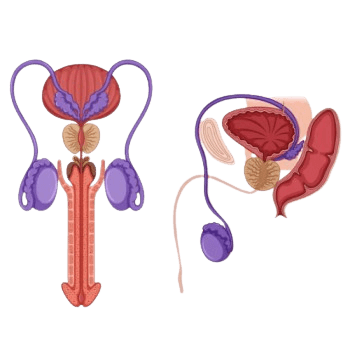
Varicocele is a condition where the veins inside the scrotum, known as the pampiniform plexus, become enlarged due to faulty valves or poor blood flow.
This leads to pooling of blood, causing warmth, heaviness, and sometimes pain in the scrotum.
Over time, it may impair sperm production or reduce testicular function, making early diagnosis and management important.
Overview And Clinical Background
Understanding Varicocele and Its Causes
Varicocele is comparable to varicose veins in the legs but occurs in the scrotum.
It often develops during puberty when blood flow to the testes increases.
The condition is more common on the left side due to anatomical reasons related to venous drainage patterns.
- Pathophysiology:: Incompetent valves within the spermatic vein cause blood to pool, leading to venous dilation around the testicle. -br This increases scrotal temperature and can impair sperm formation over time.
- The condition can be asymptomatic for years, detected only during infertility evaluation or physical examination.
- Risk factors:: Adolescent males, tall individuals, or those with increased intra-abdominal pressure due to physical strain are more susceptible.
Symptoms, Signs And Presentation
Varicocele typically presents with a dragging discomfort or dull ache in the scrotum, especially after prolonged standing or physical exertion.
Some men notice visible enlarged veins or a feeling of heaviness in the affected side.
- Common symptom:: A dull aching pain in the scrotum that worsens by the end of the day or after standing for long periods.
- Visible or palpable twisted veins around the testicle, often described as feeling like a 'bag of worms'.
- Red flag:: Sudden onset scrotal pain or swelling may indicate a different acute condition and needs urgent medical attention.
Diagnosis Methods And Investigations
Physical Examination And Imaging
Diagnosis is mainly clinical but supported by imaging to confirm venous dilation and rule out other causes of scrotal swelling.
A proper evaluation helps guide whether intervention is needed.
- Imaging:: Doppler ultrasound is the gold standard, showing reversed or sluggish blood flow in the pampiniform plexus veins.
- Lab tests:: Semen analysis assesses sperm count and motility in cases of infertility, while hormonal tests evaluate testicular function.
- In rare cases, CT or MRI may be used to exclude renal or retroperitoneal causes of venous compression.
Treatment Options And Surgical Techniques
Treatment depends on symptoms and fertility goals.
Mild, asymptomatic varicoceles may not require intervention, while those affecting comfort or sperm quality often benefit from surgical correction.
- Conservative:: Supportive underwear and avoiding prolonged standing can relieve mild symptoms in early stages.
- Minimally invasive options:: Varicocele embolization seals the abnormal veins using coils or agents through a small catheter, requiring minimal recovery time.
- Microsurgical varicocelectomy remains the most definitive treatment, offering excellent long-term results and improved fertility outcomes.
Recovery, Risks And Prognosis
Recovery from surgery is usually rapid, with patients resuming normal activity within a few days.
Risks are minimal, including rare recurrence or hydrocele formation.
Fertility often improves over 3 to 6 months post-surgery.
Why Choose Us
CureU Healthcare’s vascular and andrology teams specialize in precision varicocele management.
Using advanced microsurgical and radiological techniques, we provide treatment that’s safe, effective, and designed for lasting comfort and fertility restoration.
Conclusion
Varicocele is a common but treatable condition that can affect both comfort and fertility.
With expert care and tailored treatment at CureU Healthcare, patients can expect quick recovery and improved quality of life.


