Overview
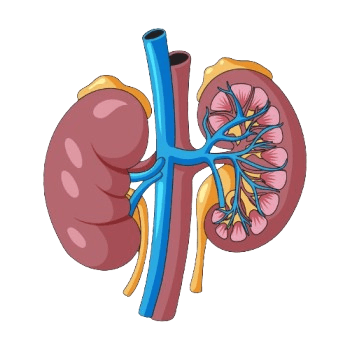
Renal Vein Thrombosis (RVT) occurs when a blood clot forms in the vein responsible for draining the kidney.
This blockage restricts blood flow, increasing venous pressure and potentially leading to kidney damage or failure.
RVT can be acute or chronic and is often associated with conditions like dehydration, nephrotic syndrome, trauma, or underlying malignancy.
Early recognition and management are crucial to preserving kidney health and preventing systemic complications.
Overview And Clinical Background
Understanding Renal Vein Thrombosis
RVT is a vascular condition characterized by obstruction of the renal vein by a thrombus.
It can affect one or both kidneys and may develop suddenly or gradually depending on the cause.
The clot impedes venous drainage, causing renal congestion and, in severe cases, infarction.
- Pathophysiology:: The clot increases venous pressure in the kidney, reducing filtration efficiency and potentially damaging nephrons. -br Left untreated, this can impair kidney function or lead to secondary hypertension.
- More common on the left side due to anatomical differences and potential compression between the superior mesenteric artery and the aorta.
- Clinical relevance:: Can occur in adults due to nephrotic syndrome or in newborns as a complication of dehydration and sepsis.
Symptoms, Signs And Presentation
Symptoms vary with the speed of clot formation and the extent of obstruction.
Acute RVT presents dramatically, while chronic cases may be subtle and discovered incidentally.
- Common symptom:: Flank pain and sudden onset of blood in urine (hematuria) caused by venous congestion and inflammation.
- Swelling in the lower limbs or abdominal discomfort due to venous hypertension.
- Red flag:: Sudden decline in kidney function or sharp rise in blood pressure signals acute thrombosis requiring immediate intervention.
Diagnosis Methods And Investigations
Imaging And Laboratory Tests
Accurate diagnosis relies on a combination of imaging studies and lab assessments that identify the clot and evaluate kidney function.
- Imaging:: Doppler ultrasound or CT renal venography confirms clot presence and assesses flow obstruction. MRI venography may also be used for detailed visualization.
- Lab tests:: Urinalysis may show hematuria or proteinuria, while serum creatinine indicates kidney function compromise. Coagulation studies identify underlying clotting disorders.
- In select cases, renal biopsy or venography aids in clarifying chronicity and extent of damage.
Treatment Options And Surgical Techniques
Management depends on the cause, extent, and acuteness of the thrombosis.
The goal is to restore blood flow, protect kidney tissue, and prevent further clot propagation.
- Conservative:: Anticoagulant therapy remains the cornerstone of management, preventing new clot formation and promoting gradual recanalization of the vein.
- Minimally invasive options:: Catheter-directed thrombolysis or thrombectomy may be used to dissolve or extract the clot in acute cases when renal function is at risk.
- Surgical intervention, including renal vein resection or bypass, is rarely required but can be lifesaving in extensive thrombosis with bilateral involvement.
Recovery, Risks And Prognosis
Recovery depends on underlying cause and timeliness of treatment.
With early therapy, renal function often recovers completely.
Delayed diagnosis may lead to chronic kidney disease or persistent hypertension.
Lifelong anticoagulation may be necessary in patients with inherited clotting disorders.
Why Choose Us
CureU Healthcare’s vascular specialists provide tailored management for RVT using advanced imaging, interventional expertise, and evidence-based therapy.
Our integrated nephrology and vascular teams ensure rapid diagnosis, safe anticoagulation, and preservation of kidney function with minimal complication risk.
Conclusion
Renal Vein Thrombosis, though rare, can cause serious kidney impairment if untreated.
Early detection and specialized care at CureU Healthcare allow most patients to regain full kidney function and long-term stability.


