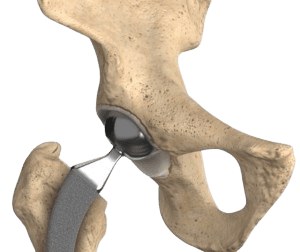
Overview
Partial Hip Replacement Surgery, also known as hemiarthroplasty, is an advanced orthopedic procedure performed to replace the damaged or fractured femoral head while preserving the natural hip socket. The surgery is commonly recommended for elderly patients with hip fractures, traumatic injuries, or localized joint damage that significantly affects mobility and daily function. By replacing only the affected portion of the hip joint, the procedure helps relieve pain, restore stability, and improve walking ability while minimizing unnecessary removal of healthy bone structures. Modern surgical techniques and advanced implant systems have improved recovery outcomes, reduced postoperative complications, and enhanced long term mobility for patients requiring partial hip reconstruction.
Key Clinical Highlights
- Bone Preserving Approach: Only the damaged femoral head is replaced while preserving the natural hip socket.
- Improved Early Mobility: The procedure helps patients regain walking ability and physical independence sooner.
- Advanced Implant Stability: Modern implant systems improve joint support and long term functional outcomes.
When to Consider
Partial Hip Replacement Surgery is considered when patients experience severe hip fractures, persistent hip pain, inability to bear weight, or reduced mobility due to trauma or localized joint damage that cannot be effectively treated with conservative management. The procedure is commonly recommended for elderly individuals with displaced femoral neck fractures, particularly when restoring early mobility and reducing complications from prolonged bed rest are major priorities. Early orthopedic evaluation is important to prevent worsening disability, blood clots, muscle weakness, and other complications associated with untreated hip injuries.
Restore Hip Stability and Mobility
The surgery helps reduce pain, restore movement, and improve walking ability after hip damage or fractures.
- Pain Relief: Replacing the damaged femoral head helps reduce severe hip pain during movement.
- Improved Walking Ability: Restored hip stability supports safer walking and daily mobility.
- Reduced Immobility Complications: Early movement helps lower risks associated with prolonged bed rest.
Symptoms and Indications
- Severe Hip Pain: Pain around the hip or groin may worsen after fractures or joint damage.
- Difficulty Standing or Walking: Hip instability can make weight bearing difficult or impossible.
- Restricted Hip Movement: Joint damage may limit flexibility and normal hip function.
- Leg Shortening or Deformity: Certain hip fractures can alter leg alignment and balance.
Types of Partial Hip Replacement Surgery
Cemented Partial Hip Replacement
Uses bone cement to secure the prosthetic implant for enhanced stability.
- Standard Cemented Implant: Commonly used in elderly patients with weaker bone quality.
- Bipolar Cemented Prosthesis: Provides smoother movement and reduced joint stress.
Uncemented Partial Hip Replacement
Allows natural bone growth around the implant for fixation.
- Press Fit Implant: Designed for patients with stronger bone support.
- Porous Coated Prosthesis: Encourages biological integration with surrounding bone.
Pre-Procedure Preparation
- Hip Imaging: X rays and scans evaluate fracture severity and joint condition.
- Medical Assessment: General health and anesthesia fitness are carefully reviewed.
- Implant Planning: The orthopedic team selects the appropriate implant design.
- Preoperative Instructions: Patients receive fasting and medication adjustment guidance.
Treatment Stages
- Orthopedic Assessment (Day 1): Hip examination and fracture imaging
- Preoperative Preparation (Week 1): Implant planning and medical optimization
- Surgery (Week 2): Partial hip joint reconstruction procedure
- Rehabilitation (Week 4): Walking support and physiotherapy recovery
Recovery Guidelines
- Begin Early Mobilization: Walking with support helps improve circulation and recovery.
- Attend Physiotherapy: Structured rehabilitation improves strength and balance.
- Prevent Falls: Assistive devices and home safety measures reduce injury risk.
- Follow Orthopedic Reviews: Regular monitoring helps evaluate implant stability and healing.
Life After Treatment
- Many patients regain improved mobility and independence after recovery.
- Early physiotherapy supports stronger hip function and walking ability.
- Modern implant systems help patients achieve better comfort and long term joint stability.
Partial hip replacement can restore movement and improve quality of life while preserving healthy portions of the natural hip joint.
Potential Risks
- Hip Dislocation: Improper joint movement during recovery may increase dislocation risk.
- Infection: Postoperative infections are uncommon but may require additional treatment.
- Blood Clots: Reduced movement after surgery may increase clot formation risk without prevention measures.
Cost Estimation in India
Estimated procedure package range: $5,000 to $11,000 USD.
Package Inclusions:
- Orthopedic consultation and imaging
- Partial hip replacement implant surgery
- Hospital stay and surgical charges
- Postoperative rehabilitation and physiotherapy
Global Cost Comparison
- USA: $38,000 USD
- UK: $28,000 USD
- Germany: $26,000 USD
- Thailand: $17,000 USD
- India: $8,500 USD