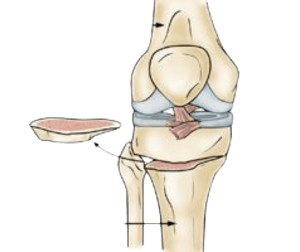
Overview
Osteotomy is a precise orthopedic procedure designed to correct bone alignment and redistribute mechanical load across a joint. It is most commonly performed in patients with early-stage osteoarthritis, knee or hip malalignment, or deformities such as bow legs or knock knees. Instead of replacing the joint, the surgeon reshapes and repositions the bone to shift pressure away from damaged cartilage areas, helping reduce pain and improve joint function. This joint-preserving approach can significantly delay the need for joint replacement surgery while maintaining natural joint movement.
Key Clinical Highlights
- Joint Preservation Strategy: Focuses on preserving the natural joint by correcting alignment instead of replacing it.
- Load Redistribution: Shifts pressure from damaged cartilage to healthier areas of the joint.
- Delay in Joint Replacement: Helps postpone the need for artificial joint replacement in younger patients.
When to Consider
Osteotomy is recommended when patients experience localized joint pain due to misalignment of the bone structure, especially in early osteoarthritis where only one side of the joint is affected. It is also suitable for individuals with bow legs, knock knees, or hip misalignment that leads to uneven weight distribution. This procedure is ideal for younger or physically active patients who wish to delay joint replacement surgery and maintain their natural joint. It is considered after non-surgical treatments such as physiotherapy, medications, and lifestyle modification fail to provide sufficient relief.
Correct Bone Alignment and Reduce Joint Stress
Osteotomy is performed to correct structural deformities and redistribute weight across the joint, reducing pain and slowing degeneration.
- Pain Reduction: Reduces pressure on the damaged part of the joint.
- Slows Arthritis Progression: Helps delay worsening of cartilage damage over time.
- Preserves Natural Joint: Delays or avoids the need for joint replacement surgery.
Symptoms and Indications
- Localized Joint Pain: Pain concentrated on one side of the joint during movement or weight bearing.
- Leg Deformity: Visible bowing or angular deformity of the leg.
- Difficulty Walking: Uneven gait or discomfort during movement.
- Joint Stiffness: Reduced flexibility and range of motion in the joint.
Types of Osteotomy Surgery (Bone Realignment Surgery)
Knee Osteotomy
Performed around the knee to correct bow legs or knock knees and redistribute load.
- High Tibial Osteotomy: Correction performed on the upper shin bone to offload the knee joint.
- Distal Femoral Osteotomy: Correction performed on the thigh bone for alignment adjustment.
Opening and Closing Wedge Osteotomy
Different techniques used to correct bone alignment by either opening or removing a bone wedge.
- Opening Wedge Technique: Bone is opened and a graft or spacer is inserted for correction.
- Closing Wedge Technique: A small bone segment is removed to realign the limb.
Pre-Procedure Preparation
- Imaging Tests: X-rays and scans to evaluate bone alignment and joint condition.
- Alignment Analysis: Measurement of mechanical axis deviation.
- Surgical Planning: Determining correction angle and fixation method.
- Preoperative Preparation: Anesthesia evaluation and medical clearance.
Treatment Stages
- Diagnosis (Day 1): Clinical examination and imaging to assess joint alignment
- Surgical Planning (Week 1): 3D planning to determine correction angle and technique
- Surgery (Week 2): Bone cutting, realignment, and fixation with implants
- Rehabilitation (2–4 months): Physiotherapy to restore strength and mobility
Recovery Guidelines
- Follow Physiotherapy Strictly: Essential for restoring mobility and strength.
- Avoid Excess Weight Bearing: Protects the healing bone during early recovery.
- Use Walking Support: Crutches or support devices may be needed initially.
- Regular Follow-ups: Ensures proper bone healing and alignment maintenance.
Life After Treatment
- Improved joint alignment and reduced pain.
- Better walking pattern and mobility.
- Delay in need for joint replacement surgery.
Osteotomy restores proper alignment and helps patients maintain their natural joint function for many years.
Potential Risks
- Delayed Bone Healing: Bone may take longer than expected to heal in some cases.
- Loss of Correction: Rare risk of partial loss of alignment over time.
- Postoperative Pain: Temporary pain during recovery phase.
Cost Estimation in India
Estimated procedure package range: $6,000 to $15,000 USD.
Package Inclusions:
- Pre-surgical imaging and alignment analysis
- Osteotomy surgical procedure
- Bone fixation with plates and screws
- Hospital stay and anesthesia care
- Postoperative physiotherapy and rehabilitation
Global Cost Comparison
- USA: $30,000 USD
- UK: $25,000 USD
- Germany: $22,000 USD
- Thailand: $14,000 USD
- India: $10,000 USD