Overview
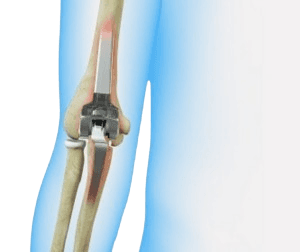
Elbow replacement surgery, also known as total elbow arthroplasty, is an advanced surgical procedure designed to replace a damaged or worn elbow joint with artificial components. The procedure is typically recommended for patients experiencing severe pain, stiffness, or functional limitation due to arthritis, trauma, or joint degeneration. During the surgery, the damaged portions of the humerus and ulna are removed and replaced with prosthetic implants made of metal and medical-grade plastic, restoring joint alignment and movement. This procedure helps relieve chronic pain, improve range of motion, and enhance overall arm function, allowing patients to regain independence in daily activities.
Key Clinical Highlights
- Advanced Implant Design: Modern prosthetic joints are designed to mimic natural elbow movement and improve durability.
- Pain Relief Focus: Effectively reduces chronic joint pain caused by arthritis or severe injury.
- Functional Restoration: Helps restore arm mobility and improves the ability to perform daily tasks.
When to Consider
Elbow replacement surgery is considered when patients experience persistent elbow pain, stiffness, or loss of function that significantly affects daily activities and does not respond to non-surgical treatments. It is commonly recommended for advanced rheumatoid arthritis, severe osteoarthritis, complex fractures that cannot be reconstructed, joint deformities, or failed previous surgeries. Patients with chronic instability or progressive joint damage that limits arm movement and quality of life may also benefit from this procedure.
Restore Joint Function and Relieve Pain
Elbow replacement surgery is essential for patients with severe joint damage where other treatments fail to restore mobility and comfort.
- Pain Reduction: Eliminates chronic pain caused by joint degeneration or injury.
- Improved Mobility: Restores range of motion and flexibility of the elbow joint.
- Enhanced Quality of Life: Allows patients to return to normal daily activities with minimal discomfort.
Symptoms and Indications
- Chronic Elbow Pain: Persistent pain that worsens with movement or activity.
- Joint Stiffness: Difficulty bending or straightening the elbow.
- Swelling: Inflammation around the elbow joint.
- Limited Function: Reduced ability to perform daily arm movements.
Types of Elbow Replacement Surgery
Total Elbow Replacement
Entire elbow joint is replaced with artificial components to restore full function.
- Linked Implant: Components are connected for added stability in weak ligaments.
- Unlinked Implant: Separate components rely on natural ligaments for joint stability.
Partial Elbow Replacement
Only damaged part of the joint, such as the radial head, is replaced.
- Radial Head Replacement: Replaces the head of the radius bone in cases of fracture or damage.
Pre-Procedure Preparation
- Medical Evaluation: Physical exam, imaging, and blood tests before surgery.
- Medication Review: Adjust medications to reduce surgical risks.
- Fasting: Avoid food before surgery as instructed.
- Home Planning: Prepare living space for limited arm movement after surgery.
Treatment Stages
- Pre Arrival (Day 1): Consultation and imaging evaluation
- Admission (Week 1): Preoperative tests and preparation
- Surgery (Week 2): Elbow joint replacement procedure
- Recovery (Weeks 3-8): Rehabilitation and follow-up care
Recovery Guidelines
- Protect Joint: Avoid heavy lifting to prevent implant damage.
- Physiotherapy: Follow rehabilitation exercises to regain mobility.
- Wound Care: Keep surgical site clean and dry.
- Regular Follow-up: Monitor implant condition and healing progress.
Life After Treatment
- Significant reduction in joint pain after recovery.
- Improved ability to perform daily activities.
- Long-term implant function with proper care.
Elbow replacement can restore independence by relieving pain and improving joint function in severely damaged elbows.
Potential Risks
- Infection: May occur at surgical site but treatable with care.
- Implant Loosening: Artificial joint may wear out over time.
- Nerve Injury: Rare nerve damage may cause weakness or numbness.
Cost Estimation in India
Estimated procedure package range: $6,000 to $12,000 USD.
Package Inclusions:
- Pre-surgery tests
- Elbow replacement procedure
- Hospital stay
- Surgeon fees
Global Cost Comparison
- USA: $35,000 USD
- UK: $25,000 USD
- Germany: $22,000 USD
- Thailand: $14,000 USD
- India: $8,000 USD