Overview
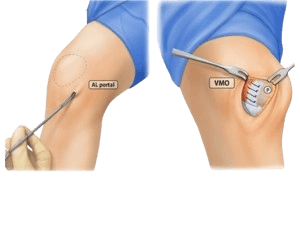
Lateral retinacular release surgery is a minimally invasive orthopedic procedure performed to relieve excessive tightness of the lateral retinaculum surrounding the kneecap. The condition can pull the patella abnormally toward the outer side of the knee, causing pain, instability, cartilage irritation, and difficulty during movement. The surgery aims to restore better patellar alignment, reduce pressure on the knee joint, and improve smooth tracking of the kneecap during walking, bending, and physical activity. This procedure is commonly recommended for patients with chronic anterior knee pain, patellar maltracking, or recurrent kneecap instability that does not improve with physiotherapy and conservative management.
Key Clinical Highlights
- Arthroscopic Precision: Minimally invasive techniques improve patellar alignment with reduced tissue trauma.
- Enhanced Knee Tracking: Releasing tight tissues supports smoother kneecap movement during activity.
- Faster Rehabilitation: Modern rehabilitation protocols help restore strength and knee mobility efficiently.
When to Consider
Lateral retinacular release surgery is considered when patients experience persistent pain around the kneecap, recurrent patellar maltracking, knee instability, or cartilage irritation despite conservative treatment such as physiotherapy, bracing, medications, and activity modification. It is often recommended for individuals with tight lateral retinacular structures causing abnormal patellar movement, especially when symptoms interfere with walking, climbing stairs, sports participation, or daily activities. Early orthopedic evaluation can help prevent worsening cartilage degeneration and chronic patellofemoral dysfunction.
Improve Patellar Alignment and Reduce Knee Pain
The surgery helps rebalance kneecap movement, reduce joint pressure, and improve functional knee stability.
- Relieves Knee Pain: Reducing excessive lateral tension helps decrease pressure related pain around the kneecap.
- Improves Patellar Tracking: Balanced soft tissue support enhances smoother kneecap movement.
- Supports Joint Preservation: Correcting maltracking may help reduce long term cartilage wear.
Symptoms and Indications
- Anterior Knee Pain: Pain around the front of the knee is a common symptom of patellar maltracking.
- Kneecap Instability: The patella may shift abnormally during movement or activity.
- Clicking Sensation: Abnormal kneecap movement can produce clicking or grinding sensations.
- Difficulty Climbing Stairs: Pain and instability may worsen during stair climbing or squatting.
Types of Lateral Retinacular Release Surgery
Isolated Lateral Release
Performed to relieve excessive lateral tension causing patellar maltracking.
- Arthroscopic Release: Minimally invasive release performed using small arthroscopic instruments.
- Targeted Soft Tissue Release: Focused correction of tight lateral retinacular fibers.
Combined Patellar Stabilization
Performed with additional stabilization procedures for complex instability cases.
- Lateral Release with MPFL Reconstruction: Combines soft tissue balancing with ligament reconstruction.
- Cartilage Preservation Procedures: Addresses associated cartilage damage within the kneecap joint.
Pre-Procedure Preparation
- MRI and Imaging: Scans assess patellar alignment and cartilage condition.
- Physical Examination: Orthopedic evaluation identifies instability and soft tissue tightness.
- Physiotherapy Assessment: Muscle strength and knee mechanics are reviewed before surgery.
- Medical Clearance: Routine testing ensures safe anesthesia and surgical readiness.
Treatment Stages
- Orthopedic Evaluation (Day 1): Knee examination and imaging studies
- Preoperative Planning (Week 1): Assessment of patellar tracking and instability
- Surgery (Week 2): Arthroscopic lateral retinacular release procedure
- Recovery (Week 4): Physiotherapy and progressive strengthening
Recovery Guidelines
- Follow Physiotherapy Protocols: Structured rehabilitation helps restore knee strength and alignment.
- Avoid High Impact Activity: Excessive strain should be avoided during early healing stages.
- Control Swelling: Ice application and elevation help reduce postoperative swelling.
- Maintain Follow Up Visits: Regular orthopedic review monitors knee stability and recovery progress.
Life After Treatment
- Many patients experience improved kneecap stability and reduced pain after surgery.
- Consistent rehabilitation supports stronger knee mechanics and long term joint function.
- Modern arthroscopic treatment helps patients return gradually to sports and physical activity.
Restoring balanced patellar movement can significantly improve knee comfort, stability, and functional mobility.
Potential Risks
- Residual Instability: Some patients may continue to experience mild patellar instability after surgery.
- Joint Stiffness: Temporary stiffness can occur during the recovery period.
- Swelling or Bleeding: Minor postoperative swelling or bleeding may occasionally develop.
Cost Estimation in India
Estimated procedure package range: $3,500 to $7,500 USD.
Package Inclusions:
- Orthopedic consultation and imaging
- Arthroscopic knee surgery
- Hospital stay and surgical charges
- Postoperative physiotherapy
Global Cost Comparison
- USA: $22,000 USD
- UK: $18,000 USD
- Germany: $16,000 USD
- Thailand: $10,000 USD
- India: $5,500 USD