Orthopedic Surgery Treatments & Procedures in India

Orthopedic Surgery
Amputation- Above Knee
Above-Knee Amputation is a surgical procedure that is performed to remove the leg above the knee joint. This surgery is often done due to serious health problems, such as peripheral vascular disease, which can lead to a stoppage of blood flow, ultimately resulting in life-threatening tissue damage or death of tissues. Additionally, another cause for performing this surgery is untreatable foot or leg ulcers, which are mainly observed in diabetic patients or as a result of severe accidents. Furthermore, this procedure is considered the last resort after other treatments have been attempted, as the decision is extremely difficult for the patient. Consequently, it requires a great deal of mental balance, emotional stability, and physical health.
Orthopedic Surgery
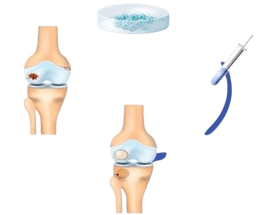
Autologous Chondrocyte Implantation
Autologous Chondrocyte Implantation (ACI) is a procedure that treats articular cartilage issues of the knee. Specifically, this procedure involves treating and repairing cartilage damage in small areas that may lead to pain, swelling, or affect the functioning of the knee. However, patients with severe knee arthritis are not recommended for Autologous Chondrocyte Implantation. Additionally, Autologous Chondrocyte Implantation in India is a two-stage procedure. Let's understand it step-by-step.
Orthopedic Surgery
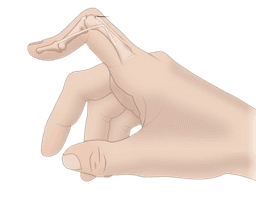
Boutonniere Deformity
Boutonniere deformity is a condition that turns out to be problematic in folding or straightening the middle joint of the finger, or rarely, a toe. In this condition, usually, a joint is stuck in a bent position and does not get straightened. Simultaneously, the joint at the forwarded tip of the finger or toe is flexed in an upward direction. In case of an injured tendon in the hand, called the central slip extensor, it may form a boutonniere deformity. Furthermore, tissues made up of packed fibers that are linked with muscle to bone are known as tendons, which help in movement. In boutonniere deformity, the tendons are torn through injury, and a slip emerges. If such situations are not replaced back, the middle finger remains bent, and the tip of the finger might stick out. The name 'boutonniere deformity' is given because the slit in the tendon looks like a buttonhole.
Orthopedic Surgery
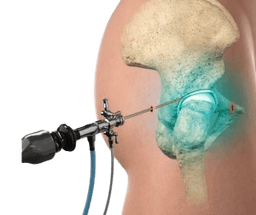
Hip Arthroscopy
Hip arthroscopy is, therefore, a minimally invasive procedure performed to treat hip problems. In this surgical procedure, a thin tube attached to a camera at the end is inserted to provide a clear view on the monitor. Moreover, this surgery is supervised by top orthopedic surgeons in India. This arthroscope is a flexible tube that can, in fact, bend wherever needed. An incision is, therefore, made near the hip, allowing the insertion of the arthroscope directly into the joint to treat the condition. Furthermore, the camera provides a clear and magnified view of the hip joint tissue. This also enables the surgeon to locate the exact site of damage, injury, or other issues within the hip joint. In addition, arthroscopy helps in diagnosing the cause of severe hip pain and treating problems related to the hip. Since only a few incisions are made to insert the arthroscope, this, in turn, leads to quicker recovery. Moreover, it is an outpatient procedure, meaning the patient gets discharged on the same day.
Orthopedic Surgery
Lateral Epicondyle release (Tennis Elbow)
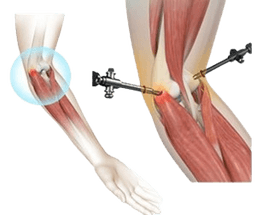
Lateral Epicondylitis Release is a surgical procedure that involves the treatment of problems caused due to lateral epicondylitis. This condition is also familiar as tennis elbow. The elbow joint consists of three parts: that is the upper arm bone, humerus, and the two forearm bones, i.e., radius and ulna. Epicondyles are a type of bony bumps at the lower end of the humerus. These are the kind of connection for larger tendons and muscles that are involved in arm movement. The bump present outside the elbow is known as the lateral epicondyle.
Orthopedic Surgery
Limb Lengthening Surgery
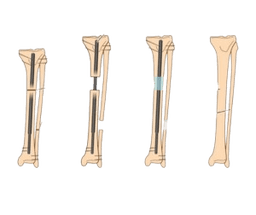
Limb lengthening is a surgical procedure that involves making an arm or leg bone longer. Orthopedic surgeons perform this surgery on these bones such as:
Orthopedic Surgery
Partial Hip Replacement (Unilateral Hip Replacement)
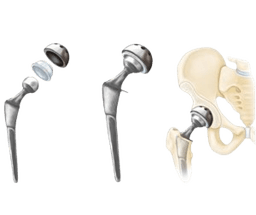
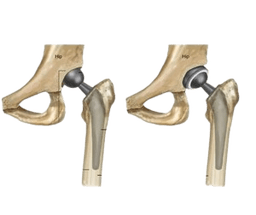
Partial hip replacement is an advanced orthopedic procedure primarily indicated for patients with femoral neck fractures or limited damage confined to the ball portion of the hip joint. In this surgery, the surgeon removes the damaged femoral head and replaces it with a prosthetic implant while keeping the acetabulum intact. This approach reduces surgical complexity and preserves healthy bone structures. The procedure is often preferred in older adults with lower activity demands, offering quicker recovery and reduced operative risk. With modern implant materials and precise surgical techniques, partial hip replacement delivers reliable pain relief, improved joint stability, and early return to functional independence.
Orthopedic Surgery
Ankle Arthroscopy
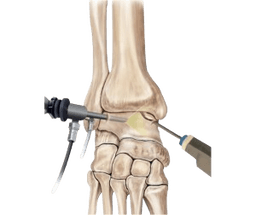
Ankle arthroscopy is an advanced orthopedic technique designed to treat persistent ankle pain, stiffness, or instability caused by injury, inflammation, or degeneration. Using specialized instruments, surgeons can remove damaged tissue, repair cartilage, and address joint abnormalities with minimal disruption, leading to faster recovery and improved outcomes.
Orthopedic Surgery
Osteochondral Autografting- Mosaicplasty Surgery
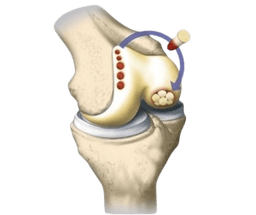
Osteochondral autografting (OCG) is a surgical procedure that involves the repair of damaged articular cartilage, which forms the ends of bones in a joint. This technique utilizes an osteochondral autograft—a piece of tissue harvested from the healthy parts of the joint—which is then transplanted to replace chondral defects. Generally, there are two types of osteochondral autografting:
Orthopedic Surgery
Revision ACL Reconstruction Surgery
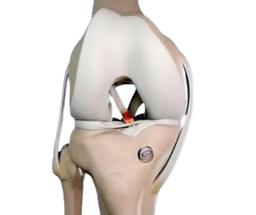
Revision ACL reconstruction is a specialized ligament repair surgery designed for patients who continue to experience knee instability, pain, or graft failure after a previous ACL surgery. Unlike primary ACL reconstruction, revision surgery is technically more complex because it often involves tunnel widening, scar tissue, weakened bone stock, hardware removal, or associated meniscus and cartilage injuries. The procedure involves removing the failed graft, correcting structural issues, and reconstructing the ACL using a new graft from the patient or donor tissue. Modern surgical planning uses advanced MRI, CT scans, and arthroscopic techniques to improve precision, reduce complications, and restore knee biomechanics more effectively.
Orthopedic Surgery
Tendon Transfer
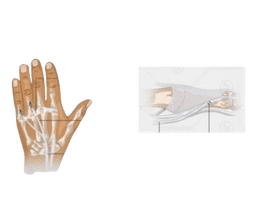
The tendon is a hard, strong cord that connects muscles to bones or muscles that are attached to bone. In addition, tendons attached to the muscles help to perform the movements of the joints. Furthermore, not only one or two, but there are forty different muscles in the forearm and hand. Some of these muscles are layered upon each other. However, after ruptured tendons or injury, these muscles do not move properly. In such cases, tendon transfer surgery is performed to transfer the non-working muscles to replace the tendon with working muscles. For example, after an injury with a broken wrist, the tendon to the thumb that performs the movement of a thumbs-up can be broken. In some cases, the two ends are severely damaged and cannot be stitched back together. During the surgery, the surgeon can transfer the index finger tendons to the thumb, which recreates the action of thumbs up. This means it will allow the fingers to move again in the same position.
Orthopedic Surgery
Bilateral Knee Replacement Surgery
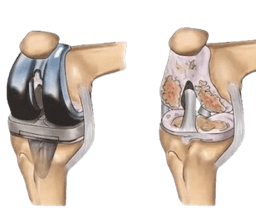
Bilateral knee replacement is a surgical procedure to replace both the knees that are damaged due to injury or cartilage. For example, arthritis causes pain in the knee that can be resolved with knee replacement treatment. In addition, patients who are going through knee pain in both the knees are known as bilateral. When both the knees are replaced with an artificial joint called a prosthesis, it is known as bilateral knee replacement surgery, which is also known as double knee replacement. Although this treatment can take long hours, the treatment is done at Bilateral knee replacement hospitals in India all at once, without getting it done in separate surgeries and that too without any hidden cost.
Orthopedic Surgery
Osteotomy Surgery (Bone Realignment Surgery)
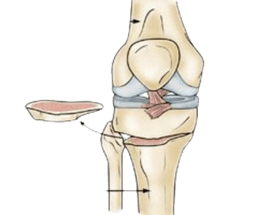
Osteotomy is a highly specialized reconstructive procedure that focuses on correcting biomechanical alignment issues in weight-bearing joints. It is commonly performed around the knee, hip, or occasionally the ankle, depending on the site of deformity. The procedure involves making a controlled surgical cut in the bone and realigning it to a more functional position. The corrected bone is then fixed using plates, screws, or external fixation devices to allow proper healing. The goal is to shift load-bearing stress from the damaged side of the joint to a healthier area, thereby reducing pain and slowing cartilage degeneration. This surgery is often recommended for younger, active patients who are not yet ideal candidates for joint replacement. Recovery involves structured rehabilitation to restore strength, mobility, and long-term joint stability.
Orthopedic Surgery
Revision Hip Replacement
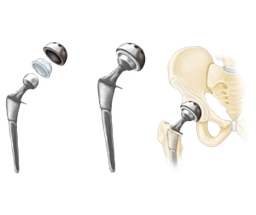
Hip revision replacement is a surgery that repairs and replaces the prosthesis that is already placed in the hip joint. This surgery is recommended if there is an infection or damage to the artificial joint. Revision hip replacement surgery is a second surgery that addresses the issue in the initial hip replacement surgery. The procedure remains the same as the primary hip replacement surgery. However, the main motive of the surgery is to improve the function of the artificial joint.
Orthopedic Surgery
Congenital Limb Defects Correction Surgery
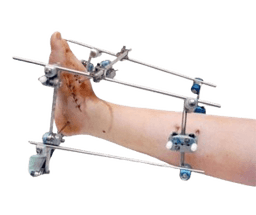
Congenital limb defects are developmental abnormalities present at birth that affect the shape, length, alignment, or function of the upper or lower limbs. The severity may range from mild deformities to complex skeletal deficiencies that interfere with walking, grasping, balance, or overall limb function. Surgical treatment is carefully individualized based on the child’s age, bone development, growth potential, and functional limitations. Procedures may include deformity correction, bone reconstruction, tendon balancing, limb lengthening, joint stabilization, digit separation, prosthetic preparation, or advanced reconstructive orthopedic surgery. Pediatric orthopedic specialists often use staged treatment approaches to support proper skeletal growth and minimize future complications. The primary goal is to improve independence, physical function, and long term musculoskeletal development while preserving as much natural limb function as possible.
Orthopedic Surgery
Pediatric Hip Dysplasia Surgery
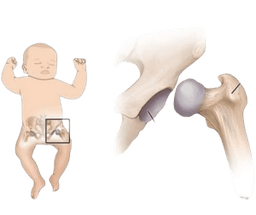
Pediatric Hip Dysplasia in India is a condition that affects babies' hip joints. This condition can be treated if diagnosed and treated before the age of 6 months of the baby. Hip dysplasia is seen in babies mostly as this condition is rare to be seen in older children and adults. A joint is a point where two bones meet, likewise, the hip joint is a point that connects the thigh bone (femur) and hip bone (pelvis) together. Pediatric Hip dysplasia surgery is an uncommon condition that can occur when bones in the hip joint don’t fix together correctly. Hip dysplasia can be commonly seen in babies and is a treatable condition if diagnosed before the age of 6 months. Some children are born with hip dysplasia and are considered to have Congenital Hip Dysplasia or Developmental Dysplasia of the Hip (DDH). All these names refer to the same condition. In the condition of hip dysplasia, the femur and pelvis don’t fix correctly. The ball at the top of the femur does not align properly with the socket in the pelvis. This incorrect fit can be a reason that damages the cartilage, which provides support to the joint. Some common symptoms can be seen, such as pain, stiffness, or in some cases, patients with hip dysplasia may experience hip dislocation in the future.
Orthopedic Surgery
Revision Single Knee Replacement
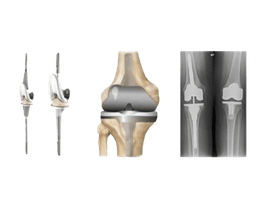
Revision single knee replacement is a complex surgical procedure indicated when a primary knee replacement no longer functions effectively due to wear, loosening, infection, or mechanical failure. Unlike primary knee replacement, revision surgery requires careful planning, advanced surgical techniques, and customized implants to address bone loss, scar tissue, and instability. The surgeon removes the damaged or failed prosthesis, prepares the bone surfaces, and implants a new, often more durable prosthetic joint designed to restore proper alignment and function. This procedure is typically more technically demanding and may take longer than the initial surgery, but it plays a critical role in relieving persistent pain and restoring joint performance. With appropriate rehabilitation and follow-up care, most patients experience significant improvement in mobility and quality of life.
Orthopedic Surgery
Shoulder Arthroscopy
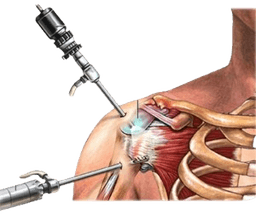
Shoulder arthroscopy is a surgery that is performed with small incisions. Specifically, an arthroscope is a thin-like tube device used to diagnose and treat inside the shoulder joint issues. Shoulder arthroscopy is an outpatient procedure, which means the discharge from the hospital will be given on the same day. Furthermore, this is a minimally invasive surgery that treats shoulder issues. In most cases, arthroscopy surgery is recommended for rotator cuff tears or shoulder impingement. The surgeon uses a tiny camera attached with a thin tube called an arthroscope, and since it is very thin, it needs a very small incision to get inserted. Consequently, this camera helps to look at the inside view of the shoulder joint on the monitor screen. Moreover, the surgeon will look at the images provided by the arthroscope to get the exact place of injury or source of injury. Additionally, it helps to repair and treat the damage or injury caused to the shoulder.

Orthopedic Surgery
Carpal Tunnel Release Open or Endoscopic CTR
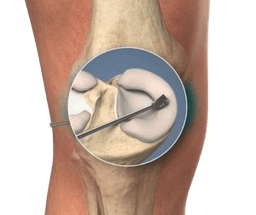
Carpal Tunnel Release surgery is an advanced nerve decompression procedure designed to treat moderate to severe carpal tunnel syndrome when conservative treatments such as splints, medications, physiotherapy, activity modification, or steroid injections no longer provide sufficient relief. During the procedure, the surgeon carefully releases the transverse carpal ligament to reduce pressure on the median nerve and restore normal nerve transmission. The operation can be performed through a traditional open incision or using an endoscopic minimally invasive technique involving smaller incisions and camera guided instruments. Open surgery provides direct visualization of the structures while endoscopic release may allow faster recovery and less postoperative discomfort in selected patients. The procedure is commonly recommended for individuals experiencing persistent numbness, night pain, reduced grip strength, hand weakness, or muscle wasting caused by prolonged nerve compression. Early treatment is important because severe or untreated nerve compression can result in permanent nerve damage and long term hand dysfunction. Modern hand surgery protocols combined with postoperative rehabilitation help improve sensation, dexterity, and daily hand performance after surgery.
Orthopedic Surgery
Knee Meniscectomy
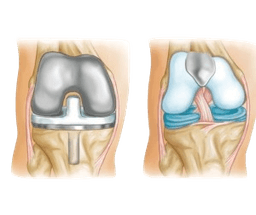
Knee meniscectomy is a precise surgical intervention designed to remove irreparable portions of the meniscus while maintaining overall knee function and stability. The procedure is performed arthroscopically using small incisions and specialized instruments, allowing the surgeon to visualize and treat the damaged tissue with high accuracy. Partial meniscectomy is preferred in most cases to preserve meniscal integrity and reduce the risk of long term joint degeneration. The procedure is typically done on an outpatient basis with minimal discomfort and a faster recovery timeline compared to open surgery. Postoperative rehabilitation focuses on restoring range of motion, strengthening surrounding muscles, and gradually returning the patient to normal daily and athletic activities.
Orthopedic Surgery
Patellofemoral Replacement
Patellofemoral replacement is an advanced, bone-preserving orthopedic procedure designed for patients suffering from anterior knee pain due to cartilage degeneration behind the kneecap. Unlike total knee replacement, this surgery replaces only the patellofemoral compartment, allowing for more natural knee mechanics and faster recovery. The procedure involves reshaping the underside of the patella and the corresponding groove of the femur, followed by placement of smooth prosthetic surfaces that enable friction-free movement. It is commonly recommended for younger or active patients whose arthritis is confined to this compartment. With improved implant design and surgical precision, modern patellofemoral replacement offers durable pain relief, improved mobility, and high patient satisfaction when carefully selected based on clinical evaluation and imaging findings.
Orthopedic Surgery
Total Hip Replacement
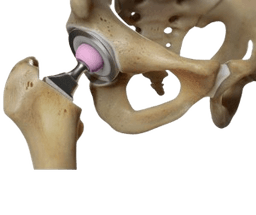
Total Hip replacement, also known as hip arthroplasty, is a surgical intervention that treats hip pain. In this process, the surgical procedure involves the replacement of parts of the natural hip joint with an artificial implant. The hip joint is made of a ball (present at the top of the femur, also known as the thigh bone) and a socket (present in the pelvis, known as the hip bone). Therefore, hip replacement surgery involves the removal of both or a single part. The main aim of the hip replacement procedure is to relieve severe pain so that one can resume daily activities. To achieve this, the replacement of the parts is done with an artificial implant called a prosthesis. The hip replacement surgery is mostly recommended to adults older than 50. Additionally, top orthopedic surgeons in India recommend hip replacement surgery if the pain and other symptoms have lost the ability to walk, stand, or move.
Orthopedic Surgery
Bilateral Hip Replacement Surgery
Bilateral Hip Replacement Surgery is a complete surgery that replaces both hips at the same time. When a patient has problems in both hips, doctors perform bilateral hip replacement surgery. This procedure is also known as a simultaneous total hip arthroplasty. One of the key benefits of bilateral hip replacement surgery is that a single procedure is sufficient to replace both hips, and anesthesia is administered only once. Moreover, patients typically require less time to recover compared to having the surgeries done separately. Replacement surgery involves placing artificial components in the same location where the natural components were previously situated. This surgery is performed for various reasons, such as damage caused by arthritis, osteogenesis, bone fractures, or other bone diseases. Bilateral hip replacement surgery is the medical term used for the replacement of both hips in a single surgery with artificial joints or components. The surgery takes place when a patient is suffering from severe pain or loss of mobility in the hips. Some of the causes include arthritis, childhood hip problems, or other bone fractures. Additionally, Bilateral hip replacement hospitals in India are popular for their high success rate. After a successful hip replacement, people can regain their energy, walk independently, and live without pain or discomfort.
Orthopedic Surgery
High-Flex Knee Replacement
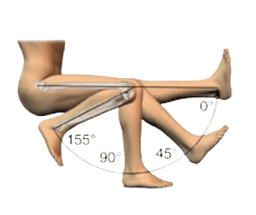
High-flex knee replacement is a surgical procedure that, as a result, helps to lead a better life with that same flexibility in the knee. Moreover, a high flex knee is crafted to lodge the rebeginning of deep knee bending activities. Furthermore, osteoarthritis patients face knee pain during regular activities. For patients like them, total knee replacement is, therefore, the most ideal treatment. In the process, initial diagnosis, flexibility before the surgery, and necessary physical therapy can, in turn, lead to better results. Typically, knee replacement surgery is crafted to accommodate flexibility up to 125 degrees only. However, with high flex knee replacement, it can bend up to 155 degrees. Consequently, this procedure helps to bend the knee for recreational purposes and day-to-day activities.
Orthopedic Surgery
Lateral Retinacular Release Surgery
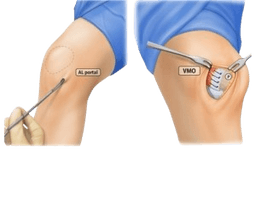
Lateral retinacular release is an advanced arthroscopic knee procedure designed to correct abnormal tension within the lateral soft tissue structures of the patella. In certain patients, tight lateral tissues pull the kneecap outward, leading to pain, inflammation, cartilage wear, and instability within the patellofemoral joint. During the procedure, orthopedic surgeons carefully release or divide the tight lateral retinaculum using minimally invasive arthroscopic instruments. This helps rebalance forces acting on the kneecap and allows smoother movement within the femoral groove. The surgery may be performed alone or combined with other patellar stabilization procedures depending on the severity of instability and associated cartilage damage. Modern arthroscopic techniques help minimize tissue trauma, reduce postoperative discomfort, and support faster rehabilitation. Comprehensive physiotherapy after surgery plays a crucial role in strengthening the knee, improving alignment, and restoring functional mobility.
Orthopedic Surgery
Palmar Fasciectomy
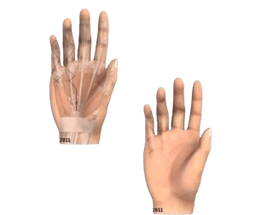
A Palmar Fasciectomy is a surgical procedure that removes complete or some parts of the palmar fascia. Moreover, the palmar fascia is a very thin layer of connective tissue in the hands. It is a kind of triangle shape and is at the bottom of the skin on the fingers and palm of the hands. Furthermore, the palmar skin is disclosed once the surgeon cleans the skin and makes an incision. Before removing the diseased or damaged tissues, the doctor first clears the nearby tendons.
Orthopedic Surgery
Thumb Arthroplasty
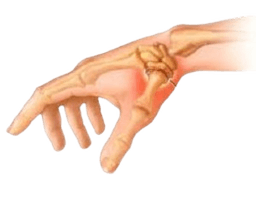
Thumb Arthroplasty is a specialized reconstructive procedure designed to treat advanced arthritis and joint deterioration affecting the thumb base. The thumb joint plays a critical role in gripping, pinching, writing, lifting, and fine hand coordination, making chronic thumb pain highly disruptive to everyday life. During the surgery, the damaged arthritic joint surfaces are carefully removed and reconstructed using tendon based stabilization techniques, soft tissue interposition, or prosthetic joint implants depending on the severity of degeneration and patient needs. The procedure aims to relieve pain while preserving thumb mobility and improving hand strength. Thumb arthroplasty is commonly recommended when medications, splints, injections, activity modification, and physiotherapy no longer provide sufficient relief. Advances in hand surgery, implant materials, and rehabilitation protocols now allow improved functional recovery, better thumb alignment, and enhanced long term comfort for many patients. Structured postoperative therapy remains essential for restoring flexibility, grip control, and hand coordination after surgery.
Orthopedic Surgery
Capsular Shift Procedure
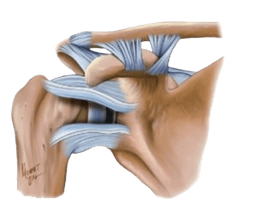
The capsular shift procedure is performed to tighten the shoulder joint capsule. There are various types of shoulder operations that help stabilize the shoulder's stability. There are two ways to perform the surgery: one is with an arthroscope, and the other is open surgery. Moreover, the choice of surgery depends on the type of injury and the patient’s condition. The top orthopedic surgeons in India will determine which surgery is needed accordingly. Shoulder arthroscopy is a minimally invasive surgical approach that helps in quick recovery. This technique allows surgeons to get a clear view of the shoulder, and in some cases, the injury can be treated directly through arthroscopy. Additionally, the shoulder consists of three joints:
Orthopedic Surgery
Orthopedic Stem Cell Therapy
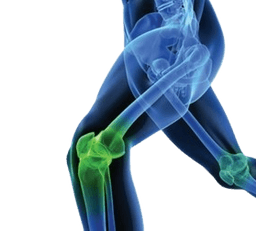
Orthopedic stem cell therapy is a modern biologic treatment designed to accelerate musculoskeletal healing using mesenchymal stem cells (MSCs), most commonly derived from bone marrow or adipose tissue. These cells have the ability to reduce inflammation, stimulate tissue repair, and support regeneration of cartilage, tendons, ligaments, and bone. In orthopedic practice, stem cell therapy is widely explored for osteoarthritis, cartilage defects, tendon injuries, ligament tears, avascular necrosis, and sports injuries. Unlike conventional treatments that mainly manage symptoms, stem cell-based orthopedic treatment focuses on enhancing the body’s natural repair mechanisms at a cellular level. The procedure usually involves harvesting stem cells, processing them under sterile conditions, and injecting them directly into the injured area using imaging guidance. Recent clinical evidence shows promising applications in cartilage preservation, bone healing, and soft tissue recovery, although outcomes depend heavily on patient selection, injury severity, and the condition being treated.
Orthopedic Surgery
Shoulder Replacement Surgery
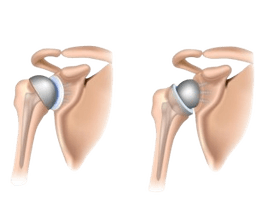
The shoulder is one of the most important parts of the human body. If it is causing any pain, it can be a huge problem for day-to-day life. Shoulder replacement surgery is a procedure that removes a damaged or dysfunctional part of the shoulder joint and replaces it with an artificial joint called a prosthesis. Some of the common reasons for shoulder replacement surgery are rotator cuff tear, osteoarthritis, avascular necrosis, or rheumatoid arthritis. The replacement surgery relieves severe pain, enhances motion, and improves the ability to move the arms and shoulder.
