Overview
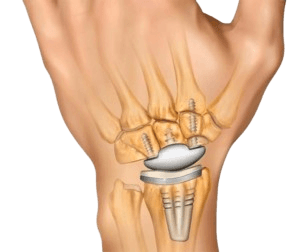
Wrist Joint Replacement Wrist Arthroplasty is an advanced orthopedic procedure designed to replace severely damaged wrist joint surfaces with specialized artificial implants to restore movement, reduce chronic pain, and improve hand function. The surgery is commonly recommended for patients suffering from advanced wrist arthritis, rheumatoid joint destruction, post traumatic wrist degeneration, or severe joint stiffness that significantly interferes with daily activities. By replacing damaged portions of the wrist with prosthetic components, the procedure helps preserve wrist mobility while improving grip strength and overall upper limb function. Modern implant technology and refined surgical techniques have significantly improved long term outcomes, recovery experience, and functional independence following wrist arthroplasty.
Key Clinical Highlights
- Motion Preserving Procedure: The surgery helps maintain controlled wrist movement unlike fusion procedures.
- Advanced Implant Technology: Modern prosthetic designs improve joint stability and hand function.
- Enhanced Pain Relief: Replacing damaged joint surfaces significantly reduces chronic wrist pain.
When to Consider
Wrist Joint Replacement Wrist Arthroplasty should be considered when patients experience severe wrist pain, persistent stiffness, reduced hand function, weakened grip strength, or progressive joint damage that interferes with routine daily activities despite medications, splints, injections, physiotherapy, or other conservative treatments. The surgery is particularly beneficial for individuals with rheumatoid arthritis or advanced degenerative wrist disease who wish to maintain some degree of wrist mobility instead of undergoing permanent joint fusion. Early orthopedic evaluation is important when wrist symptoms begin affecting independence, work performance, and hand coordination.
Restore Wrist Function and Daily Comfort
The procedure helps improve wrist movement, reduce pain, and enhance hand performance during everyday activities.
- Chronic Pain Reduction: Replacing damaged joint surfaces helps relieve persistent wrist discomfort.
- Improved Wrist Mobility: The procedure supports smoother and more functional wrist movement.
- Better Hand Function: Patients often regain improved grip strength and coordination after rehabilitation.
Symptoms and Indications
- Persistent Wrist Pain: Ongoing wrist discomfort may worsen with movement or gripping activities.
- Joint Stiffness: Arthritic damage can reduce flexibility and wrist motion.
- Weak Grip Strength: Joint degeneration may affect the ability to hold or lift objects.
- Swelling and Inflammation: Chronic wrist inflammation may indicate advanced joint disease.
Types of Wrist Joint Replacement Wrist Arthroplasty
Total Wrist Arthroplasty
Complete replacement of damaged wrist joint surfaces using prosthetic implants.
- Standard Total Wrist Implant: Designed to restore wrist mobility and reduce arthritic pain.
- Modular Wrist Prosthesis: Provides customized implant positioning and functional support.
Partial Wrist Arthroplasty
Only selected damaged portions of the wrist joint are replaced.
- Radiocarpal Replacement: Focuses on replacing the major load bearing wrist surfaces.
- Limited Joint Reconstruction: Preserves more natural bone and ligament structures.
Pre-Procedure Preparation
- Diagnostic Imaging: X rays and scans assess wrist damage and implant planning.
- Medical Evaluation: Overall health and surgical readiness are carefully reviewed.
- Implant Selection: The orthopedic team chooses the most suitable prosthetic system.
- Preoperative Guidance: Patients receive instructions regarding medications and recovery planning.
Treatment Stages
- Orthopedic Evaluation (Day 1): Wrist examination and imaging assessment
- Preoperative Planning (Week 1): Implant selection and surgical preparation
- Surgery (Week 2): Wrist joint replacement arthroplasty procedure
- Rehabilitation (Week 5): Hand therapy and mobility recovery
Recovery Guidelines
- Attend Hand Therapy: Specialized rehabilitation improves wrist flexibility and grip strength.
- Avoid Excessive Strain: Heavy lifting should be avoided during early healing stages.
- Perform Gentle Exercises: Controlled wrist movement helps improve long term joint mobility.
- Maintain Follow Up Visits: Regular orthopedic reviews help monitor implant function and recovery.
Life After Treatment
- Many patients experience improved wrist comfort and functional hand movement after recovery.
- Structured rehabilitation helps restore flexibility, coordination, and daily activity performance.
- Modern wrist implants are designed to improve long term mobility while reducing chronic joint pain.
Wrist arthroplasty can help restore movement and comfort while improving independence in daily hand activities.
Potential Risks
- Implant Loosening: Over time the prosthetic components may loosen and require monitoring.
- Infection: Postoperative infections are uncommon but may require additional treatment.
- Reduced Implant Lifespan: High impact wrist stress may affect long term implant durability.
Cost Estimation in India
Estimated procedure package range: $5,500 to $12,000 USD.
Package Inclusions:
- Orthopedic consultation and imaging
- Wrist joint replacement surgery
- Hospital stay and implant charges
- Physiotherapy and rehabilitation care
Global Cost Comparison
- USA: $36,000 USD
- UK: $26,000 USD
- Germany: $24,000 USD
- Thailand: $16,000 USD
- India: $9,000 USD