ENT Treatments & Procedures in India
ENT
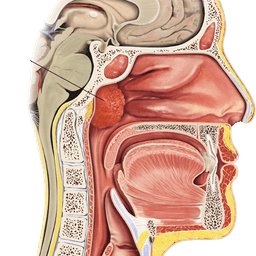
Adenoidectomy
Adenoidectomy is a surgical procedure performed to remove the adenoids, which are lymphoid tissues located at the back of the nasal cavity. These tissues are part of the immune system but can become enlarged due to recurrent infections, allergies, or chronic inflammation. When adenoids are enlarged, they can block the nasal airway, leading to chronic mouth breathing, snoring, recurrent sinus infections, ear infections, and sleep disturbances. In children, untreated enlarged adenoids can also affect facial growth and speech development. The procedure is commonly performed in children but can also be indicated in adults with persistent symptoms. It is a short, safe, and effective surgery performed under general anesthesia, often as a day-care procedure with quick recovery and excellent outcomes.
ENT
Adenotonsillectomy (Tonsil and Adenoid Removal Surgery)
The tonsils and adenoids are lymphoid tissues located in the throat and behind the nasal cavity that play a role in immune defense during early childhood. However, when they become chronically enlarged or infected, they can lead to repeated throat infections, difficulty swallowing, nasal obstruction, snoring, and obstructive sleep apnea. Adenotonsillectomy is performed under general anesthesia and involves complete or partial removal of these tissues using surgical dissection, electrocautery, or advanced coblation techniques. The procedure is carefully planned after clinical evaluation, sleep studies (if needed), and ENT examination. In pediatric cases, it significantly improves breathing patterns, sleep quality, appetite, and behavioral symptoms linked to sleep disruption. Recovery is typically smooth, with most patients returning to normal activities within one to two weeks depending on age and condition severity.
ENT
Arytenoidectomy
Arytenoidectomy is an advanced laryngeal surgery primarily used to manage airway compromise caused by impaired vocal cord mobility. The procedure is typically performed endoscopically using a laser or microsurgical instruments, avoiding external incisions and reducing recovery time. By removing or reshaping the arytenoid cartilage, the surgeon enlarges the posterior glottic space, improving breathing while preserving as much voice quality as possible. This technique is widely used in patients with vocal cord paralysis, laryngeal stenosis, or structural airway narrowing, offering a balance between airway improvement and functional outcomes.
ENT
Caldwell-Luc Antrostomy
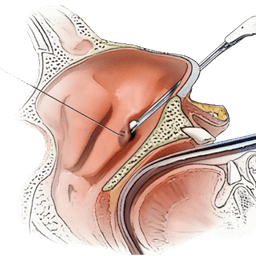
The maxillary sinuses are air-filled cavities located in the cheekbones that help humidify inhaled air and lighten skull weight. When these sinuses become chronically infected or obstructed, patients may develop persistent facial pain, nasal blockage, foul-smelling discharge, headache, and recurrent sinus infections. Caldwell-Luc antrostomy is performed under general anesthesia by making an incision in the upper gum above the canine teeth, allowing direct access to the maxillary sinus. The surgeon removes infected mucosa, polyps, or debris and creates a drainage pathway into the nasal cavity. While functional endoscopic sinus surgery (FESS) is now the preferred approach, Caldwell-Luc is still used when endoscopic access is limited or when extensive disease is present. Recovery involves gradual healing of the incision and improvement of sinus ventilation over several weeks.
ENT
Canalplasty
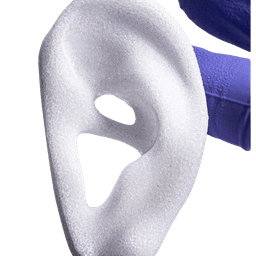
Canalplasty is an advanced otologic procedure designed to restore the normal structure and function of the ear canal in patients affected by narrowing due to congenital defects, repeated infections, trauma, or bony growths such as surfer’s ear. The surgery is typically performed under microscopic or endoscopic guidance, allowing the surgeon to precisely remove obstructive bone or tissue while preserving delicate surrounding structures. By widening the canal, the procedure improves sound transmission to the eardrum and facilitates natural ear cleaning mechanisms. It is often combined with other ear procedures such as tympanoplasty when necessary. Canalplasty not only enhances hearing outcomes but also significantly reduces recurrent infections and discomfort, making it a highly effective and durable solution when conservative treatments fail.

ENT
Cholesteatoma
Cholesteatoma is an abnormal growth of skin cells inside the middle ear that can gradually expand and destroy nearby structures, including the eardrum and small hearing bones. It is not a tumor, but it behaves aggressively and can lead to chronic ear infections, hearing loss, dizziness, and even serious complications if untreated. Treatment is primarily surgical, aimed at completely removing the cholesteatoma and preserving or restoring hearing as much as possible. Early diagnosis and expert ENT surgical care are critical to preventing long-term damage.
ENT
Coblation Tonsillectomy
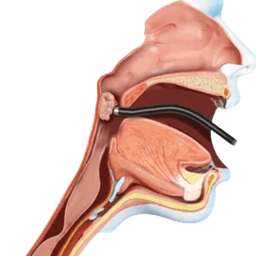
Coblation tonsillectomy is an advanced technique for removing tonsils using controlled radiofrequency energy to dissolve tissue at low temperatures. Compared to traditional tonsillectomy, coblation causes less tissue damage, reduced bleeding, and faster recovery, making it especially beneficial for children and adults with recurrent tonsillitis, sleep apnea, or enlarged tonsils. It is widely used in modern ENT practice due to improved patient comfort and safety.
ENT
Cochlear Implantation
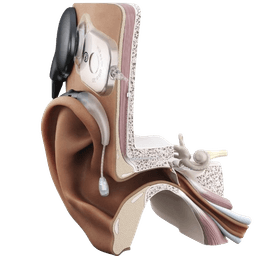
Cochlear Implantation is a highly advanced surgical procedure designed to restore the perception of sound in individuals with severe to profound sensorineural hearing loss who do not benefit from hearing aids. Unlike hearing aids, which amplify sound, a cochlear implant bypasses damaged parts of the inner ear and directly stimulates the auditory nerve, allowing sound signals to reach the brain. The procedure involves implanting a small electronic device under the skin behind the ear, with electrodes placed inside the cochlea (inner ear). An external processor captures sound, converts it into digital signals, and transmits them to the implanted device. Cochlear implantation can significantly improve speech understanding, communication ability, and quality of life for both children and adults, especially when combined with auditory training and rehabilitation therapy.

ENT
Ear Foreign Body Removal
Ear foreign body removal is a commonly performed ENT procedure for children and adults who have objects trapped within the external ear canal. Foreign bodies may include beads, insects, cotton fragments, food particles, hearing aid components, or small toys. Using specialized instruments, suction devices, or microscope-guided techniques, the ENT specialist carefully removes the object while protecting the ear canal and eardrum. Early treatment helps prevent complications such as infection, bleeding, hearing difficulties, and damage to surrounding tissues.
ENT
Ear Shape Correction Surgery
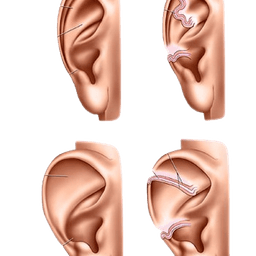
Ear Shape Correction Surgery, commonly known as Otoplasty, is a cosmetic and reconstructive ENT procedure designed to correct prominent, misshapen, or asymmetrical ears. It can be performed in children and adults to improve ear appearance and boost self-confidence. The surgery involves reshaping cartilage, repositioning the ears closer to the head, or correcting congenital deformities. It is typically done under local or general anesthesia and offers long-lasting, natural-looking results.
ENT
Endoscopic Septoplasty
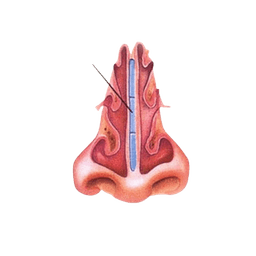
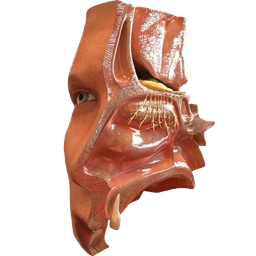
Endoscopic septoplasty is a minimally invasive surgical procedure performed to correct a deviated nasal septum, which is the cartilage and bone that divides the nasal cavity into two nostrils. A deviated septum can cause chronic nasal blockage, recurrent sinus infections, snoring, nosebleeds, and difficulty breathing, especially during sleep. Using an endoscope (a thin camera-guided instrument), the surgeon visualizes the nasal cavity with high precision and corrects the deviation while preserving healthy tissue. Compared to traditional septoplasty, the endoscopic approach offers better visualization, reduced trauma, minimal bleeding, and faster recovery, making it the preferred modern technique in advanced ENT centers.
ENT
Endoscopic Turbinectomy
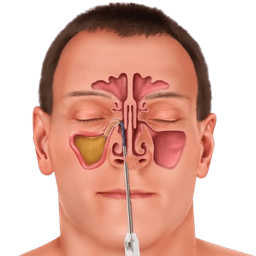
Endoscopic Turbinectomy is a minimally invasive ENT surgical procedure performed to reduce the size of enlarged nasal turbinates, which are structures inside the nose that help filter, humidify, and regulate airflow. Enlarged turbinates can cause chronic nasal blockage, breathing difficulty, snoring, recurrent sinus infections, and poor sleep quality. The surgery is done using an endoscope, allowing precise visualization and targeted tissue reduction while preserving healthy nasal structures. It is commonly recommended for patients who do not respond to medications such as nasal sprays, antihistamines, or decongestants. Endoscopic Turbinectomy aims to improve airflow, relieve chronic congestion, and enhance overall nasal function with minimal discomfort and quick recovery.
ENT
Ethmoidectomy
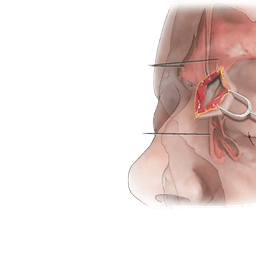
Ethmoidectomy is a surgical procedure performed to remove diseased or obstructed ethmoid sinus cells located between the eyes and behind the nose. It is commonly done to treat chronic sinusitis, nasal polyps, fungal infections, or sinus tumors that do not respond to medications. The surgery is usually performed endoscopically through the nose without external cuts, making it minimally invasive. Ethmoidectomy restores proper sinus ventilation and drainage, reduces recurrent infections, and improves breathing and quality of life.
ENT
Frontoethmoidectomy
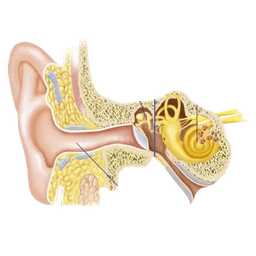
Frontoethmoidectomy is a specialized ENT surgical procedure performed to remove diseased tissue from the frontal and ethmoid sinuses. It is commonly recommended for patients with chronic sinusitis, recurrent sinus infections, nasal polyps, or tumors that do not respond to medications or less invasive treatments. This surgery aims to restore proper sinus drainage, reduce inflammation, and improve breathing and overall quality of life. It can be performed using endoscopic (minimally invasive) techniques or through an external approach depending on disease severity and anatomy. Frontoethmoidectomy is usually done under general anesthesia and requires a skilled ENT surgeon due to the proximity of critical structures such as the eyes and brain. With modern surgical techniques and postoperative care, most patients experience significant symptom relief and improved sinus function.
ENT
Hearing Loss Treatment
Hearing loss is a common condition that can affect individuals of all ages and may develop gradually or occur suddenly due to disease, aging, injury, infections, noise exposure, or structural abnormalities of the ear. Modern ENT specialists use comprehensive hearing assessments to identify the type and severity of hearing impairment before recommending personalized treatment. Depending on the diagnosis, management may involve medications, hearing aids, cochlear implants, middle ear surgery, or other hearing restoration procedures. Early intervention plays a vital role in preserving hearing function, improving speech understanding, reducing social isolation, and supporting long-term auditory health.

ENT
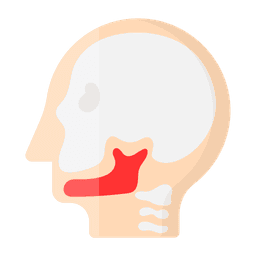
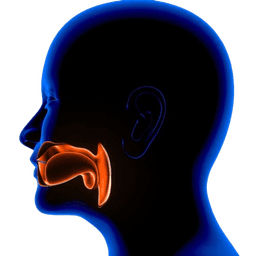
Hemiglossectomy
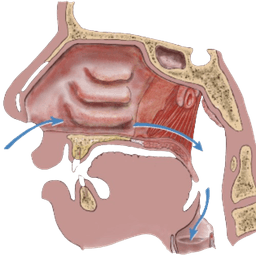
Hemiglossectomy is an advanced oncologic surgery primarily indicated for patients diagnosed with tongue cancer or aggressive lesions that do not respond to conservative treatment. During the procedure, the surgeon removes the affected half of the tongue along with a margin of healthy tissue to ensure complete cancer clearance. Reconstruction may involve local tissue rearrangement or microvascular free flap techniques to restore structure and function. Postoperative rehabilitation, including speech and swallowing therapy, plays a vital role in recovery. This procedure not only focuses on tumor removal but also emphasizes functional preservation, enabling patients to regain essential oral abilities and maintain nutritional intake and communication.
ENT
Hypernasal Speech Therapy
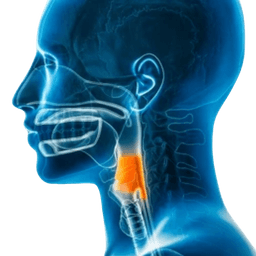
Hypernasal Speech Therapy is a specialized therapeutic intervention designed to treat hypernasality, a speech disorder where excessive air escapes through the nose during speech, causing abnormal resonance and reduced speech clarity. Hypernasality commonly occurs due to velopharyngeal dysfunction (VPD), cleft palate, neuromuscular disorders, post-surgical changes, or structural abnormalities of the soft palate. Speech therapy focuses on improving velopharyngeal closure, strengthening oral airflow control, and retraining correct speech patterns. The therapy is typically delivered by certified speech-language pathologists (SLPs) and may be combined with surgical or prosthetic interventions depending on the underlying cause. The goal is to improve speech intelligibility, confidence, and overall communication quality, especially in children and adults affected by congenital or acquired conditions.
ENT
Hypophrayngoscopy
Hypophrayngoscopy is a specialized endoscopic procedure used to examine the hypopharynx, the lower part of the throat located behind and around the voice box. It helps ENT specialists diagnose conditions like tumors, strictures, swallowing disorders, chronic throat pain, and unexplained voice or breathing problems. The procedure can be diagnostic or therapeutic, allowing doctors to take biopsies, remove lesions, or evaluate structural abnormalities. It is usually performed under local or general anesthesia depending on the clinical scenario and patient comfort, and is considered a minimally invasive yet highly informative procedure.
ENT
Image Guided Endoscopic Nasal & Sinus Surgery
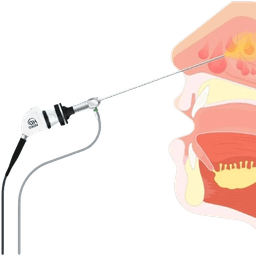
Image Guided Endoscopic Nasal & Sinus Surgery is an advanced form of functional endoscopic sinus surgery (FESS) that uses real-time navigation technology to precisely guide the surgeon within the complex sinus anatomy. It is especially useful in complex sinus disease, revision surgeries, tumors, and cases with distorted anatomy. The navigation system works like a GPS for the surgeon, improving safety and accuracy while minimizing complications. This minimally invasive approach preserves healthy tissue and significantly improves sinus drainage, breathing, and quality of life.
ENT
Labyrinthectomy
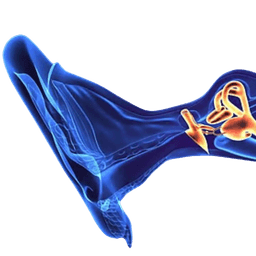
Labyrinthectomy is a specialized surgical procedure performed to treat severe and disabling vertigo that does not respond to medications or conservative treatments. The surgery involves removing or disabling the labyrinth, which is the balance-sensing structure of the inner ear, to eliminate abnormal signals causing dizziness and spinning sensations. This procedure is typically recommended for patients with severe Ménière’s disease, chronic vertigo, or inner ear damage where hearing is already significantly reduced or lost. By stopping the malfunctioning balance signals, labyrinthectomy can dramatically improve quality of life and restore functional stability. The surgery is performed by experienced ENT surgeons under general anesthesia and requires careful post-operative rehabilitation to help the brain adapt to the changes in balance. With proper care and vestibular therapy, most patients achieve excellent symptom control and regain confidence in daily activities.

ENT
Laryngeal Stenosis
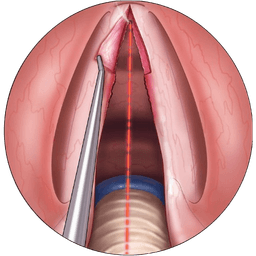
Laryngeal stenosis is a complex airway disorder that requires specialized evaluation and individualized treatment planning. It occurs when scar tissue forms within the larynx, reducing the airway diameter and obstructing normal airflow. Common causes include prolonged use of breathing tubes in intensive care, surgical trauma, radiation exposure, or chronic inflammatory diseases. Depending on the severity and location of the stenosis, treatment options may include endoscopic dilation, laser excision of scar tissue, steroid injections, or open surgical reconstruction such as laryngotracheal reconstruction. In severe cases, temporary airway support like tracheostomy may be required. The primary goal of treatment is to restore adequate airflow, improve voice quality, and prevent recurrence while maintaining airway stability over the long term.
ENT
Laryngeal Web Excision
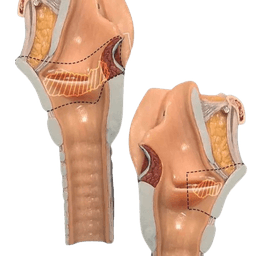
Laryngeal web excision is an advanced ENT procedure performed to treat congenital or acquired webs within the larynx that restrict breathing or voice clarity. Using microlaryngoscopy and fine surgical instruments, the surgeon carefully removes the web while preserving surrounding healthy tissues. In some cases, adjunct techniques such as laser excision or stent placement may be used to prevent recurrence. This procedure is essential for restoring airway patency, improving phonation, and preventing long term complications associated with airway obstruction.
ENT
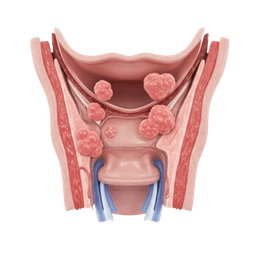
Laryngectomy
Laryngectomy is a major surgical procedure in which the larynx (voice box) is partially or completely removed. It is most commonly performed to treat advanced laryngeal cancer, severe trauma, or irreversible damage to the larynx. Depending on the disease extent, the surgeon may perform a partial laryngectomy (preserving some voice function) or a total laryngectomy (complete removal of the larynx). After total laryngectomy, breathing is permanently redirected through a stoma (a small opening in the neck), and natural voice is lost. However, modern voice rehabilitation techniques such as tracheoesophageal speech, electrolarynx devices, and esophageal speech therapy allow patients to regain functional communication. The procedure is complex and requires a multidisciplinary team including ENT surgeons, oncologists, speech therapists, and rehabilitation specialists. Recovery involves wound healing, speech therapy, swallowing rehabilitation, and psychological support. While it is a life-altering surgery, laryngectomy can be lifesaving and significantly improve survival outcomes in patients with advanced laryngeal diseases.
ENT
Laryngoscopy
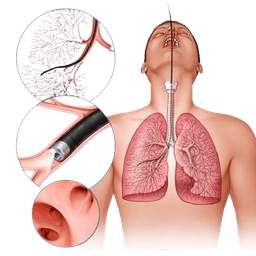
Laryngoscopy is a specialized ENT procedure used to examine the larynx (voice box), vocal cords, and surrounding structures. It helps diagnose voice disorders, chronic cough, throat pain, tumors, nodules, and airway problems. The procedure can be performed using a flexible scope through the nose or a rigid scope through the mouth, depending on the clinical indication. Laryngoscopy is commonly done as an outpatient diagnostic test but may also be performed under anesthesia for surgical evaluation and treatment.
ENT
Leukoplakia Excision Surgery
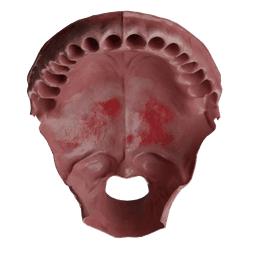
Leukoplakia Excision Surgery is a surgical procedure to remove abnormal white patches (leukoplakia) from the oral cavity, throat, or larynx. These patches are considered potentially precancerous and require careful evaluation and removal to prevent malignant transformation. The surgery is performed using laser, scalpel, or radiofrequency techniques depending on lesion size and location. Early excision significantly reduces the risk of oral and throat cancers and improves long-term outcomes.
ENT
Maxillectomy
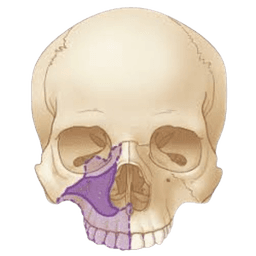
Maxillectomy is a complex surgical procedure that involves partial or complete removal of the maxilla (upper jaw bone). It is most commonly performed for malignant tumors, benign aggressive tumors, or extensive infections affecting the upper jaw and surrounding structures. The surgery may be classified into partial, total, or radical maxillectomy depending on the extent of tissue and bone removed.Reconstruction may involve prosthetic obturators, local flaps, or free tissue transfer to restore function and facial aesthetics. - brPostoperative recovery focuses on wound healing, speech and swallowing rehabilitation, and long- term oncological surveillance.Early diagnosis and multidisciplinary management significantly improve outcomes and quality of life.
ENT
Microdebrider Turbinectomy
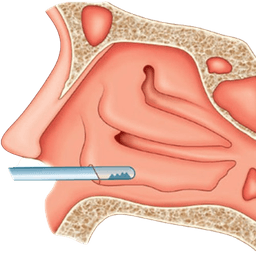
Microdebrider turbinectomy is a modern, minimally invasive surgical procedure used to reduce hypertrophied nasal turbinates that cause chronic nasal obstruction. The microdebrider is a powered instrument that precisely removes excess turbinate tissue while preserving mucosal lining, promoting faster healing and improved nasal airflow. This technique is commonly used for patients with allergic rhinitis, chronic sinusitis, or turbinate hypertrophy unresponsive to medical therapy. It offers reduced bleeding, minimal discomfort, and rapid recovery compared to traditional turbinectomy methods.
ENT
Microtia Surgery
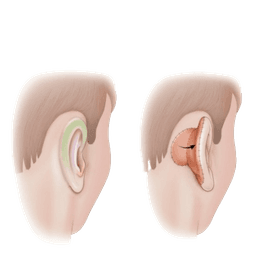
Microtia surgery is an advanced ENT reconstructive procedure designed to create or reshape the outer ear using either the patient’s own rib cartilage or synthetic implants. It is commonly performed in staged procedures to achieve a natural contour and symmetry with the opposite ear. In selected cases, hearing restoration procedures such as canalplasty or bone conduction devices may be combined. The surgery not only enhances facial balance but also plays a crucial role in psychological and social well being by improving self image and communication abilities.
ENT
Middle Ear Infection - Otitis Media
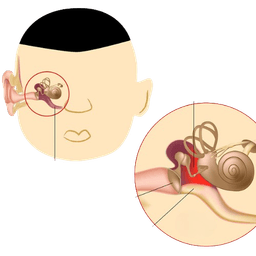
Middle Ear Infection, medically known as Otitis Media, is a common condition where the middle ear becomes inflamed, often due to bacterial or viral infections. It is especially prevalent in children but can affect adults as well. Symptoms typically include ear pain, hearing difficulties, fluid drainage, fever, and irritability in young children. Treatment options vary depending on the type and severity, ranging from conservative management with pain control and antibiotics to surgical interventions like tympanostomy tube insertion. Early diagnosis and proper management are crucial to prevent complications such as hearing loss, tympanic membrane perforation, or chronic infections. Regular follow-ups with an ENT specialist help ensure effective treatment and monitor long-term ear health.
ENT
Microlaryngeal Surgery - MLS
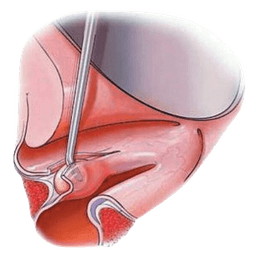
Microlaryngeal Surgery (MLS) is a specialized ENT procedure used to diagnose and treat benign and malignant lesions of the vocal cords and larynx. It employs high-precision microsurgical instruments under general anesthesia to remove abnormal tissue while preserving normal laryngeal function. MLS is indicated for vocal cord polyps, cysts, papillomas, early-stage cancers, and persistent hoarseness unresponsive to medical therapy. The procedure is performed under direct visualization with a surgical microscope, ensuring minimal trauma, precise excision, and preservation of voice quality. Postoperative care includes voice rest, anti-reflux measures, and follow-up laryngoscopic evaluation to monitor healing and prevent recurrence.
