Overview
Congenital limb defects correction surgery is a specialized orthopedic procedure performed to improve the structure, alignment, and function of limbs affected by birth related deformities. These conditions may involve missing bones, shortened limbs, abnormal joint formation, fused digits, or deformities affecting the arms, hands, legs, or feet. Surgical correction aims to enhance mobility, improve limb balance, restore functional movement, and support healthy physical development during childhood. Modern pediatric orthopedic reconstruction combines advanced surgical planning, limb preservation techniques, and rehabilitation strategies to help children achieve better long term mobility and quality of life.
Key Clinical Highlights
- Advanced Pediatric Reconstruction: Modern surgical techniques help restore limb structure and improve functional movement.
- Growth Focused Treatment: Treatment plans are designed to support healthy skeletal development during childhood.
- Comprehensive Rehabilitation: Integrated physiotherapy and orthopedic care improve long term mobility outcomes.
When to Consider
Congenital limb defects correction surgery is considered when limb deformities interfere with walking, hand function, joint stability, physical growth, or daily activities. Early orthopedic evaluation is important for children with visible skeletal abnormalities, unequal limb length, missing or fused fingers or toes, abnormal joint positioning, or progressive deformities affecting mobility and development. Surgical intervention may also be recommended to improve balance, reduce pain, support independent movement, and optimize long term functional outcomes during growth.
Improve Limb Function and Support Healthy Growth
The surgery helps children achieve better movement, balance, independence, and musculoskeletal development.
- Enhances Mobility: Corrective procedures improve walking, movement, and physical coordination.
- Supports Daily Function: Treatment helps improve grasping, standing, and overall physical activity.
- Reduces Future Complications: Early reconstruction may help prevent progressive deformity and joint stress.
Symptoms and Indications
- Visible Limb Deformity: Abnormal limb shape or alignment may be noticed at birth or during growth.
- Difficulty Walking: Leg deformities may interfere with balance and mobility.
- Limited Hand Function: Finger or hand abnormalities can affect grasping and coordination.
- Unequal Limb Length: One limb may appear shorter or underdeveloped compared to the other.
Types of Congenital Limb Defects Correction Surgery
Upper Limb Reconstruction
Corrective procedures designed for congenital abnormalities affecting arms or hands.
- Finger Separation Surgery: Separates fused fingers to improve hand movement and functionality.
- Hand Reconstruction: Reconstructive surgery improves grasping ability and hand alignment.
Lower Limb Reconstruction
Surgical correction for deformities involving legs, knees, ankles, or feet.
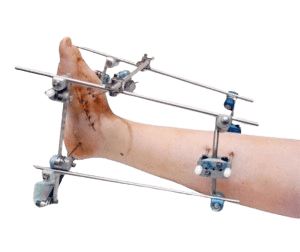
- Limb Lengthening: Gradually increases bone length to improve limb balance and mobility.
- Deformity Correction: Improves skeletal alignment and walking mechanics.
Pre-Procedure Preparation
- Orthopedic Imaging: Detailed scans and X rays assess bone structure and deformity severity.
- Growth Evaluation: Pediatric specialists evaluate skeletal growth and future development.
- Functional Assessment: Mobility and limb function are examined before surgical planning.
- Medical Clearance: General pediatric evaluation ensures surgical readiness.
Treatment Stages
- Initial Assessment (Day 1): Orthopedic evaluation and imaging studies
- Treatment Planning (Week 1): Customized reconstruction and growth planning
- Surgery (Week 2): Corrective orthopedic reconstruction procedure
- Rehabilitation (Week 4): Mobility training and recovery monitoring
Recovery Guidelines
- Follow Rehabilitation Plans: Physiotherapy helps improve strength, flexibility, and movement.
- Protect Surgical Areas: Proper care reduces strain and supports healthy healing.
- Attend Regular Follow Ups: Monitoring helps assess growth and long term correction outcomes.
- Encourage Gradual Activity: Controlled activity progression supports recovery and confidence.
Life After Treatment
- Many children experience improved mobility and physical independence after corrective surgery.
- Long term orthopedic follow up supports healthy growth and musculoskeletal balance.
- Modern reconstructive care helps children participate more comfortably in daily activities and physical development.
Comprehensive pediatric limb reconstruction can significantly improve function, mobility, and quality of life for children with congenital limb differences.
Potential Risks
- Delayed Bone Healing: Complex reconstruction may occasionally require extended recovery and monitoring.
- Residual Deformity: Some children may need staged correction procedures during growth.
- Infection: Postoperative infection risk is generally low but requires careful management.
Cost Estimation in India
Estimated procedure package range: $6,000 to $22,000 USD.
Package Inclusions:
- Pediatric orthopedic assessment
- Reconstructive limb surgery
- Implants and fixation devices
- Hospitalization and rehabilitation
Global Cost Comparison
- USA: $95,000 USD
- UK: $70,000 USD
- Germany: $65,000 USD
- Thailand: $32,000 USD
- India: $16,000 USD