Overview
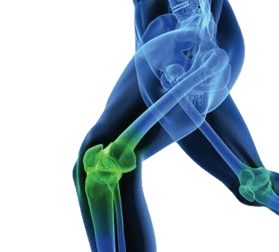
Orthopedic stem cell therapy is an advanced regenerative treatment that uses the body’s natural healing cells to repair damaged bones, cartilage, tendons, ligaments, and joints. This minimally invasive procedure is increasingly used in orthopedics to reduce pain, improve mobility, support tissue regeneration, and delay major surgeries such as joint replacement in selected patients.
Key Clinical Highlights
- Regenerative Healing: Supports biological repair rather than only symptom relief.
- Minimally Invasive: Performed through injections without large incisions or implants.
- Joint Preservation: May delay or reduce the need for joint replacement in selected patients.
When to Consider
Orthopedic stem cell therapy should be considered when joint pain, cartilage damage, tendon injury, or ligament degeneration continues despite conservative treatments such as medications, physiotherapy, or injections. It is commonly recommended for patients with early to moderate osteoarthritis, partial ligament tears, chronic tendon injuries, cartilage defects, delayed bone healing, and certain sports-related injuries where the body’s natural healing response is limited. This treatment is especially valuable for younger or active individuals looking to preserve their joints and avoid early surgery. Patients with avascular necrosis in its early stages may also benefit, as stem cell therapy may help improve bone survival and reduce progression. However, it is not ideal for severe joint destruction, complete ligament rupture requiring mechanical reconstruction, or advanced deformities. A full orthopedic evaluation with imaging and clinical assessment is essential to determine whether regenerative therapy is the right option.
Promote Natural Repair and Delay Surgery
Stem cell therapy can support healing in damaged orthopedic tissues where natural recovery is slow or incomplete.
- Reduces Inflammation: Helps control chronic inflammation inside joints and soft tissues.
- Enhances Tissue Repair: Stimulates repair of cartilage, tendons, and ligaments.
- Improves Mobility: May restore function and reduce pain during movement.
Symptoms and Indications
- Chronic Joint Pain: Persistent pain not improving with medications or therapy.
- Stiffness: Reduced flexibility and movement in the affected joint.
- Sports Injury: Partial tendon or ligament injuries needing regenerative support.
- Cartilage Damage: Early cartilage wear causing pain and restricted movement.
Types of Orthopedic Stem Cell Therapy
Bone Marrow Derived Stem Cells
The most commonly used orthopedic stem cells, harvested from the pelvis.
- BMAC Therapy: Bone marrow aspirate concentrate used for cartilage, tendon, and joint repair.
Adipose Derived Stem Cells
Stem cells collected from body fat with regenerative and anti-inflammatory properties.
- SVF Therapy: Stromal vascular fraction used in orthopedic soft tissue healing.
Pre-Procedure Preparation
- Imaging Tests: MRI or X-rays to identify tissue damage.
- Blood Work: General health screening before the procedure.
- Medication Review: Adjust medicines that may affect healing.
- Procedure Planning: Determine stem cell source and target area.
Treatment Stages
- Pre Arrival (Day 1): Consultation and imaging review
- Assessment (Day 2): Stem cell eligibility evaluation
- Procedure (Day 3): Harvesting and guided stem cell injection
- Recovery (Day 4-7): Observation and rehabilitation plan
Recovery Guidelines
- Limit Heavy Activity: Protect the treated area during early healing.
- Follow Rehabilitation: Structured therapy improves functional recovery.
- Hydrate Well: Supports tissue recovery and cellular repair.
- Attend Follow-Ups: Track healing progress and response to treatment.
Life After Treatment
- Many patients experience gradual pain relief and improved movement over weeks to months.
- Regenerative healing may continue for several months after the procedure.
- Long-term results depend on the severity of tissue damage and rehabilitation.
Orthopedic stem cell therapy is changing modern musculoskeletal care by focusing on repair, regeneration, and joint preservation.
Potential Risks
- Variable Results: Response to treatment may differ depending on tissue damage and biology.
- Injection Site Pain: Temporary soreness or swelling may occur after the procedure.
- Incomplete Healing: Severe structural injuries may still require surgery later.
Cost Estimation in India
Estimated procedure package range: $2,500 to $7,000 USD.
Package Inclusions:
- Stem cell harvesting
- Cell processing
- Guided injection procedure
- Follow-up evaluation
Global Cost Comparison
- USA: $12,000 USD
- UK: $9,500 USD
- Germany: $8,500 USD
- Thailand: $6,500 USD
- India: $4,000 USD