Overview
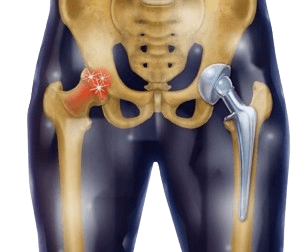
Hip replacement surgery is a highly effective orthopedic procedure designed to relieve severe hip pain and restore mobility in patients with advanced joint damage. The procedure involves replacing the damaged hip joint with an artificial implant that mimics natural joint movement. It is commonly recommended for patients suffering from osteoarthritis, rheumatoid arthritis, or traumatic injury where conservative treatments no longer provide relief. By restoring joint alignment and function, hip replacement significantly improves quality of life, allowing patients to return to daily activities with reduced pain and better movement.
Key Clinical Highlights
- Advanced Implant Technology: High quality implants ensure durability and natural joint movement.
- Minimally Invasive Approach: Smaller incisions reduce pain and accelerate recovery.
- Long Term Success: Modern techniques provide excellent outcomes and implant longevity.
When to Consider
Hip replacement surgery is recommended when chronic hip pain interferes with daily activities, walking, or sleep, and does not respond to medications, physiotherapy, or lifestyle modifications. It is also considered in cases of severe arthritis, joint degeneration, fractures, or avascular necrosis affecting the hip joint.
Restore Mobility and Relieve Pain
Hip replacement surgery helps eliminate chronic joint pain and restores smooth movement for better daily function.
- Pain Relief: Removes damaged joint surfaces causing pain.
- Improved Movement: Restores flexibility and walking ability.
- Better Quality of Life: Allows patients to return to normal activities.
Symptoms and Indications
- Chronic Hip Pain: Persistent pain that worsens with movement.
- Joint Stiffness: Difficulty in bending or rotating the hip.
- Reduced Mobility: Limited ability to walk or perform daily tasks.
- Pain at Rest: Discomfort even during sitting or sleeping.
Types of Hip Replacement Surgery
Total Hip Replacement
Entire hip joint is replaced with artificial components.
- Cemented: Implant fixed using bone cement.
- Cementless: Implant allows bone to grow into it.
Partial Hip Replacement
Only the damaged part of the hip joint is replaced.
- Hemiarthroplasty: Only the femoral head is replaced.
Pre-Procedure Preparation
- Medical Evaluation: Tests and imaging to assess joint condition.
- Medication Review: Adjust medications before surgery.
- Fasting: Avoid food before the procedure.
- Physical Preparation: Strengthening exercises before surgery.
Treatment Stages
- Pre Arrival (Day 1): Consultation and treatment planning
- Admission (Week 1): Evaluation and surgical preparation
- Surgery (Week 2): Hip replacement procedure
- Recovery (Weeks 3-6): Rehabilitation and follow up
Recovery Guidelines
- Start Walking Early: Begin movement with support after surgery.
- Physiotherapy: Exercises to regain strength and mobility.
- Avoid Strain: Limit heavy activities during recovery.
- Follow Up: Regular checkups for progress monitoring.
Life After Treatment
- Patients regain mobility and independence.
- Significant reduction in joint pain.
- Return to daily activities within weeks.
Hip replacement restores movement and allows patients to live an active and pain free life.
Potential Risks
- Infection: Rare but manageable with treatment.
- Dislocation: Implant may shift in early recovery phase.
- Blood Clots: Prevented with medication and mobility.
Cost Estimation in India
Estimated procedure package range: $4,000 to $9,000 USD.
Package Inclusions:
- Pre-surgery tests
- Hip replacement surgery
- Hospital stay
- Surgeon fees
Global Cost Comparison
- USA: $40,000 USD
- UK: $28,000 USD
- Germany: $25,000 USD
- Thailand: $15,000 USD
- India: $7,000 USD