Overview
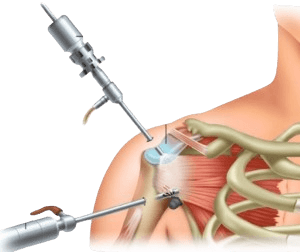
Shoulder labral tear surgery is an advanced minimally invasive orthopedic procedure used to repair damage to the labrum, a ring of cartilage that stabilizes the shoulder joint. This condition commonly occurs due to sports injuries, trauma, dislocations, or repetitive overhead activities. The surgery is typically performed arthroscopically using small incisions and a camera-guided system to precisely repair or reattach the torn labrum. It helps restore shoulder stability, reduce pain, and improve range of motion, especially in patients experiencing recurrent shoulder dislocations or persistent instability.
Key Clinical Highlights
- Minimally Invasive Arthroscopic Technique: Performed through small incisions with camera guidance, reducing tissue damage and recovery time.
- Restores Shoulder Stability: Repairs damaged labrum to prevent recurrent dislocations and instability.
- Sports Medicine Precision Repair: Highly effective for athletes requiring full shoulder function recovery.
When to Consider
Shoulder labral tear surgery is recommended for patients experiencing persistent shoulder pain, recurrent dislocations, instability, clicking or catching sensations, and reduced range of motion that does not improve with physiotherapy or medication. It is particularly indicated in athletes involved in contact sports, overhead throwing activities, or individuals who have suffered traumatic shoulder injuries. Surgical intervention is often necessary when imaging studies such as MRI confirm a significant labral tear or when shoulder instability affects daily activities and quality of life.
Restore Shoulder Stability and Prevent Recurrent Dislocations
This surgery is performed to repair torn labral tissue, restore joint stability, and improve shoulder function in patients with traumatic or repetitive shoulder injuries.
- Joint Stability Restoration: Prevents repeated shoulder dislocations and instability episodes.
- Pain Reduction: Reduces chronic shoulder pain caused by labral damage.
- Return to Sports Activity: Helps athletes regain full shoulder performance and strength.
Symptoms and Indications
- Shoulder Pain: Persistent pain especially during overhead or rotational movements.
- Shoulder Instability: Feeling that the shoulder may slip or dislocate.
- Clicking or Catching Sensation: Abnormal mechanical sounds or movement inside the joint.
- Weakness in Arm: Reduced strength during lifting or sports activities.
Types of Shoulder Labral Tear Surgery (Arthroscopic Labrum Repair)
Bankart Repair
Repairs labral tears associated with anterior shoulder dislocations.
- Arthroscopic Bankart Repair: Minimally invasive repair using anchors to restore stability.
SLAP Repair
Repairs superior labrum anterior posterior tears commonly seen in athletes.
- SLAP Lesion Repair: Reattachment of torn labrum at the top of the shoulder socket.
Pre-Procedure Preparation
- MRI Evaluation: Detailed imaging to confirm labral tear location and severity.
- Physical Assessment: Clinical stability tests of the shoulder joint.
- Anesthesia Clearance: Pre-surgical fitness evaluation.
- Surgical Planning: Determining arthroscopic repair technique.
Treatment Stages
- Diagnosis (Day 1): Clinical evaluation and MRI imaging to confirm labral tear
- Surgical Planning (Week 1): Arthroscopic planning and anesthesia preparation
- Surgery (Week 2): Arthroscopic labral repair using anchors and sutures
- Rehabilitation (6–16 weeks): Physiotherapy for strength, mobility, and shoulder stability recovery
Recovery Guidelines
- Immobilization Phase: Use sling support during early healing.
- Gradual Physiotherapy: Restore mobility and strength step by step.
- Avoid Overhead Activity: Prevent strain on repaired labrum during recovery.
- Regular Follow-up: Monitor healing and shoulder stability progress.
Life After Treatment
- Improved shoulder stability and reduced dislocation risk
- Restored range of motion and strength
- Return to daily and sports activities with confidence
Shoulder labral repair restores the foundation of joint stability, allowing patients to regain pain-free and functional shoulder movement.
Potential Risks
- Stiffness: Temporary reduced shoulder mobility during recovery phase.
- Re-tear Risk: Rare possibility of re-injury in high-impact activities.
- Post-operative Pain: Expected temporary discomfort after surgery.
Cost Estimation in India
Estimated procedure package range: $5,000 to $12,000 USD.
Package Inclusions:
- Pre-operative orthopedic consultation and imaging review
- MRI-based surgical planning
- Arthroscopic labral repair procedure
- Anchors and suture fixation materials
- Hospital stay and anesthesia services
- Post-operative rehabilitation and physiotherapy plan
Global Cost Comparison
- USA: $25,000 USD
- UK: $20,000 USD
- Germany: $18,000 USD
- Thailand: $12,000 USD
- India: $8,000 USD