
Oncology Treatments & Procedures in India

Hematology
Bone Marrow Cancer
Bone marrow cancer refers to malignancies that originate in the blood-forming cells of the bone marrow. The marrow, which produces red cells, white cells, and platelets, becomes overrun by abnormal cells, disturbing normal blood production. The main types include multiple myeloma, leukemia, and lymphoma, each with distinct patterns, symptoms, and treatment protocols.

Hematology
Autologous Stem Cell Transplant for Lymphoma
Autologous stem cell transplant (ASCT) is a cornerstone therapy for relapsed or high-risk lymphoma, allowing the use of aggressive chemotherapy to eradicate cancer while rescuing marrow function through reinfusion of the patient’s own stem cells. This approach enhances survival outcomes, prolongs remission, and avoids the immune complications of donor transplants.
Cardiac Surgery
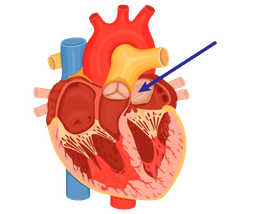
Cardiac Tumor
A cardiac tumor is a rare but serious condition that develops in or around the heart. These tumors can be benign (non-cancerous) or malignant (cancerous), and both types may interfere with the heart’s ability to pump blood effectively. Although rare, cardiac tumors can cause life-threatening complications if left untreated. With advancements in cardiac surgery and imaging, early detection and treatment have significantly improved patient outcomes.
Bariatric Surgery
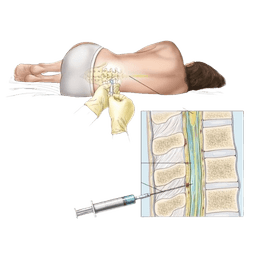
Acute Lymphocytic Leukemia - ALL (Adults)
Acute Lymphocytic Leukemia (ALL) in adults is an aggressive malignancy of the bone marrow where immature lymphoid cells proliferate and crowd out normal blood production. Prompt diagnosis, risk stratification, and multi-agent therapy are essential because adult ALL behaves more aggressively than childhood ALL and requires tailored treatment plans involving chemotherapy, targeted agents, and sometimes stem cell transplant. Supportive care (infection prevention, transfusions) and close monitoring of complications are equally important.
Bariatric Surgery
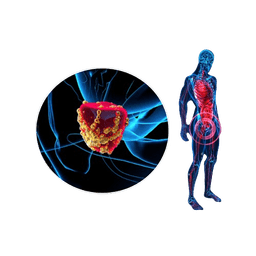
Adenocarcinoma (Glandular Cancer)
Adenocarcinoma describes malignant tumors that arise from glandular epithelium and can affect organs such as the lung, colon, pancreas, prostate, or stomach. Clinical behaviour and treatment depend on the organ of origin and stage; management typically combines surgery, systemic therapy, and sometimes radiation or organ-specific targeted agents. Histopathology and molecular profiling guide prognosis and personalized therapy.
Bariatric Surgery
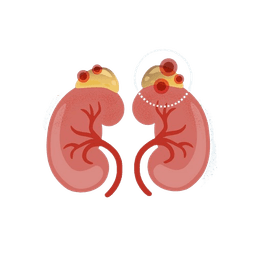
Adrenal Cancer
Adrenal cancer arises from the adrenal cortex and can be functional (hormone-secreting) or non-functional. Functional tumors cause clinical syndromes (Cushing’s, virilization) while non-functional tumors often present late with mass effect or metastasis. Early detection and complete surgical excision offer the best chance for cure; multidisciplinary care includes endocrine evaluation and consideration of mitotane or systemic therapy for advanced disease.

Bariatric Surgery
Anal Cancer
Anal cancer typically arises from the squamous cells lining the anal canal, often associated with persistent HPV infection. It’s a relatively uncommon but highly treatable cancer when diagnosed early. Modern therapy emphasizes combined chemoradiation over surgery, preserving function and achieving excellent local control rates.
Bariatric Surgery
Bile Duct Cancer
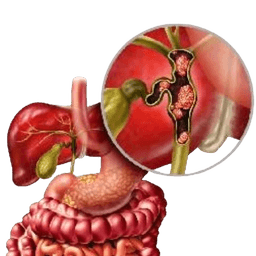
Bile duct cancer, or cholangiocarcinoma, develops in the ducts that carry bile from the liver to the intestine. It can occur inside or outside the liver and often presents late with jaundice and weight loss. Multidisciplinary management with surgery, biliary drainage, and systemic therapy offers the best outcomes.

Bariatric Surgery
Bladder Cancer
Bladder cancer originates from the urothelium, the lining of the bladder. Most cases are transitional cell carcinoma, presenting with painless hematuria. Early detection and appropriate endoscopic or surgical treatment can lead to long-term cure, especially for non-muscle invasive disease.
Bariatric Surgery
Bone Cancer
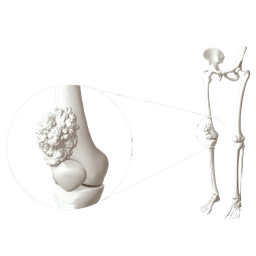
Bone cancer arises when cells within the bone multiply abnormally, forming a malignant tumor. It can start in the bone itself (primary) or spread from another site (secondary). Early diagnosis and multidisciplinary management are key to improving outcomes.
Bariatric Surgery
Breast Cancer Surgery
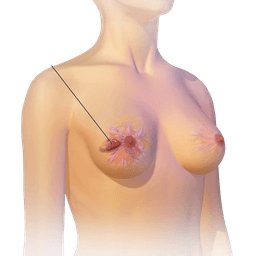
Breast cancer surgery includes procedures like lumpectomy, mastectomy, and reconstructive surgery. The goal is to remove cancer while preserving aesthetics and functionality.

Bariatric Surgery
Cancer Surgery
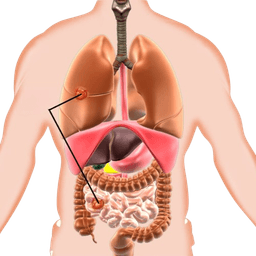
Cancer surgery involves removing malignant tumors and surrounding tissue to prevent recurrence or spread. It’s often combined with chemotherapy, radiation, or immunotherapy for a complete cure strategy.
Bariatric Surgery
Carcinoid Tumors
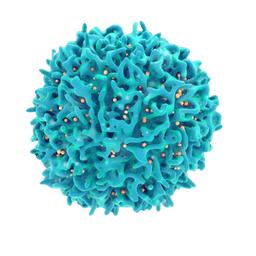
Carcinoid tumors arise from neuroendocrine cells that release hormones. They usually grow slowly but can cause systemic symptoms known as carcinoid syndrome.
Bariatric Surgery
Carcinoma of Unknown Primary-CUP
CUP refers to metastatic cancer detected in the body without a known origin. It requires sophisticated imaging, pathology, and genetic testing to find the source and guide therapy.
Bariatric Surgery
Cervical Cancer
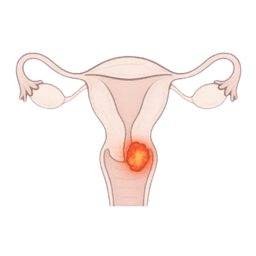
Cervical Cancer arises in the lower part of the uterus (cervix) and is primarily linked to persistent HPV infection. Early screening through Pap smears and HPV tests helps detect precancerous changes before they progress.

Bariatric Surgery
Chemotherapy
Chemotherapy is a systemic treatment using cytotoxic drugs to kill rapidly dividing cancer cells. It may be used alone or alongside surgery and radiation, depending on cancer type and stage.

Bariatric Surgery
Chronic Lymphocytic Leukemia-CLL
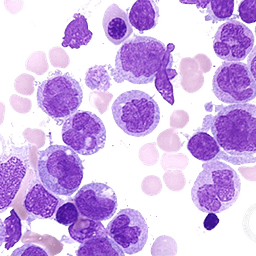
Chronic Lymphocytic Leukemia (CLL) is a type of blood and bone marrow cancer that primarily affects B lymphocytes. It develops slowly, often discovered during routine blood tests, and commonly affects older adults.
Bariatric Surgery
Chronic Myelomonocytic Leukemia
Chronic Myelomonocytic Leukemia (CMML) is a rare blood disorder that combines features of myelodysplastic syndromes and myeloproliferative neoplasms. It leads to increased monocytes and abnormal bone marrow function.

Bariatric Surgery
Chronic Myeloid Leukemia-CML
Chronic Myeloid Leukemia (CML) is a type of blood cancer that starts in the bone marrow due to a genetic change known as the Philadelphia chromosome. It leads to uncontrolled growth of myeloid cells but responds well to targeted therapy.

Bariatric Surgery
Colon Cancer
Colon cancer begins as a benign polyp that can transform into a malignant tumour over years. Screening colonoscopy detects and removes precancerous polyps, while staging and multidisciplinary care guide curative surgery, chemotherapy, or combined therapies when needed. Early-stage cases often have excellent outcomes; advanced disease benefits from individualized systemic and surgical strategies.
Bariatric Surgery
Endometrial Cancer
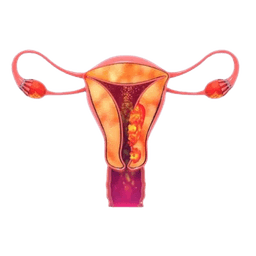
Endometrial cancer originates from the lining of the uterus and most commonly affects postmenopausal women. Abnormal uterine bleeding is the usual presenting symptom, prompting ultrasound and biopsy. Management is stage-directed, frequently curative with surgery and supplemented by radiation or systemic therapy when indicated.
Bariatric Surgery
Esophagus Cancer
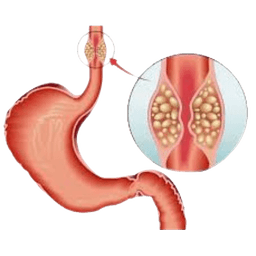
Esophageal cancer develops in the lining of the oesophagus and commonly presents with progressive dysphagia. Major subtypes are squamous cell carcinoma and adenocarcinoma, each with distinct risk factors and treatment pathways. Management usually involves multimodality therapy including surgery, chemotherapy, and radiation for the best chance of cure.

Bariatric Surgery
Ewing Family of Tumors
The Ewing family of tumors represents a group of aggressive cancers that primarily affect the bones or soft tissues. These tumors most often occur in children and young adults, commonly involving the pelvis, femur, or chest wall. Treatment typically combines chemotherapy, surgery, and sometimes radiation therapy, aiming to eradicate disease and preserve function.

Bariatric Surgery
Excision of Ear Tumor
Excision of ear tumors is performed to remove benign or malignant growths involving the external or middle ear. Early surgical removal ensures preservation of hearing, facial nerve integrity, and cosmetic outcome. Depending on tumor type, adjunct radiotherapy or reconstruction may be required.

Bariatric Surgery
Eye Cancer
Eye cancer refers to malignant growths within or around the eye, including retinoblastoma in children and ocular melanoma in adults. Early diagnosis through ophthalmic evaluation and imaging improves both survival and vision outcomes. Management may include surgery, radiation, chemotherapy, or laser therapy based on type and extent.
Bariatric Surgery
Fallopian Tube Cancer
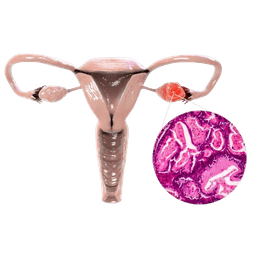
Fallopian tube cancer originates in the epithelial cells of the tubes connecting the ovaries to the uterus. It often presents with symptoms similar to ovarian cancer and may spread to nearby reproductive organs. Early detection and surgery can significantly improve outcomes.
Bariatric Surgery
Gallbladder Cancer
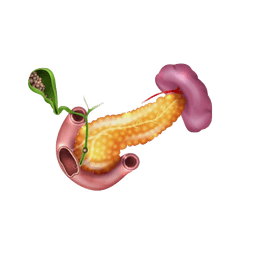
Gallbladder cancer develops in the bile-storing organ beneath the liver. It is often associated with chronic gallstones and gallbladder inflammation. Early surgical intervention offers the best chance of cure.

Bariatric Surgery
Gastrointestinal Stromal Tumor-GIST
GISTs are tumors that develop from interstitial cells of Cajal in the digestive tract wall. They most commonly occur in the stomach or small intestine and can be benign or malignant. Targeted drugs have revolutionized treatment outcomes.
Bariatric Surgery
Genitourinary Cancer
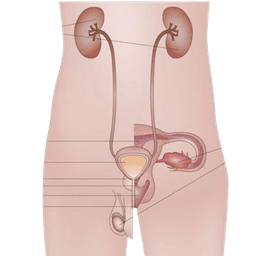
Genitourinary cancer encompasses malignancies of the urinary and reproductive organs. These include kidney, bladder, testicular, and prostate cancers. Early detection through screening and imaging helps improve treatment success rates.
Bariatric Surgery
Hairy Cell Leukemia-HCL
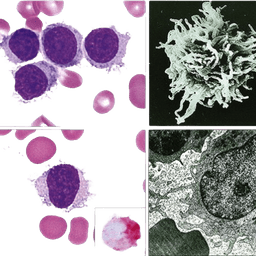
Hairy cell leukemia (HCL) is a slow-growing cancer of the blood and bone marrow. It causes abnormal B cells with hair-like projections that crowd out healthy cells. Modern targeted therapies offer excellent long-term control.
