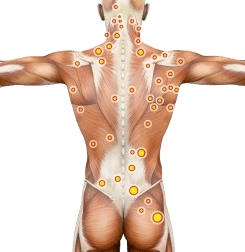
Overview
Trigger point injection is a minimally invasive procedure used to treat painful muscle knots known as trigger points. These tight areas can cause localized discomfort and referred pain. The injection helps relax the muscle, reduce pain, and improve overall movement in affected areas.
Key Clinical Highlights
- Targeted Pain Relief: Directly treats the source of muscle pain by deactivating trigger points.
- Quick Outpatient Procedure: Performed within minutes without the need for surgery or hospital stay.
- Supports Rehabilitation: Helps improve muscle flexibility and enhances results of physiotherapy.
When to Consider
Trigger point injection is considered when patients experience persistent muscle pain, tightness, or tenderness that does not improve with rest, medications, or physical therapy. It is often recommended for conditions such as myofascial pain syndrome, tension headaches, fibromyalgia, and chronic neck or back pain where trigger points contribute to ongoing discomfort and restricted movement.
Manage Chronic Muscle Pain
Trigger point injection helps reduce persistent muscle discomfort and improves daily function when conservative treatments are not sufficient.
- Pain Control: Helps reduce localized muscle pain and tenderness.
- Muscle Relaxation: Releases tight muscle knots and improves flexibility.
- Improved Function: Supports better movement and daily activity performance.
Symptoms and Indications
- Localized Muscle Pain: Persistent pain in specific muscle areas that worsens with movement.
- Muscle Tightness: Presence of tender knots or tight bands within the muscle.
- Restricted Movement: Difficulty moving affected muscles due to stiffness.
- Referred Pain: Pain spreading from the trigger point to nearby or distant areas.
Types of Trigger Point Injection
Dry Needling
A technique where a needle is inserted without medication to release tight muscle bands.
- Superficial Needling: Targets trigger points near the surface of the muscle.
- Deep Needling: Reaches deeper muscle layers for persistent pain relief.
Medication Based Injection
Uses anesthetic or anti inflammatory medication to reduce pain and irritation.
- Local Anesthetic Injection: Provides short term pain relief and muscle relaxation.
Pre-Procedure Preparation
- Medical Evaluation: Doctor assesses pain areas and confirms trigger points.
- Medication Review: Certain medications may be adjusted before the procedure.
- Hydration: Staying hydrated may help improve muscle response.
- Site Preparation: Skin over the injection area is cleaned to maintain sterility.
Treatment Stages
- Pre Arrival (Day 1): Consultation and pain assessment
- Admission (Day 2): Examination and identification of trigger points
- Procedure (Same Day): Injection into affected muscle areas
- Recovery (Same Day): Short observation and discharge
Recovery Guidelines
- Gentle Stretching: Light exercises help maintain muscle flexibility after treatment.
- Cold Application: Ice packs may reduce soreness at the injection site.
- Avoid Overuse: Limit heavy physical activity for a short period.
- Follow Therapy Plan: Combine with physiotherapy for better long term results.
Life After Treatment
- Many patients notice reduction in muscle pain after treatment.
- Improved flexibility supports daily movement and comfort.
- Ongoing therapy may be needed for sustained results.
The procedure helps manage muscle pain effectively when combined with proper rehabilitation and care.
Potential Risks
- Mild Soreness: Temporary discomfort at the injection site is common.
- Minor Bleeding: Small bruising or bleeding may occur in some cases.
- Infection: Rare risk when proper sterile technique is followed.
Cost Estimation in India
Estimated procedure package range: $200 to $800 USD.
Package Inclusions:
- Clinical evaluation
- Injection procedure
- Medication cost
- Doctor fees
Global Cost Comparison
- USA: $2,000 USD
- UK: $1,500 USD
- Germany: $1,200 USD
- Thailand: $600 USD
- India: $300 USD