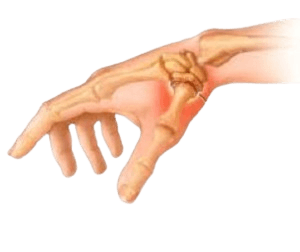
Overview
Thumb Arthroplasty is an advanced orthopedic hand surgery procedure performed to relieve pain and restore thumb movement in patients with severe thumb joint arthritis or degenerative joint damage. The surgery is most commonly recommended for arthritis affecting the carpometacarpal joint at the base of the thumb, a condition that can significantly impact grip strength, pinching ability, and hand function during routine daily activities. By reconstructing or replacing the damaged thumb joint using specialized surgical techniques, the procedure helps improve mobility, reduce chronic discomfort, and restore functional hand performance. Modern reconstructive methods combined with minimally invasive surgical approaches and postoperative rehabilitation programs have significantly enhanced recovery outcomes and long term joint function after thumb arthroplasty.
Key Clinical Highlights
- Pain Relieving Reconstruction: The procedure significantly reduces chronic thumb joint pain and irritation.
- Mobility Preservation: Thumb arthroplasty helps maintain functional thumb movement and flexibility.
- Enhanced Hand Function: Patients often regain stronger grip and improved pinching ability after recovery.
When to Consider
Thumb Arthroplasty should be considered when patients experience persistent thumb base pain, joint stiffness, weak grip strength, difficulty pinching objects, or reduced hand function that interferes with daily activities despite conservative treatment. The surgery is especially beneficial for individuals with advanced thumb arthritis who struggle with opening jars, writing, lifting objects, or repetitive hand movements. Early orthopedic and hand surgery evaluation is important when symptoms progressively affect independence, occupational tasks, or fine motor coordination.
Restore Thumb Strength and Comfortable Hand Function
The surgery helps improve thumb movement, reduce pain, and restore hand performance during everyday activities.
- Reduced Joint Pain: Reconstructing the damaged thumb joint helps relieve chronic discomfort.
- Improved Grip and Pinch: Patients often regain better hand control and gripping strength.
- Enhanced Daily Function: The procedure improves comfort during writing, lifting, and fine hand activities.
Symptoms and Indications
- Thumb Base Pain: Pain at the base of the thumb commonly worsens with gripping or pinching.
- Joint Stiffness: Arthritic damage may reduce thumb flexibility and movement.
- Weak Grip Strength: Patients may struggle to hold or open objects comfortably.
- Swelling Around the Joint: Inflammation and tenderness may develop around the thumb base.
Types of Thumb Arthroplasty
Ligament Reconstruction Tendon Interposition
Uses tendon tissue to stabilize and cushion the thumb joint after removing damaged bone surfaces.
- Traditional LRTI Procedure: A widely used reconstructive technique for advanced thumb arthritis.
- Modified Tendon Suspension: Provides additional joint stability and thumb support.
Thumb Joint Implant Arthroplasty
Artificial implant components are used to restore thumb joint movement.
- Silicone Implant Arthroplasty: Uses flexible implant materials to improve thumb mobility.
- Metal and Polyethylene Implant: Offers durable joint reconstruction with improved functional movement.
Pre-Procedure Preparation
- Diagnostic Imaging: X rays and hand evaluation help assess joint degeneration.
- Medical Assessment: Overall health and surgical suitability are carefully reviewed.
- Procedure Selection: The surgeon chooses the most appropriate reconstructive method.
- Preoperative Instructions: Patients receive guidance regarding medications and recovery planning.
Treatment Stages
- Hand Evaluation (Day 1): Clinical examination and imaging assessment
- Surgical Planning (Week 1): Procedure selection and thumb reconstruction planning
- Surgery (Week 2): Thumb arthroplasty reconstruction procedure
- Rehabilitation (Week 5): Hand therapy and strength recovery
Recovery Guidelines
- Attend Hand Therapy: Specialized rehabilitation helps restore thumb mobility and strength.
- Protect the Thumb: Splints or braces may support healing during the early recovery period.
- Avoid Heavy Gripping: Forceful hand activities should be limited while healing progresses.
- Maintain Follow Up Care: Regular reviews help monitor joint stability and functional recovery.
Life After Treatment
- Many patients experience improved thumb comfort and stronger hand function after recovery.
- Rehabilitation programs help restore flexibility, coordination, and gripping ability.
- Modern reconstructive techniques support long term pain relief and functional thumb movement.
Thumb arthroplasty can restore comfort, movement, and hand performance by rebuilding a painful arthritic thumb joint.
Potential Risks
- Temporary Weakness: Hand strength may take time to fully recover during rehabilitation.
- Joint Instability: Rare cases may experience looseness or reduced thumb support after surgery.
- Infection: Postoperative infection is uncommon but possible with any hand surgery procedure.
Cost Estimation in India
Estimated procedure package range: $4,000 to $9,500 USD.
Package Inclusions:
- Orthopedic and hand surgery consultation
- Thumb arthroplasty procedure
- Hospital and surgical charges
- Postoperative rehabilitation and therapy
Global Cost Comparison
- USA: $25,000 USD
- UK: $19,000 USD
- Germany: $18,000 USD
- Thailand: $12,000 USD
- India: $7,000 USD