
Hematology Treatments & Procedures in India

Hematology
Pulmonology
Pulmonology is the medical specialty that deals with the respiratory system, including the lungs, bronchial tubes, and related structures. It covers both acute and chronic lung diseases, ranging from infections to structural and autoimmune conditions. Pulmonologists use advanced diagnostics like pulmonary function tests, imaging, and bronchoscopy to guide precise treatments.

Hematology
Bone Marrow Transplant
A bone marrow transplant is a medical procedure where healthy stem cells are infused into the patient to replace damaged or destroyed bone marrow. It’s a cornerstone treatment for leukemia, lymphoma, and other hematologic diseases, enabling recovery of normal blood production after intensive chemotherapy or radiation.

Hematology
HIV (Human Immunodeficiency Virus)
HIV is a viral infection that attacks the body’s immune system, specifically the CD4 T-cells that help fight infections. Without treatment, it progresses to AIDS (Acquired Immunodeficiency Syndrome). Early diagnosis and consistent antiretroviral therapy (ART) can suppress viral load, protect immunity, and enable near-normal life expectancy.

Hematology
Thalassemia
Thalassemia is a group of inherited disorders resulting in reduced or absent synthesis of one of the globin chains of hemoglobin, leading to ineffective erythropoiesis and chronic anemia. Clinical severity ranges from mild trait to transfusion-dependent thalassemia major. Management combines regular transfusion, iron chelation, monitoring for complications and, when appropriate, curative hematopoietic stem cell transplant or emerging gene therapies. Early diagnosis, family counselling and a coordinated long-term plan markedly improve outcomes and lifespan.

Hematology
Autism - Stem Cell Therapy
Stem cell therapy for autism is an emerging regenerative approach designed to enhance neurological and behavioral outcomes in individuals with autism spectrum disorder (ASD). The treatment works by modulating inflammation, improving neuronal connectivity, and supporting neurovascular repair using either the patient’s own stem cells (autologous) or carefully matched donor cells. Though still under research, controlled and ethical clinical use in specialized centers aims to reduce core symptoms like social withdrawal, repetitive behavior, and speech delay.
Hematology
Aplastic Anemia
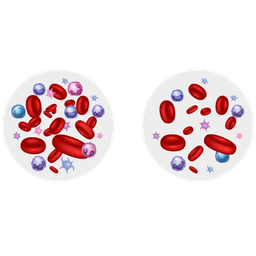
Aplastic anemia is a life-threatening condition in which the bone marrow fails to produce sufficient red cells, white cells and platelets leading to anemia, infections and bleeding. Causes include immune-mediated destruction, toxins, viral infections or idiopathic mechanisms. Management ranges from supportive transfusions and infection control to immunosuppressive therapy and hematopoietic stem cell transplant for definitive treatment in eligible patients.
Hematology
Autologous Bone Marrow Transplant
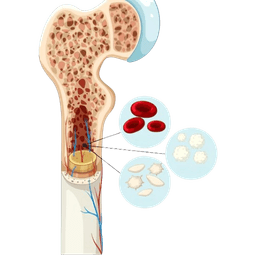
An autologous bone marrow transplant is a procedure in which a patient’s own stem cells are collected, preserved, and re-infused after intensive chemotherapy or radiation therapy. It’s primarily used in treating blood cancers like multiple myeloma and certain lymphomas. The key benefit is lower risk of rejection and graft-versus-host disease since the patient’s own cells are used.
Hematology
Allogeneic Bone Marrow Transplant
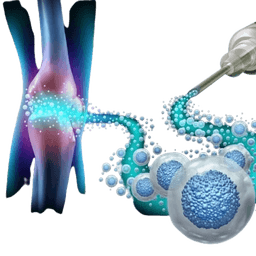
Allogeneic bone marrow transplant is a major, potentially curative therapy in which healthy hematopoietic stem cells from a carefully matched donor are infused into a recipient whose own marrow is failing or diseased. The donor cells re-establish blood cell production and immune function and can exert a graft-versus-disease effect against malignancy. This complex pathway involves conditioning, transplant, close inpatient monitoring and long-term immunosuppression and surveillance to maximize engraftment and minimize complications.
Hematology
Immunotherapy
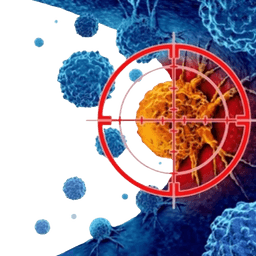
Immunotherapy uses the body’s immune system to identify and eliminate diseased cells, most commonly in cancers of the blood and immune system. Treatments range from monoclonal antibodies and checkpoint inhibitors to adoptive cell therapies (including CAR-T) that reprogram immune cells to attack malignancy. In hematology, immunotherapy is used to achieve durable remissions with an emphasis on careful patient selection, toxicity monitoring and combining with systemic therapies when needed. The goal is a targeted, durable anti-disease response with preservation of overall immune function.

Hematology
Anti-Aging Stem Cell Therapy
Anti-aging stem cell therapy refers to a regenerative approach that harnesses hematopoietic or mesenchymal stem cells to support tissue repair, reduce inflammation, and improve functional vitality. Treatments can involve autologous stem cells harvested from bone marrow or adipose tissue, processed according to strict laboratory standards and reintroduced to promote regeneration in targeted systems. These interventions are delivered with careful patient selection, realistic expectations and integrated into a broader life and medical plan.
