Overview
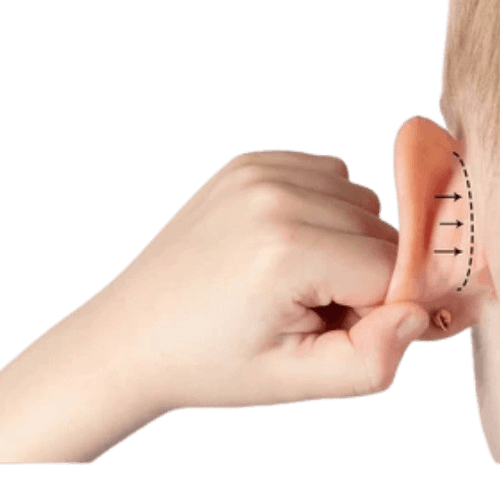
Pediatric Otoplasty is a cosmetic and reconstructive surgery that reshapes a child’s ears to correct protrusion, asymmetry, or deformity.
Usually performed after age five when ear growth is nearly complete, it’s a safe outpatient procedure that improves both appearance and confidence.
The goal is natural balance without visible scars.
Overview And Clinical Background
Understanding Ear Shape And Development
Children may be born with ears that stick out or have abnormal folds.
Otoplasty adjusts cartilage to create a normal contour and proportionate position.
It’s one of the most common pediatric plastic surgeries and offers lasting results.
- Common reason:: Prominent or asymmetric ears since birth.
- Cartilage reshaping restores a natural, balanced look.
- Timing:: Best done after age 5 when ear cartilage stabilizes.
Symptoms, Signs And Presentation
There are no physical symptoms—concern is usually cosmetic or psychological.
Children may experience teasing or self-consciousness at school, prompting evaluation.
- Common concern:: Protruding or uneven ears noticeable from the front.
- Emotional distress or embarrassment during social interaction.
- Red flag:: Post-surgical infection or abnormal scar formation.
Diagnosis Methods And Investigations
Physical Assessment And Surgical Planning
Diagnosis is purely visual—examining ear position, fold, and cartilage structure.
The surgeon discusses goals with parents and child, planning incision placement behind the ear for minimal visibility.
- Imaging:: Rarely needed unless there’s a complex congenital deformity.
- Pre-surgery checks:: Routine blood tests and anesthesia clearance.
- Measurements taken for symmetry planning.
Treatment Options And Surgical Techniques
Otoplasty can be done under general or local anesthesia.
The surgeon reshapes ear cartilage using sutures or minor excision to fold it closer to the head.
Results are immediate and typically permanent.
- Conservative:: Ear molding in infancy for flexible cartilage.
- Surgical approach:: Cartilage scoring or suturing for desired contour.
- Incisions placed behind the ear for hidden scars.
Recovery, Risks And Prognosis
Recovery takes about one to two weeks.
Mild swelling or soreness resolves quickly.
Long-term results are stable, and satisfaction rates are very high when done by experienced surgeons.
Why Choose Us
CureU Healthcare offers pediatric plastic surgeons skilled in delicate ear reshaping.
We focus on natural results, minimal discomfort, and full emotional reassurance for children and families.
Conclusion
Pediatric Otoplasty offers lifelong confidence through balanced ear shape.
CureU ensures safe, subtle, and compassionate surgical care.


