Overview
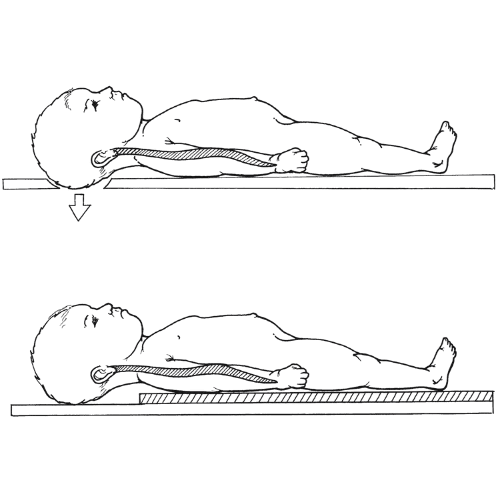
Pediatric Head and Spine Trauma involves injuries to a child’s brain, skull, or spinal cord, often from falls, accidents, or sports.
Children require special evaluation since their bones and nervous systems are still developing.
Quick diagnosis and treatment prevent long-term neurological issues and promote full recovery.
Overview And Clinical Background
Understanding Traumatic Injuries In Children
Head and spine injuries in children differ from adults due to flexible bones and growing tissues.
Even minor trauma can cause significant internal injury.
Early stabilization and neuroimaging are vital for preventing permanent damage.
- Common cause:: Falls, road accidents, or sports injuries.
- Head and spine injuries may coexist and need coordinated management.
- Goal:: Prevent brain swelling and protect spinal cord function.
Symptoms, Signs And Presentation
Children may show loss of consciousness, vomiting, irritability, or neck pain after trauma.
Some may seem normal initially, so observation is key.
Spine injury signs include limb weakness or abnormal reflexes.
- Common symptom:: Headache, confusion, or vomiting after a fall.
- Neck stiffness or movement limitation.
- Red flag:: Loss of consciousness or limb weakness—seek emergency care immediately.
Diagnosis Methods And Investigations
Neuroimaging And Neurological Assessment
Assessment starts with vital stabilization followed by imaging like CT or MRI.
Neurological scoring systems help track brain function.
In spine trauma, X-rays or MRI confirm alignment and cord injury.
- Imaging:: CT for head injuries, MRI for spinal cord and soft tissue evaluation.
- Lab tests:: Blood work to monitor bleeding risk and systemic stress.
- Continuous observation for evolving neurological symptoms.
Treatment Options And Surgical Techniques
Management ranges from observation to surgery depending on injury type.
Mild injuries need rest and monitoring.
Severe head or spine injuries may need decompression surgery, stabilization, or rehabilitation.
- Conservative:: Observation, rest, and symptom control for mild trauma.
- Minimally invasive options:: Endoscopic evacuation or decompression in select cases.
- Open neurosurgical repair for major fractures or cord compression.
Recovery, Risks And Prognosis
Recovery time depends on severity.
Children usually recover faster than adults but need careful monitoring for cognitive or motor delays.
Rehabilitation ensures return to normal life and school activities.
Why Choose Us
CureU Healthcare provides 24×7 pediatric trauma response with neurosurgeons, intensivists, and rehabilitation teams.
We focus on safety, precision, and holistic recovery for every child.
Conclusion
Prompt, skilled care can turn a serious injury into a full recovery.
CureU ensures your child receives rapid, expert, and compassionate trauma management.


