Overview
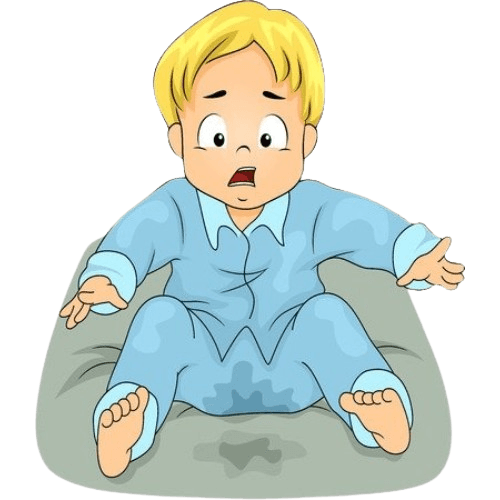
Pediatric bedwetting, medically known as nocturnal enuresis, is a condition where children involuntarily pass urine during sleep.
It’s common, especially before age seven, and often linked to delayed bladder control or deep sleep patterns.
While most kids outgrow it, persistent cases may need evaluation to rule out underlying causes such as infections or hormonal imbalances.
Overview And Clinical Background
Understanding Childhood Enuresis
Bedwetting is not a sign of laziness or bad habits.
It results from a mix of factors like slow bladder development, low nighttime hormone levels, or family tendencies.
Emotional stress can worsen it, but reassurance and patience are key to management.
- Primary enuresis:: Child has never achieved dry nights.
- Secondary enuresis occurs after six months of dryness.
- Family link:: Often runs in families with similar childhood history.
Symptoms, Signs And Presentation
The main sign is nighttime wetting during sleep without awareness.
Some children may also have daytime urgency or frequency.
Persistent cases can affect confidence or social comfort.
- Common symptom:: Urine leakage during sleep several times a week.
- Occasional daytime dribbling or urgency.
- Red flag:: Pain, fever, or abnormal urine color suggesting infection.
Diagnosis Methods And Investigations
Clinical Assessment And Urine Tests
Diagnosis is mainly clinical, based on history and frequency.
Doctors may check urine for infection or diabetes and assess bladder function.
In rare cases, imaging helps rule out anatomical issues.
- Imaging:: Ultrasound if kidney or bladder issues are suspected.
- Lab tests:: Urinalysis to check for infection or sugar levels.
- Voiding diaries help track patterns for better planning.
Treatment Options And Surgical Techniques
Treatment focuses on behavioral and lifestyle strategies.
Bedwetting alarms, scheduled night awakenings, and bladder training are effective.
Medications like desmopressin may help when behavioral methods fail.
Surgery is rarely needed unless structural issues exist.
- Conservative:: Positive reinforcement and bladder training exercises.
- Medication:: Desmopressin or anticholinergics in selected cases.
- Surgical correction only if an anatomical problem exists.
Recovery, Risks And Prognosis
Most children gradually achieve dryness with consistent support.
Emotional reassurance is vital as punishment worsens anxiety.
Relapse can occur during stress but usually improves with routine.
Why Choose Us
CureU Healthcare blends pediatric behavioral therapy with urological expertise.
We emphasize compassionate, family-focused guidance to help children regain confidence naturally.
Conclusion
Bedwetting is common and treatable.
With the right blend of patience, evaluation, and professional care, most children achieve full control and confidence.


