Overview
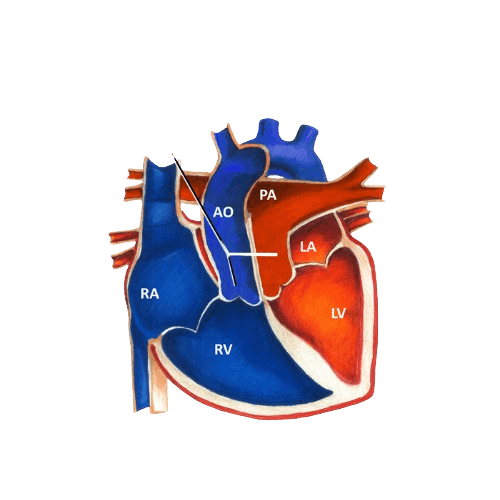
The arterial switch operation is a life-saving cardiac surgery performed in newborns born with transposition of the great arteries (TGA).
In this condition, the two main arteries leaving the heart are reversed, preventing oxygenated blood from circulating properly.
This surgery restores normal blood flow, allowing the child to grow and develop with a healthy heart.
Overview And Clinical Background
Understanding Transposition Of The Great Arteries
TGA is a congenital defect where the aorta and pulmonary artery are switched, causing oxygen-poor blood to circulate through the body.
The arterial switch operation corrects this by reconnecting the arteries to their proper ventricles, allowing oxygenated blood to flow normally.
- Defect type:: Cyanotic congenital heart disease leading to low oxygen levels.
- Usually diagnosed shortly after birth due to blue skin (cyanosis).
- Goal:: Restore normal oxygen delivery by re-establishing correct arterial connections.
Symptoms, Signs And Presentation
Newborns with TGA often present within hours of birth with bluish skin, difficulty breathing, or poor feeding.
Without surgical correction, oxygen delivery remains compromised, risking heart failure.
- Common symptom:: Cyanosis—bluish discoloration of skin and lips.
- Shortness of breath or rapid breathing.
- Red flag:: Severe oxygen drop not improving with oxygen therapy.
Diagnosis Methods And Investigations
Echocardiography And Cardiac Imaging
Diagnosis is typically made through echocardiography soon after birth.
Other imaging like cardiac MRI or CT angiography helps confirm anatomy before surgery.
Blood oxygen levels and cardiac catheterization may be used for further assessment.
- Echocardiogram:: Confirms arterial positions and overall heart structure.
- Oxygen saturation tests:: Measure severity of cyanosis.
- Cardiac catheterization may be used for detailed planning.
Treatment Options And Surgical Techniques
The arterial switch operation is usually performed within the first few weeks of life.
Surgeons detach and reconnect the aorta and pulmonary artery to their correct ventricles, along with reattaching coronary arteries.
Post-surgery, the baby is monitored closely in the ICU for heart function and recovery.
- Pre-surgery stabilization:: Prostaglandin infusion keeps the ductus arteriosus open temporarily.
- Main procedure:: Switches the great arteries to correct circulation.
- Postoperative care focuses on heart rhythm, oxygen, and nutrition.
Recovery, Risks And Prognosis
Most babies recover well after surgery with gradual improvement in oxygen levels.
Risks include arrhythmias or coronary issues, but with expert care, long-term survival and quality of life are excellent.
Why Choose Us
CureU Healthcare’s pediatric cardiac unit offers advanced neonatal surgery, modern ICUs, and experienced cardiac surgeons.
Families receive comprehensive counseling and lifelong follow-up for the child’s heart health.
Conclusion
The arterial switch operation gives newborns with TGA a new chance at life.
With CureU Healthcare, that journey begins with safe hands and modern science.


