Overview
Spasticity is a condition where muscles stay continuously contracted, leading to stiffness, pain, and limited movement.
It’s commonly seen in children with cerebral palsy, brain injury, or spinal cord disorders.
Managing spasticity aims to improve mobility, prevent deformities, and enhance overall quality of life. Treatment includes therapy, medication, and sometimes surgery, depending on severity.
Overview And Clinical Background
Understanding Spasticity In Children
Spasticity occurs when nerve signals that control muscle movement become unbalanced, causing excessive muscle tone.
It can affect one limb, multiple limbs, or the entire body.
Early management prevents complications like contractures or joint deformities.
- Neurological cause:: Results from brain or spinal cord injury affecting motor control.
- Muscle stiffness may worsen during stress or rapid movements.
- Primary aim:: Maintain flexibility, comfort, and independence in daily tasks.
Symptoms, Signs And Presentation
Children with spasticity may have stiff, tight muscles that resist stretching.
Movements can appear jerky or scissored when walking.
Persistent muscle contraction often leads to discomfort or fatigue.
- Common symptom:: Increased muscle tone and stiffness.
- Difficulty with fine or gross motor control.
- Red flag:: Painful contractures or sudden worsening of mobility require urgent review.
Diagnosis Methods And Investigations
Clinical And Functional Assessments
Diagnosis relies on neurological examination and tone assessment scales.
Imaging and specialized tests may help identify the underlying cause.
Observation during physical activities helps in tailoring therapy.
- Imaging:: MRI or CT scans to detect brain or spinal cord lesions.
- Lab tests:: Sometimes used to exclude metabolic or genetic causes.
- Functional evaluations like gait and tone analysis support treatment planning.
Treatment Options And Surgical Techniques
Treatment is tailored to each child’s needs and may include physical therapy, medications, or surgical interventions.
The goal is to balance muscle tone, improve function, and relieve pain.
Regular monitoring ensures timely adjustments.
- Conservative:: Physical therapy, stretching, and splints to maintain range of motion.
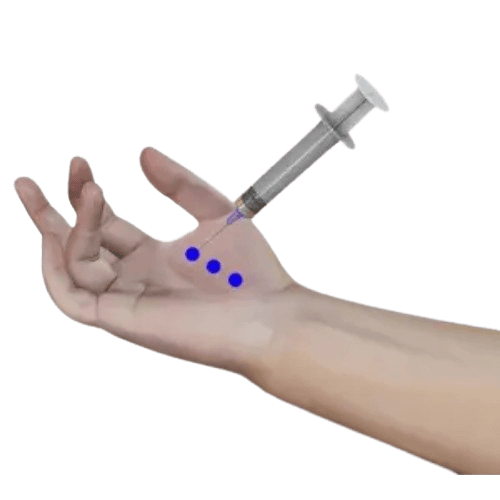
- Minimally invasive options:: Botulinum toxin injections help relax specific muscles.
- Surgical procedures like selective dorsal rhizotomy may be used for severe spasticity.
Recovery, Risks And Prognosis
Recovery focuses on rehabilitation and long-term functional improvement.
Risks include muscle weakness or recurrence if not consistently managed.
With regular therapy and follow-up, most children achieve better posture, movement, and comfort.
Why Choose Us
CureU Healthcare offers multidisciplinary care combining pediatric neurology, rehabilitation, and orthopedic expertise.
Our child-friendly therapy programs use advanced tone management and customized physical training.
We focus equally on emotional and physical progress for each child.
Conclusion
Spasticity management is a journey requiring teamwork between families and specialists.
With early intervention and continued care, children can regain mobility and confidence.


