Overview
Ambiguous genitalia surgery is performed to correct or reconstruct the external genital organs in children born with differences in sex development (DSD).
The goal is to achieve natural appearance, proper urinary function, and alignment with the child’s gender identity.
Each case is unique and guided by a multidisciplinary team that includes pediatric endocrinologists, urologists, and counselors, ensuring both medical and emotional well-being.
Overview And Clinical Background
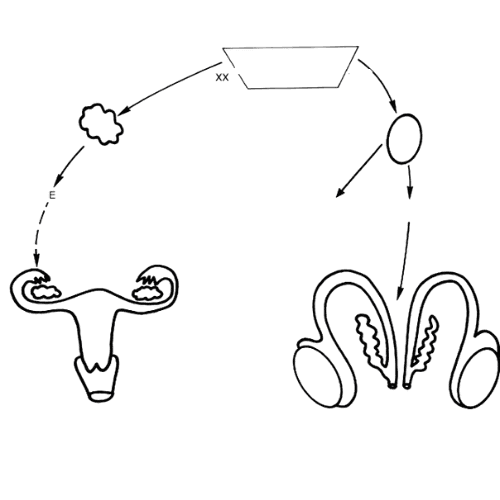
Understanding Differences In Sex Development
Ambiguous genitalia occurs when a newborn’s external genital structures do not appear clearly male or female.
It can be caused by chromosomal, hormonal, or enzyme-related factors affecting fetal development.
Surgery is only one part of holistic management, which includes medical evaluation and psychological support for the family.
- Chromosomal variations:: Such as XXY or XO patterns may influence genital formation.
- Hormonal imbalance during fetal life can alter typical genital growth.
- Goal of surgery:: Functional, cosmetic, and emotional outcomes are prioritized equally.
Symptoms, Signs And Presentation
Infants may present with genitalia that appear atypical in size or structure.
The urethral opening may be misplaced, or internal reproductive organs may differ from expected anatomy.
Some children may later show hormonal or developmental changes that lead to diagnosis.
- Common sign:: Presence of both male and female-appearing structures.
- Difficulty determining gender at birth.
- Red flag:: Delayed diagnosis without hormonal or chromosomal testing may affect early management.
Diagnosis Methods And Investigations
Genetic, Imaging And Hormonal Studies
A complete diagnostic work-up is essential before planning any surgery.
This includes blood tests, imaging, and chromosomal analysis to identify the type of DSD.
The findings guide individualized treatment and family counseling.
- Imaging:: Ultrasound or MRI helps detect internal reproductive organs.
- Lab tests:: Hormonal studies measure androgen and cortisol levels to determine cause.
- Genetic karyotyping confirms chromosomal makeup and guides management.
Treatment Options And Surgical Techniques
Treatment focuses on aligning anatomy with function and identity.
Some cases require staged surgeries to reconstruct external genitalia, reposition the urethra, or remove nonfunctional tissue.
Surgery is often timed after careful discussions with the family and medical team.
- Conservative:: Observation and hormonal therapy in mild cases.
- Reconstructive surgery:: Performed by pediatric surgeons specializing in genital reconstruction.
- Psychological support continues throughout childhood and adolescence.
Recovery, Risks And Prognosis
Most children recover well after surgery, returning to normal activities within a few weeks.
Risks include infection, scarring, or need for revision as the child grows.
Long-term prognosis is generally positive with proper follow-up and emotional support.
Why Choose Us
CureU Healthcare offers expert pediatric surgeons with specialized experience in DSD management.
We combine precision surgery with compassionate counseling and long-term care to help each child thrive confidently.
Conclusion
Ambiguous genitalia surgery is a step toward functional health and emotional balance.
At CureU Healthcare, every decision is made with care, respect, and science.


