Overview
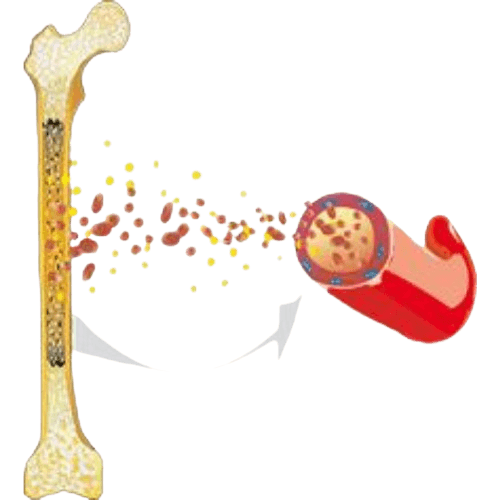
Pediatric Myelodysplastic Syndrome (MDS) is a rare but serious disorder in which a child’s bone marrow doesn’t produce enough healthy blood cells.
The marrow becomes inefficient, leading to anemia, infections, or bleeding.
While uncommon, it can progress to acute myeloid leukemia (AML), making early diagnosis and close follow-up essential.
Treatment depends on severity, genetic factors, and marrow response to therapy.
Overview And Clinical Background
Understanding Bone Marrow Failure
In children, MDS develops when bone marrow stem cells acquire mutations that impair blood formation.
The condition results in immature or abnormal cells crowding out healthy ones.
Pediatric MDS differs from adult forms and often arises due to inherited or acquired genetic syndromes.
- Core issue:: Abnormal bone marrow stem cells produce defective blood cells.
- Can arise spontaneously or from prior chemotherapy or genetic predisposition.
- Key challenge:: Balancing treatment intensity with preserving marrow health.
Symptoms, Signs And Presentation
Symptoms stem from low blood cell counts.
Children may present with fatigue, recurrent infections, or easy bruising.
The slow onset can delay recognition until a detailed blood test is done.
- Common symptom:: Pallor and fatigue due to anemia.
- Frequent infections from low white blood cells.
- Red flag:: Unexpected bleeding or bruises without trauma.
Diagnosis Methods And Investigations
Blood Tests And Bone Marrow Studies
Diagnosis involves blood counts, peripheral smears, and bone marrow aspiration.
Genetic and cytogenetic studies help identify chromosomal abnormalities guiding therapy.
Early specialist input improves outcomes.
- Imaging:: Sometimes used to assess organ involvement or marrow fibrosis.
- Lab tests:: CBC, marrow biopsy, cytogenetics, and flow cytometry.
- Other tests may include genetic sequencing for inherited marrow failure.
Treatment Options And Surgical Techniques
Treatment depends on the MDS subtype and severity.
Supportive care includes transfusions and infection control.
The only curative option is hematopoietic stem cell transplantation.
Some cases may respond to immunosuppressive or targeted therapies.
- Conservative:: Blood transfusions and growth factors to manage symptoms.
- Advanced therapy:: Stem cell transplantation offers the best long-term cure.
- Chemotherapy or targeted drugs used for aggressive cases.
Recovery, Risks And Prognosis
Recovery varies depending on bone marrow response and treatment intensity.
Risks include infection, anemia, and transformation to leukemia.
With timely transplantation and expert care, many children achieve lasting remission.
Why Choose Us
CureU Healthcare offers multidisciplinary pediatric hematology expertise, advanced genetic testing, and marrow transplant capabilities.
Our family-centred care ensures emotional and medical support throughout treatment.
Conclusion
Pediatric MDS is complex but manageable with early diagnosis and specialized care.
With CureU Healthcare, children receive precise, compassionate, and long-term focused treatment.


