Overview
Pediatric inguinal hernia repair is a common surgery that fixes an abnormal opening in the groin where abdominal tissue pushes out.
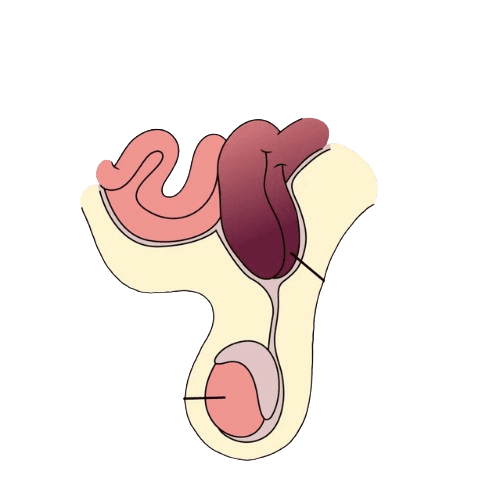
This occurs when the processus vaginalis fails to close after birth.
The surgery prevents complications like pain or strangulation, restoring comfort and normal development.
It’s usually a short, safe procedure performed under anesthesia.
Overview And Clinical Background
Understanding Inguinal Hernias In Children
Inguinal hernias in children develop due to incomplete closure of the inguinal canal during fetal growth.
It’s more common in boys and premature infants.
Early surgical correction prevents organ entrapment or damage.
- Cause:: Failure of natural closure of the groin canal after birth.
- Seen more often on the right side and in premature babies.
- Treatment necessity:: All pediatric hernias need surgery to prevent complications.
Symptoms, Signs And Presentation
Parents may notice a soft bulge in the groin, especially when the child cries or strains.
The bulge may disappear when lying down.
Severe pain or redness suggests strangulation needing emergency care.
- Common symptom:: Visible or palpable groin swelling.
- Discomfort during crying, coughing, or straining.
- Red flag:: Painful, hard, or discolored swelling—seek emergency help.
Diagnosis Methods And Investigations
Physical Examination And Imaging
Diagnosis is often clinical by examining the groin area.
Ultrasound may confirm contents of the hernia sac.
In infants, evaluation ensures both sides are checked for hernias.
- Imaging:: Ultrasound to visualize hernia contents and rule out hydrocele.
- Lab tests:: Pre-surgery blood tests ensure safe anesthesia.
- In some cases, both sides are explored during surgery to prevent recurrence.
Treatment Options And Surgical Techniques
Surgery involves gently pushing back the herniated tissue and closing the opening.
Laparoscopic methods allow smaller incisions and faster recovery.
The procedure is safe with minimal recurrence risk when done early.
- Conservative:: Not recommended; all hernias in children require surgery.
- Minimally invasive options:: Laparoscopic repair with faster healing and tiny scars.
- Open repair remains standard for large or complex hernias.
Recovery, Risks And Prognosis
Children usually recover within a few days.
Pain is mild and managed with medication.
Rare risks include infection or recurrence, but outcomes are excellent in experienced hands.
Why Choose Us
CureU Healthcare’s pediatric surgeons specialize in minimally invasive hernia repairs with child-safe anesthesia and fast recovery.
Families receive full guidance and comfort-focused care from admission to discharge.
Conclusion
Pediatric hernia repair is safe, quick, and restores comfort.
With CureU Healthcare, your child’s surgery is in skilled, caring hands.


