Overview
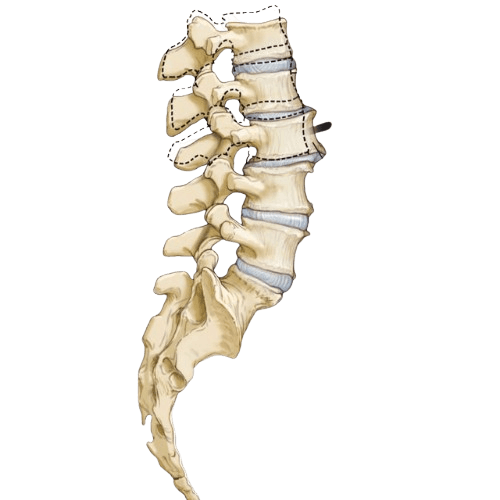
Spondylolisthesis happens when one vertebra slides forward over the one beneath it, affecting spinal stability and nerve function.
In children, it can result from birth defects, sports injury, or stress fractures.
Early detection prevents progression and chronic pain, and treatment depends on the grade of slippage and symptoms.
Overview And Clinical Background
Understanding Vertebral Slippage
Spondylolisthesis can affect the lower spine, leading to back pain, stiffness, or nerve irritation.
It often follows repetitive stress, such as from gymnastics or football.
Severity varies, and mild cases may improve with rest and therapy, while advanced cases need surgical stabilization.
- Common site:: Usually occurs at the lower lumbar spine (L5-S1).
- Progressive cases can lead to nerve compression.
- Focus:: Maintain spinal alignment and prevent permanent nerve damage.
Symptoms, Signs And Presentation
Children may report low back pain that worsens with activity.
There can be stiffness, hamstring tightness, or tingling in legs if nerves are affected.
Some may notice a visible curve or step-off in the lower back.
- Common symptom:: Lower back pain that intensifies with bending or running.
- Reduced flexibility and tight hamstrings.
- Red flag:: Weakness or numbness in legs signals possible nerve compression.
Diagnosis Methods And Investigations
Imaging And Functional Evaluation
Diagnosis is confirmed with spine X-rays showing the slippage level.
MRI or CT scans help assess nerve involvement and fracture lines.
Clinical evaluation measures pain, strength, and flexibility.
- Imaging:: X-ray confirms vertebral alignment; MRI checks nerve pressure.
- Lab tests:: Usually not required unless infection or inflammation is suspected.
- CT scans provide detailed visualization of bone defects.
Treatment Options And Surgical Techniques
Treatment ranges from physical therapy and bracing to surgical fusion.
Conservative care aims to strengthen back muscles and reduce pain.
Surgery is reserved for high-grade or symptomatic cases.
- Conservative:: Activity modification, bracing, and physiotherapy for stability.
- Minimally invasive options:: Endoscopic decompression may relieve nerve pressure.
- Spinal fusion surgery used when slippage exceeds 50% or causes neurological symptoms.
Recovery, Risks And Prognosis
Recovery depends on severity and treatment choice.
Non-surgical cases often recover within months with therapy.
Surgical outcomes are usually excellent with restored spinal balance, though risks include infection or nerve irritation.
Why Choose Us
CureU Healthcare’s pediatric spine specialists use advanced imaging, minimally invasive techniques, and individualized rehabilitation.
We ensure safety, comfort, and long-term spinal stability for every child.
Conclusion
Spondylolisthesis can be well-managed with timely diagnosis and expert care.
Early intervention at CureU Healthcare ensures children stay active and pain-free.


