
Overview
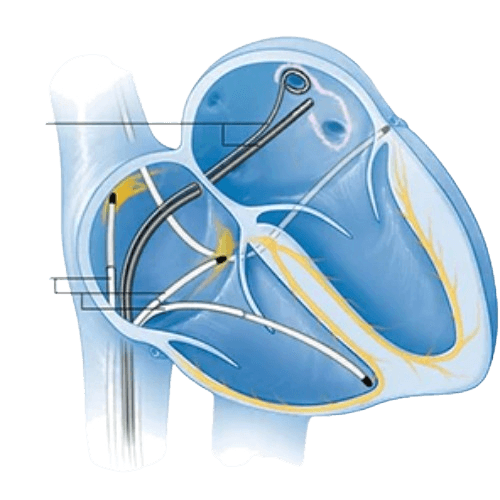
Electrophysiological Study (EPS) helps identify abnormal heart rhythms by testing the heart’s electrical activity directly.
It’s a minimally invasive test used to plan treatments like ablation or pacemaker placement.
Overview And Clinical Background
EPS evaluates electrical conduction within the heart.
It helps pinpoint the source of irregular heartbeats.
- Purpose:: Diagnose and treat arrhythmias accurately.
- Guides pacemaker or ablation procedures.
- Approach:: Performed via catheters inserted into veins.
Symptoms, Signs And Presentation
EPS is advised for patients with recurrent palpitations, dizziness, or unexplained fainting.
- Palpitations:: Irregular or rapid heartbeat.
- Lightheadedness or short spells of unconsciousness.
- Red flag:: Sudden cardiac arrest or severe arrhythmia.
Diagnosis Methods And Investigations
Imaging And Laboratory Tests
EPS directly measures electrical signals inside the heart.
Additional tests like ECG or Holter monitoring often precede it.
- Imaging:: Fluoroscopy guides catheter placement.
- Lab tests:: Routine bloodwork to ensure safety.
- Sometimes combined with ablation for immediate treatment.
Treatment Options And Surgical Techniques
EPS may lead to same-session ablation to treat detected arrhythmias.
The procedure is minimally invasive.
- Conservative:: Medication may control mild rhythm issues.
- Minimally invasive options:: Catheter-based ablation during EPS.
- Pacemaker or ICD if rhythm cannot be stabilized.
Recovery, Risks And Prognosis
Recovery is quick; patients may resume light activity in 1–2 days.
Complications like bleeding or infection are rare.
Why Choose Us
CureU Healthcare’s electrophysiology team uses precision-guided mapping systems for safe and effective arrhythmia management.
Conclusion
EPS provides a clear view of your heart’s electrical system.
It’s a critical step toward lasting rhythm correction and peace of mind.

B.U.M.S, M.D. (NAT) | Reg No. 9153 | Ex. Secretary & Treasurer, N.I.M.A.
Qualified healthcare professional in Unani and Naturopathic medicine with deep expertise in traditional healthcare systems, patient-centered clinical care, and medical content review.