Overview
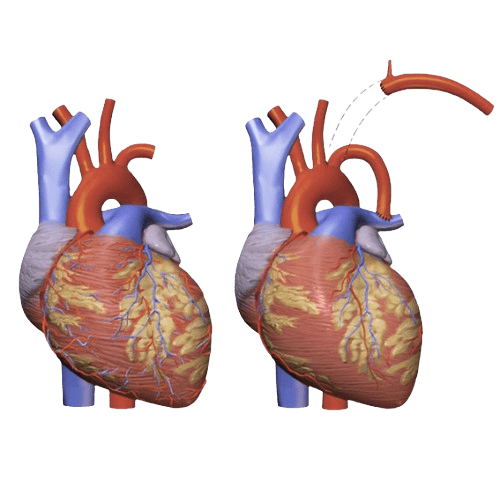
A Blalock-Taussig shunt is performed in infants or children with congenital heart defects to improve oxygenation by connecting a systemic artery to a pulmonary artery.
It serves as a temporary measure before definitive heart repair.
Overview And Clinical Background
This surgery creates a small pathway that increases blood flow to the lungs for oxygenation.
It’s commonly used in cyanotic heart diseases like Tetralogy of Fallot.
- Purpose:: To relieve cyanosis and improve oxygen levels.
- Acts as a bridge until corrective surgery is possible.
- Success rate:: High when performed by pediatric cardiac specialists.
Symptoms, Signs And Presentation
Children needing BT shunt usually have bluish skin due to poor oxygenation.
The surgery alleviates this symptom significantly.
- Cyanosis:: Bluish lips or fingertips due to low oxygen.
- Fatigue or breathlessness during feeding or crying.
- Red flag:: Sudden worsening of cyanosis or unresponsiveness.
Diagnosis Methods And Investigations
Imaging And Laboratory Tests
Echocardiography and cardiac MRI confirm the heart defect.
Angiography may also be used preoperatively.
- Imaging:: Echocardiogram defines anatomy for planning surgery.
- Lab tests:: Routine pre-op bloodwork to assess readiness.
- CT angiography for detailed visualization if required.
Treatment Options And Surgical Techniques
The BT shunt is created surgically under general anesthesia.
The procedure uses synthetic or natural grafts to form a link between arteries.
- Conservative:: Only used temporarily until corrective surgery.
- Minimally invasive options:: Not typically applicable in this pediatric surgery.
- Open surgical shunt placement using a small graft.
Recovery, Risks And Prognosis
Post-surgery, oxygen levels improve immediately.
Risks include shunt blockage or infection, but long-term outcomes are excellent with proper monitoring.
Why Choose Us
CureU Healthcare collaborates with top pediatric cardiac surgeons for precise and compassionate care, ensuring optimal results for young patients.
Conclusion
The Blalock-Taussig shunt remains a cornerstone of pediatric cardiac surgery, bridging the gap to full corrective repair and restoring oxygen balance.

B.U.M.S, M.D. (NAT) | Reg No. 9153 | Ex. Secretary & Treasurer, N.I.M.A.
Qualified healthcare professional in Unani and Naturopathic medicine with deep expertise in traditional healthcare systems, patient-centered clinical care, and medical content review.