Overview
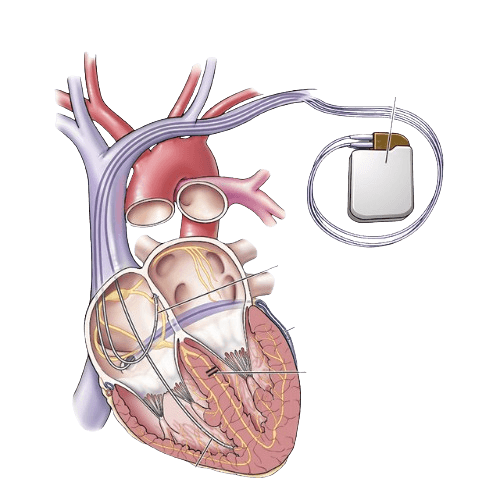
Cardiac Resynchronization Therapy (CRT-D) combines a pacemaker and defibrillator to regulate the heartbeat.
It coordinates the heart’s chambers, improving blood flow and preventing sudden cardiac arrest in patients with advanced heart failure.
Overview And Clinical Background
CRT-D is used in patients with severe heart failure and electrical conduction problems.
It helps the heart pump blood more efficiently.
- Purpose:: To synchronize the contractions of left and right ventricles.
- Improves heart efficiency and reduces symptoms.
- Defibrillation feature:: Automatically corrects dangerous heart rhythms.
Symptoms, Signs And Presentation
Typical patients experience fatigue, shortness of breath, and swelling due to poor cardiac output.
CRT-D implantation offers symptom relief and longer survival.
- Fatigue:: Common due to weak heart pumping.
- Swelling in feet or abdomen.
- Red flag:: Sudden fainting or irregular heartbeat.
Diagnosis Methods And Investigations
Imaging And Laboratory Tests
Evaluation involves imaging and rhythm analysis to confirm eligibility for CRT-D.
- Imaging:: Echocardiogram shows reduced ejection fraction.
- Lab tests:: Assess cardiac biomarkers and electrolytes.
- ECG confirms electrical delay between ventricles.
Treatment Options And Surgical Techniques
CRT-D is implanted under local anesthesia through a minor chest incision.
Leads are placed in heart chambers to regulate electrical activity.
- Conservative:: Medication management if surgery not suitable.
- Minimally invasive options:: CRT-D implantation through a small incision.
- Device fine-tuning post-surgery for optimal pacing.
Recovery, Risks And Prognosis
Most patients recover within days.
Risks include infection or lead dislodgment, but long-term outcomes are excellent with improved heart function.
Why Choose Us
CureU Healthcare provides advanced cardiac rhythm management with expert electrophysiologists and the latest CRT-D devices for precise results.
Conclusion
CRT-D implantation transforms the management of severe heart failure, improving both longevity and quality of life.
It’s a major step toward stable cardiac rhythm and health.

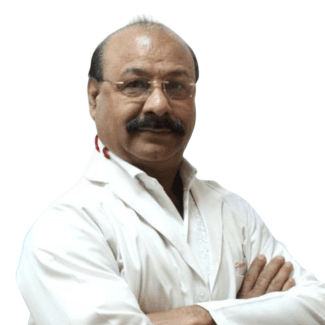
B.U.M.S, M.D. (NAT) | Reg No. 9153 | Ex. Secretary & Treasurer, N.I.M.A.
Qualified healthcare professional in Unani and Naturopathic medicine with deep expertise in traditional healthcare systems, patient-centered clinical care, and medical content review.